Views: 9 Author: Site Editor Publish Time: 2026-04-28 Origin: Site
Every year, countless batches of fresh produce arrive at their destinations bruised, cracked, or completely ruined. This damage during transit is one of the most costly problems in the fresh fruit and vegetable industry. A single damaged shipment easily leads to lost revenue, unhappy buyers, and strained supplier relationships.
To combat this widespread issue, growers, exporters, and distributors are turning to a highly effective solution. Soft foam packaging wraps tightly around individual pieces of produce, shielding them from the physical shocks of the supply chain. This simple yet highly efficient layer of defense ensures delicate items reach the retail shelf in pristine condition.
By investing in high-quality fruit protective packaging, businesses can dramatically reduce product returns and safeguard their bottom line. This guide explores how soft foam nets work, the different types available on the market, and how to choose the right packing material for your specific agricultural needs.
Shipping fragile agricultural goods requires careful planning and the right materials. Premium fruits, delicate glassware, and ceramics easily suffer from bumps and drops along a standard supply chain route. When items bounce against each other inside a cardboard box, the resulting friction creates soft spots, discoloration, and structural damage.
This transit damage ruins the consumer experience. Shoppers naturally bypass bruised apples, mangos, and grapes in favor of unblemished alternatives. Retailers then throw away the damaged stock, creating immense food waste and financial loss. Securing produce with the right packing material stops this cycle of waste before it starts.

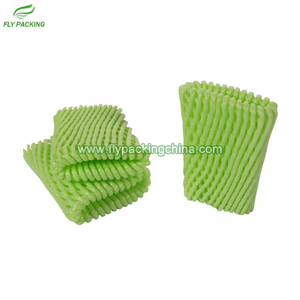
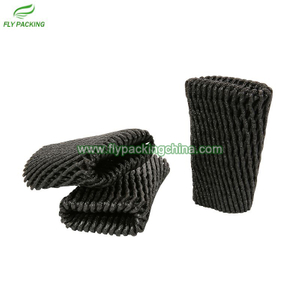
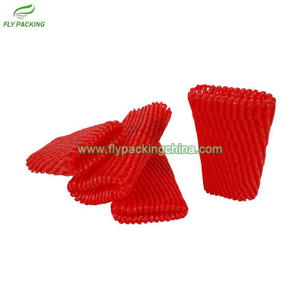
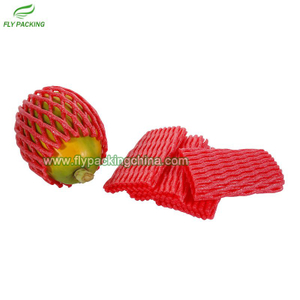
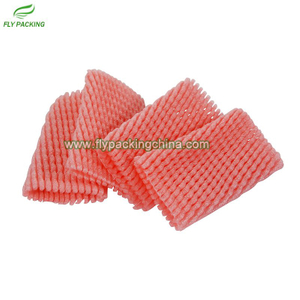
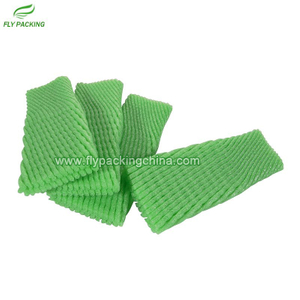
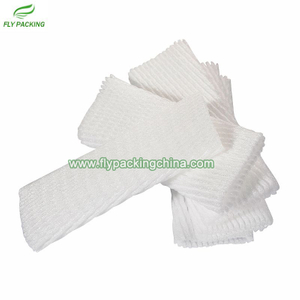
A fruit foam net is a lightweight, expandable sleeve made from soft polyethylene foam. This webbed structure stretches over an item, conforming perfectly to its unique shape and size. The soft, breathable netting acts as a shock absorber. It disperses the force of impacts, preventing the fruit's delicate skin from scraping against hard surfaces or other items in the same crate.
Growers rely on fruit foam netting because it provides excellent cushioning without adding significant weight to the shipment. This means shipping costs remain low while product safety increases. The breathable mesh design also allows for proper air circulation, preventing moisture buildup that could accelerate ripening or cause mold.
Not all produce requires the same level of protection. Some fruits have thick skins that only need minimal shielding, while premium, thin-skinned fruits require maximum security. Manufacturers produce different thicknesses and styles of foam netting to meet these varying demands.
The two most common varieties are single layer and double layer foam nets. Understanding the difference helps you make the most cost-effective decision for your inventory.
Packaging Type | Characteristics | Best Used For |
|---|---|---|
Single Layer Foam Net | Lightweight, highly flexible, cost-effective, standard cushioning. | Apples, pears, guavas, and standard-grade produce. |
Double Layer Foam Net | Thicker padding, robust shock absorption, premium look and feel. | Peaches, mangoes, papayas, melons, and high-end export fruits. |
Foam Net Roll (Uncut) | Continuous roll of netting that can be cut to custom lengths on demand. | Unusually shaped fruits, long vegetables, and glass bottles. |
Implementing high-quality foam packaging transforms how a business handles its logistics. The immediate advantage is a drastic reduction in damaged goods. When less fruit is thrown away, overall profit margins naturally increase.
Aesthetically, a clean white or brightly colored foam net enhances the product's visual appeal. It signals to the buyer that the fruit is a premium product, handled with care. Consumers are often willing to pay a higher price for produce that looks flawless and professionally packaged.
Additionally, foam netting is incredibly easy to apply. Packing facility workers can quickly slide the nets over the fruit, maintaining high operational speed and efficiency. The stretchy nature of the foam means a single size can often fit multiple types of fruit, streamlining the inventory you need to keep on hand.
Securing a steady supply of fruit protective packaging requires partnering with a dependable manufacturer. You need a supplier that offers high-quality materials at a reasonable price, with quick and stable delivery times.
Fly Packing Co., Limited operates as a professional leader in China for producing foam nets, foam cushions, and backer rods. Since 2002, they have provided top-tier packing materials for agriculture, specializing in fresh fruits and vegetables. Their product line includes both single layer and double layer foam nets, ensuring growers have the exact protection required for their specific crops.
With wealthy professional export experience, Fly Packing Co., Limited even utilizes special packing methods to fit more quantity into a shipping container, helping clients save on freight costs.
Protecting your agricultural investments is non-negotiable if you want to maintain a profitable enterprise. Soft foam fruit protection nets offer a lightweight, cost-effective, and highly reliable way to prevent transit damage. By matching the right type of netting to your specific produce, you can eliminate waste and present a premium product to your buyers.
Take the necessary steps to upgrade your packing process and protect your bottom line. To explore a wide range of fruit foam netting options and request free samples, visit www.flypackingchina.com and discover how professional packaging can transform your distribution network.

| | 1/F, NO.81, CHANGZHEN ROAD, SHUIKOU TOWN, KAIPING CITY, GUANGDONG, CHINA |
| | +86-0-136 3183 6942 / +86-0-134 2677 9895 +86-750-2280358 |
| |