Views: 14 Author: Site Editor Publish Time: 2024-09-18 Origin: Site
Imagine reaching for a fresh, juicy apple and finding it bruise-free and perfect. This simple pleasure is often made possible by something you might not even notice—fruit protective packaging. In the world of agricultural logistics, where the safe transport and storage of delicate fruits are paramount, specialized packaging plays an unsung hero's role. This blog post unravels the world of fruit protective packaging, with a spotlight on foam fruit nets and foam fruit protection sleeves. Whether you're a farmer, retailer, or just a curious consumer, understanding how these protective solutions work can make you appreciate the pristine produce you enjoy every day.
In the hustle and bustle of global trade, ensuring fruits reach consumers in perfect condition is a challenging task. Fruit protective packaging is not just about aesthetics; it's about maintaining the quality and safety of the produce. Without proper packaging, fruits are vulnerable to bruising, bacteria, and premature spoilage. The right packaging extends shelf life, reduces waste, and enhances the overall quality of the fruits offered to consumers.
The impact of effective packaging is far-reaching. Not only does it protect the fruit during transportation, but it also preserves freshness on the display shelves of supermarkets. It keeps fruits from bumping against each other, which prevents bruising—a significant factor in retaining the fruit’s marketability. Knowing that your fruit is well-protected can bring peace of mind to both sellers and buyers.
Investing in quality protective packaging can also have economic benefits. By reducing waste, companies can save significant amounts on lost produce. This, in turn, can lower costs for consumers, making high-quality fruits more accessible. Ultimately, protective packaging is a win-win for everyone involved in the supply chain.
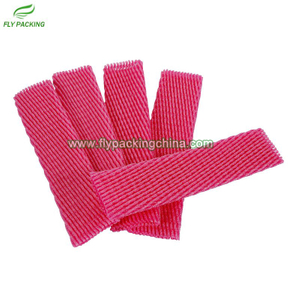
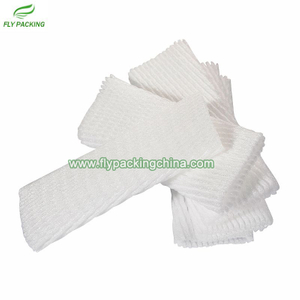
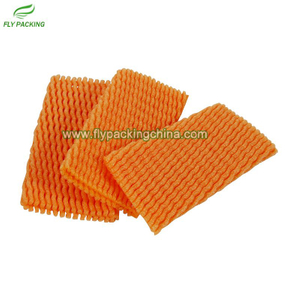
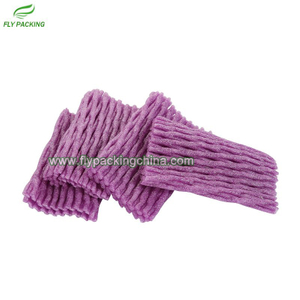
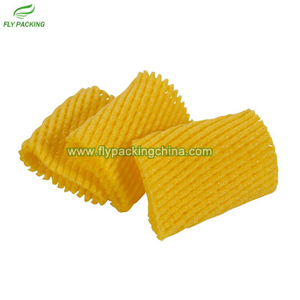
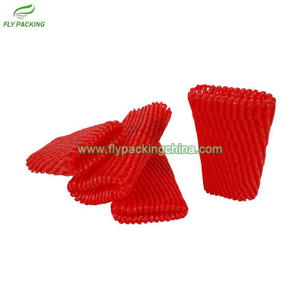
Foam fruit nets are a fascinating innovation in the world of fruit packaging. These nets are made from expandable polyethylene foam and are designed to envelop each individual fruit. Their stretchy and flexible nature allows them to accommodate different sizes and shapes of fruits, from apples to mangoes. The foam provides a cushioning effect, absorbing shocks and preventing damage during transit.
These nets are lightweight, which means they add minimal weight to the packaged fruit, saving on transportation costs. They are also highly breathable, allowing air circulation around the fruit. This feature is crucial in preventing moisture buildup, which can lead to mold and spoilage. The durability of the foam net ensures that it maintains its protective qualities over time.
Using foam fruit nets also demonstrates a commitment to quality and detail. When consumers see fruits neatly nestled in these nets, they instantly perceive them as premium products that have been handled with care. This visual appeal can influence purchasing decisions and enhance customer satisfaction.
The fruit packaging foam net is a versatile tool in the fruit logistics industry. It is not just about protection; it is about enhancing the presentation of the fruit. Foam nets come in various colors and can be customized to suit specific branding needs. This customization aspect can play an essential role in differentiating a brand’s products from its competitors.
Beyond aesthetics, fruit packaging foam nets are environmentally friendly. Many manufacturers offer biodegradable options, aligning with the growing demand for sustainable packaging solutions. By choosing eco-friendly foam nets, businesses can reduce their carbon footprint and appeal to environmentally conscious consumers.
The flexibility of foam nets allows them to cater to a wide range of fruits beyond the usual suspects. They can be used for exotic fruits like dragon fruit and papayas, which require delicate handling due to their unique shapes. This versatility makes foam nets a staple in markets worldwide.

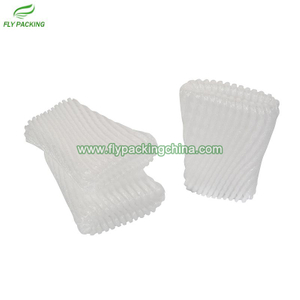
Foam fruit protection sleeves take the concept of packaging one step further. These sleeves provide an extra layer of protection by encasing the entire fruit. They are particularly popular for fruits that are more prone to damage, such as peaches and avocados. The sleeve acts like a second skin, safeguarding the fruit from external factors.
Using foam fruit protection sleeves is a testament to the importance of maintaining quality from farm to table. These sleeves are designed to fit snugly around the fruit, providing a barrier against mechanical damage and pressure. This snug fit is crucial in ensuring that the fruit retains its shape and does not become deformed.
In addition to protection, these sleeves also help in maintaining the optimal temperature for the fruit. By insulating the fruit, the sleeves can help in retaining the natural moisture content, keeping the fruit juicy and flavorful for longer periods. This is especially beneficial for exporters dealing with long transit times.
Foam-based packaging offers numerous advantages that go beyond simple protection. Firstly, it is cost-effective. The lightweight nature of foam reduces shipping costs, allowing businesses to allocate resources more efficiently. Secondly, foam is versatile and can be molded to fit various fruit types, ensuring a snug fit and maximum protection.
Another significant advantage is the recyclability of foam packaging. Many modern foam products are designed with sustainability in mind and can be reused or recycled. This aspect of foam packaging is a selling point for eco-conscious consumers and businesses looking to reduce their environmental impact.
Finally, foam packaging enhances the overall consumer experience. The visual appeal of fruits carefully wrapped in foam nets or sleeves can enhance their perceived value, leading to increased customer satisfaction and loyalty. It also protects the fruit's aesthetic appearance, which is a crucial factor for consumers when selecting fruits.
Many businesses have successfully integrated foam packaging into their operations, reaping significant benefits. For instance, agricultural cooperatives have reported reduced fruit loss during transit and storage through the use of foam nets and sleeves. These improvements translate to higher profits and customer satisfaction.
In the export market, foam packaging has helped businesses maintain the quality of their produce over long distances. This capability opens up new opportunities in international markets, allowing businesses to expand their reach and grow their customer base.
Despite its benefits, foam packaging is not without its challenges. Some consumers express concerns about the environmental impact of foam materials. However, manufacturers are addressing these issues by developing biodegradable and recyclable foam options, aligning with global sustainability goals.
Concerns about foam packaging's durability have also been raised. While foam is generally robust, handling it properly is essential to maximize its lifespan. Training staff on best practices for using foam packaging can mitigate these issues and ensure optimal performance.
Finally, businesses often worry about the costs associated with foam packaging. While it may require an upfront investment, the long-term savings from reduced waste and spoilage can outweigh the initial expenses. By conducting a thorough cost-benefit analysis, businesses can make informed decisions about adopting foam packaging.
Foam fruit nets and protection sleeves stand as silent guardians in the world of fruit logistics, ensuring that the produce reaching your hands is as perfect as when it was picked. By understanding the nuances of fruit protective packaging, businesses can make informed choices that benefit their operations, customers, and the environment. The next time you enjoy a perfect piece of fruit, take a moment to appreciate the thoughtful packaging that made it possible. Consider exploring foam packaging solutions for your business and join the movement toward more efficient and sustainable practices.

| | 1/F, NO.81, CHANGZHEN ROAD, SHUIKOU TOWN, KAIPING CITY, GUANGDONG, CHINA |
| | +86-0-136 3183 6942 / +86-0-134 2677 9895 +86-750-2280358 |
| |