Views: 8 Author: Site Editor Publish Time: 2025-04-24 Origin: Site
Foam backer rods are more than just a construction staple; they are an integral component in sealing joints, building insulation, and industrial applications. If you've ever been curious about how gaps in walls or concrete joints are securely sealed, foam backer rods are often the unsung heroes behind those seamless finishes.
This blog will provide an in-depth guide to foam backer rods, their benefits, and their versatile applications. Whether you're in construction, agriculture, or simply embarking on a DIY project, this guide will explain all you need to know about foam backer rods and how to choose the best ones for your specific needs.
A foam backer rod is a flexible, solid cylindrical foam material used as a gap filler in construction projects. It is typically inserted into joints or gaps before applying sealants, caulking, or other filling materials. The primary role of a foam backer rod is to provide a consistent depth for sealant applications while reducing the amount of sealant required.
Available in various diameters, this versatile material comes in two main types:
1. Open-cell foam backer rod - Porous and breathable, ideal for applications requiring air flow.
2. Closed-cell foam backer rod - Dense and water-resistant, perfect for outdoor or wet environments.
Among these, the solid foam backer rod is widely trusted for providing excellent durability, great insulation, and superior versatility.
Foam backer rods aren’t just filler materials; they are essential for enhancing the quality of construction projects. Below are their key benefits:
Foam backer rods are lightweight, flexible, and easy to manipulate, simplifying installation. Their solid construction ensures a firm placement inside joints or gaps, allowing for consistent sealant application.
By serving as a space filler, foam backer rods reduce the volume of sealant required. This not only lowers material costs but also ensures uniform seal quality.
Solid foam backer rods are highly durable, resisting wear, tear, and external conditions like water and extreme weather. Their solid construction makes them reliable across various building and industrial applications.
By creating a proper bond between materials like concrete, wood, or brick, foam backer rods prevent moisture intrusion, improve insulation, and protect against cracks or gaps forming over time.

From construction to agriculture, foam backer rods serve multiple purposes. Here's how they're commonly used:
Solid foam backer rods are indispensable in construction for sealing expansion joints, window frames, and roofing gaps. They help ensure uniform application of sealants, resulting in long-lasting seals that are resistant to leaks and cracks.
Foam backer rods are widely used in concrete joints to fill large gaps before applying sealant. Their flexible and dense properties ensure a tight seal, preventing moisture and debris infiltration.
Foam backer rods also act as insulating materials. They contribute to maintaining energy efficiency by improving temperature control in homes and buildings.
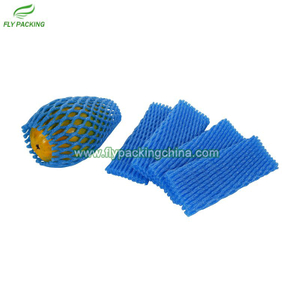
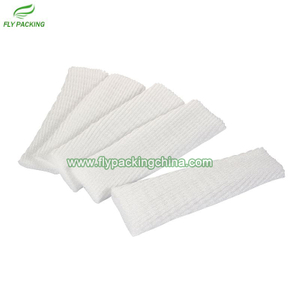
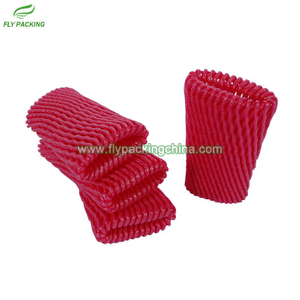
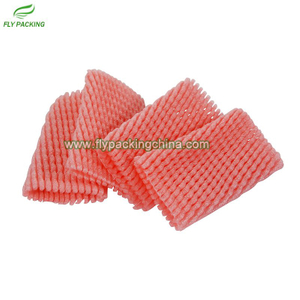
Here’s a lesser-known fact: foam backer rods also find applications beyond construction. For example, professionals like Fly Packing, manufacturers specializing in packing material for agriculture, use solid foam backer rods to pack fresh produce such as fruits and vegetables. The soft yet durable nature of backer rods ensures produce stays cushioned and intact during transportation.
When selecting foam backer rods for your projects, solid foam backer rods offer unparalleled advantages. Here’s why they are worth considering:
1. Improved Moisture Resistance - Solid foam rods are closed-cell in structure, making them water-resistant and ideal for outdoor use.
2. Superior Strength - With a denser composition, they handle more pressure and maintain their shape better than open-cell variations.
3. Versatility Across Industries - Whether you need a reliable material for sealing, insulating, or packing, the solid foam backer rod adapts flawlessly to meet your requirements.
Selecting the right foam backer rod involves a few essential considerations. Keep these factors in mind while deciding:
1. Diameter
Measure the joint or gap width to ensure the rod fits snugly without bending or collapsing. Foam backer rods come in various sizes, catering to both small and large gaps.
1. Material Type
Closed-cell solid foam backer rods are better suited for outdoor jobs or when moisture resistance is crucial, while open-cell rods work well indoors where breathability is required.
1. Application Requirements
Evaluate your project’s specific needs. Are you sealing concrete? Insulating a window frame? Or perhaps using it in agricultural packing like Fly Packing does? Pick a rod with the properties most suitable for your task.
1. Durability
Choose solid foam backer rods for projects requiring high durability and longevity. Their dense build ensures stability, even in the most challenging conditions.
Proper installation guarantees optimal performance of your foam backer rod. Here’s a quick guide to installing them correctly:
1. Clean the area to remove any dirt or debris.
2. Use a suitable size foam backer rod that fits snugly into the joint without being forced.
3. Insert the rod carefully, ensuring it’s firmly seated within the gap. A blunt tool can be used to gently press it into place.
4. Apply sealant over the rod, making sure it bonds with the edges of the joint.
Whether you're sealing joints in a building project, insulating your home, or protecting fresh fruits during transport, installing foam backer rods correctly ensures durability and maximum adhesion of sealants.
Foam backer rods may not always be the most visible component in construction or agriculture, but their impact is undeniable. From enhancing sealant performance in joints to providing cushioning in agricultural packing, these rods offer unmatched functionality and versatility.
For projects requiring long-term reliability, investing in solid foam backer rods is a wise choice. Whether you’re a DIY enthusiast or an industry professional, their ease of installation and cost-effectiveness make them indispensable.
Need help choosing the right backer rods for your project? Connect with manufacturers like Fly Packing, or consult with experts in sealing and insulation to ensure you select the ideal product for your needs.

| | 1/F, NO.81, CHANGZHEN ROAD, SHUIKOU TOWN, KAIPING CITY, GUANGDONG, CHINA |
| | +86-0-136 3183 6942 / +86-0-134 2677 9895 +86-750-2280358 |
| |