Views: 7 Author: Site Editor Publish Time: 2025-05-14 Origin: Site
Foam packaging has revolutionized the way products are preserved and transported. Among its many forms, the single layer foam net stands out as a reliable, versatile, and eco-friendly solution for protecting delicate items. Whether you're packaging delicate fruits or fragile glassware, foam nets offer tailored protection for a wide range of products.
This guide dives deep into the world of foam nets, focusing on single layer foam nets, one-side tapered foam nets, two-sided tapered foam nets, and their uses in industries like Fly Packing.
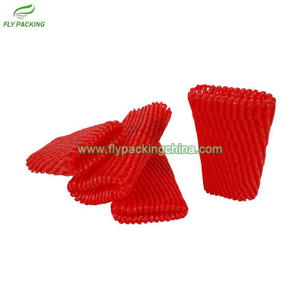
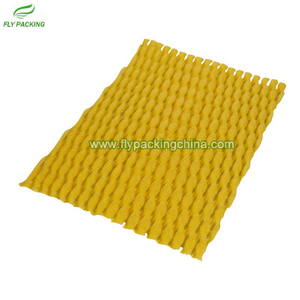
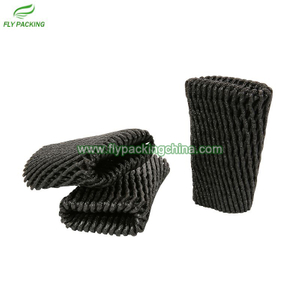
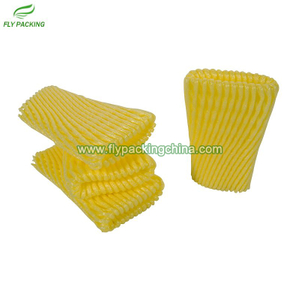
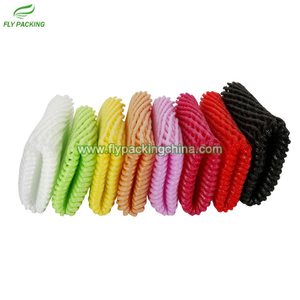
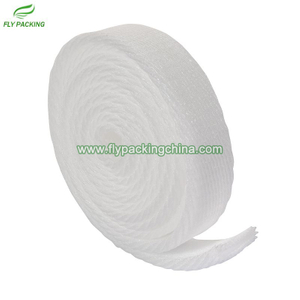
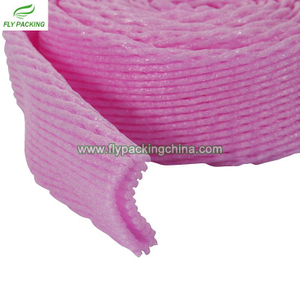
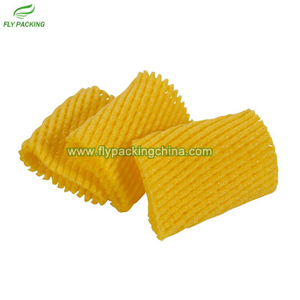
A single layer foam net is a lightweight, stretchable, and durable packaging material made from polyethylene (PE) foam. Known for its flexibility and cushioning properties, it is perfect for protecting items from scratches, dents, and impact during transportation. The foam’s porous design allows adequate ventilation while securely fitting over irregular shapes.
Single layer foam nets are widely used in industries where product protection is paramount. Some common applications include:
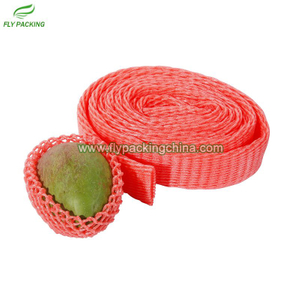
· Fruit Packaging: Citrus fruits like oranges and limes, as well as delicate produce like apples and pears, are often wrapped individually in single layer foam nets to prevent bruising.
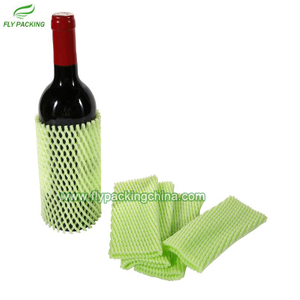
· Glassware and Ceramics: Foam nets provide an added layer of protection for fragile items such as bottles, glasses, and ceramic mugs.
· Electronics: For high-value electronics or sensitive devices, foam nets shield surfaces from scratches and minor impacts.
· Fly Packing: Compact and efficient, single layer foam nets help simplify Fly Packing for industries requiring high-volume protective packaging.
The popularity of single layer foam nets lies in their simplicity and functionality. They are cost-effective solutions that increase product safety with minimal impact on packaging costs.
Another fascinating variation of foam nets is the one-side tapered foam net. These nets feature a tapered edge on one side, which allows for a more snug fit around objects with irregular shapes or pointed ends.
· Enhanced Fit: If the item has an unusual shape, a one-side tapered net adapts easily and holds firmly.
· Minimal Material Usage: By tapering one side, manufacturers can reduce additional material while still offering high-quality protection.
· Improved Aesthetics: Their streamlined design contributes to a professional and cohesive finish, perfect for retail packaging.
These nets are especially useful for packaging products such as bottles with narrow necks, ornamental items, or produce like bananas and eggplants. The snug fit ensures everything remains secure even during movement or transportation.
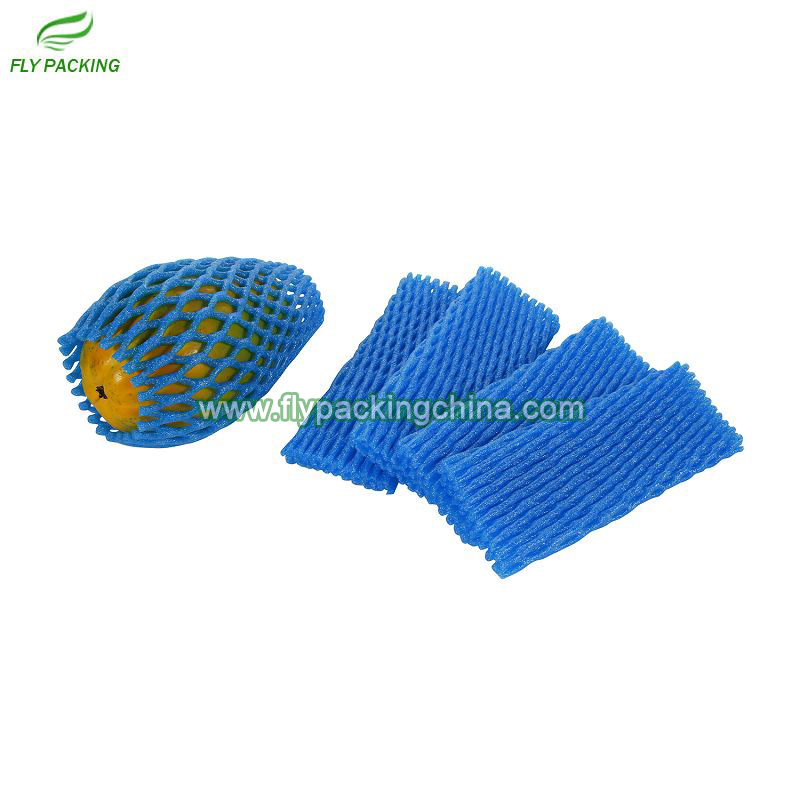
For even more customization, two-sided tapered foam net offer another level of functional design. These nets are tapered on both ends, providing a perfect solution for packaging items that require extra grip or precision in fit.
· 360° Coverage: With tapering on both sides, these foam nets offer complete coverage ideal for cylindrical and slightly irregularly shaped objects.
· Improved Handling Stability: The dual tapering ensures the foam grip does not slide off easily, making it perfect for logistics and storage.
· Adaptive Versatility: Ideal for both high-volume packaging and boutique applications, these foam nets can wrap luxury items, gift bottles, or delicate collectibles with equal efficiency.
Two-sided tapered foam nets play a valuable role in Fly Packing, as they ensure that all packaged items maintain structural integrity through various points in the transport chain. From wine bottles to intricate decorative products, these foam nets provide unbeatable protection.
Fly Packing, a packaging approach that emphasizes lightweight materials and efficiency, increasingly involves the use of foam nets. The reasons are clear:
· Weight Reduction: Foam nets are ultralight yet highly durable, minimizing shipping costs without compromising on protection.
· Environmental Considerations: Single layer foam nets and their variations can often be recycled, aligning with eco-conscious packaging philosophies.
· Cost Efficiency: Minimal material usage combined with ease of application makes them an ideal choice for high-volume Fly Packing.
Fly Packing relies on solutions like single layer foam nets to create secure, space-efficient packages that require less secondary packaging, boosting shipping efficiency by a significant margin.
Choosing between single layer, one-side tapered, and two-sided tapered foam nets depends largely on your packaging needs. Here’s a quick breakdown to help guide your decision:
· Single Layer Foam Net
o Best for general-purpose packaging.
o Ideal for fruits, glassware, and light impact protection.
· One-Side Tapered Foam Net
o Suitable for irregularly shaped items.
o Perfect for products like bottles with necks, ornamental shapes, or delicate tools.
· Two-Sided Tapered Foam Net
o Provides precision protection for cylindrical or symmetrical items.
o Great for luxury products, wine bottles, and objects requiring enhanced grip.
Whatever your specific requirements, evaluating the weight, shape, and fragility of your products will help you select the foam net that ensures the best protection.
When it comes to packaging, foam nets deliver three critical advantages:
1. Versatility
Foam nets adapt to various shapes and sizes, making them useful across multiple industries.
1. Economical Solution
Their lightweight design helps reduce shipping costs while enhancing product safety.
1. Eco-Friendly Potential
Many foam nets are recyclable, contributing to more sustainable packaging practices.
With these benefits, it’s no wonder more businesses are turning to solutions like single layer foam nets to streamline operations and improve packaging outcomes.
Single layer foam nets, along with tapered variations like one-side and two-sided designs, provide versatile and efficient packaging solutions across industries. From ensuring delicate fruits arrive bruise-free to protecting fragile glass or ceramics during Fly Packing, foam nets are a vital part of modern packaging innovations.
Looking for the perfect packaging material to enhance your business efficiency? Explore the diverse options foam nets offer and take your Fly Packing strategy to the next level.

| | 1/F, NO.81, CHANGZHEN ROAD, SHUIKOU TOWN, KAIPING CITY, GUANGDONG, CHINA |
| | +86-0-136 3183 6942 / +86-0-134 2677 9895 +86-750-2280358 |
| |