Every year, agricultural businesses lose massive amounts of revenue due to damaged fresh produce. Fruits easily suffer from bumps, bruises, and cracks during transit. This transit damage represents a severe drain on profits for growers, distributors, and retailers alike. A single ruined shipment eas
Every year, countless shipments of fragile items arrive at their destinations shattered or badly damaged. For businesses selling wine, beer, or delicate glass bottles, transit damage represents a massive drain on profits. A single broken bottle can ruin an entire case, leading to lost revenue, repla
Every year, countless batches of fresh produce and delicate glass bottles arrive at their destinations bruised, cracked, or completely ruined. This transit damage represents a massive drain on profits for agricultural businesses and manufacturers alike. A single damaged shipment can easily lead to l
Packaging fragile items requires the right materials to prevent damage during transit. Fruits, glass bottles, and delicate ceramics easily suffer from bumps and drops along the supply chain. Finding a lightweight yet highly effective protective layer can save businesses significant money on returns
Every year, countless batches of fresh produce arrive at their destinations bruised, cracked, or completely ruined. This damage during transit is one of the most costly problems in the fresh fruit and vegetable industry. A single damaged shipment easily leads to lost revenue, unhappy buyers, and str
Finding the right packaging for fragile items is a constant challenge for businesses across agricultural and manufacturing sectors. You need materials that prevent bruising, scratching, and breakage during transit. Standard packaging often falls short when handling premium fruits, delicate glassware
Shipping fragile items requires careful planning and the right materials. Every year, countless glass products and fresh agricultural goods arrive at their destinations bruised, cracked, or completely broken. This transit damage costs businesses money and ruins the customer experience. Fortunately,
Fruit damage during transit is one of the most costly problems in the fresh produce industry. A single bruised batch can mean lost revenue, unhappy buyers, and damaged supplier relationships. That's why more growers, exporters, and distributors are turning to fruit foam net packaging—a simple yet hi
Views: 82 Author: Site Editor Publish Time: 2022-01-28 Origin: Site
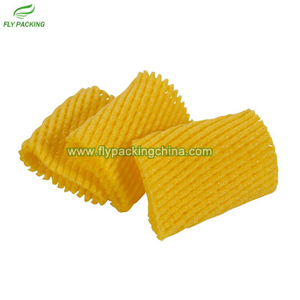
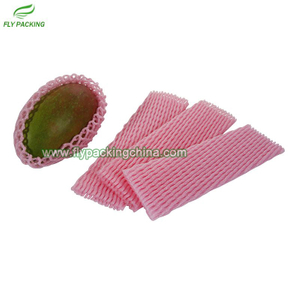
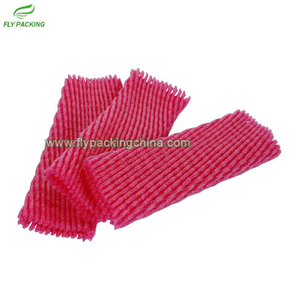
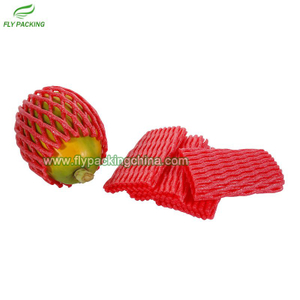
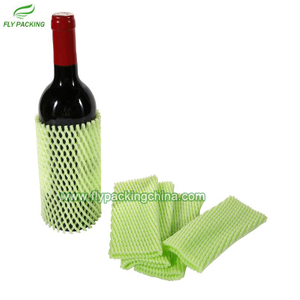
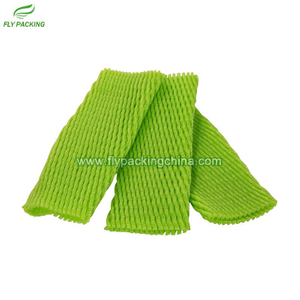
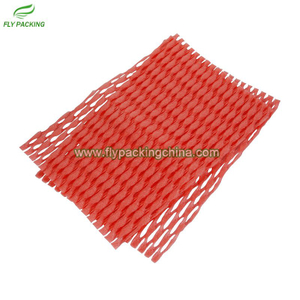
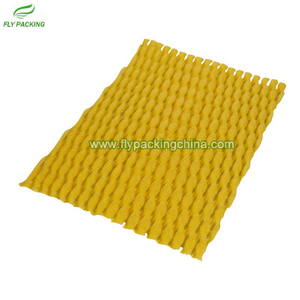
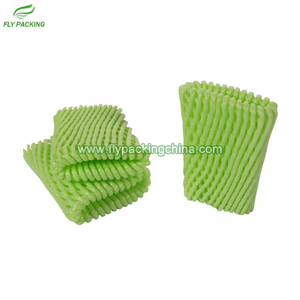
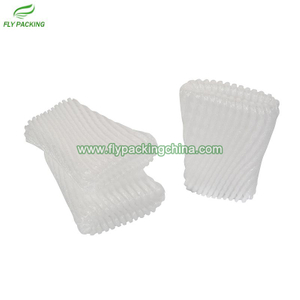
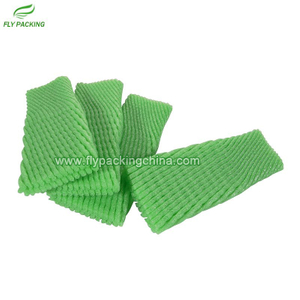
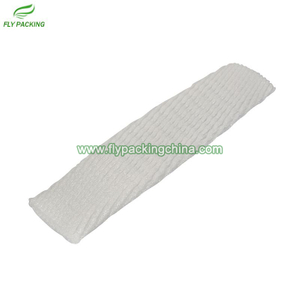
For packaging fruit and other delicate produce, foam netting is the perfect solution. Its unique design, filled with polyethylene foam, provides protection to the products during shipping. Moreover, this type of net is available in a variety of sizes to fit a range of commonly used can sizes. Additionally, it is possible to purchase specific varieties of netting for specific types of produce. Here are some of the benefits of foam sock:
PE foam netting is an ideal material for protecting produce during transport because of its high stretchability. This type of netting can fit around virtually any cylindrical product and is flexible enough to be cut to fit any size. This foam encases the fruit and ensures that it doesn't get damaged during transit. It is also very convenient to use. If you're transporting a lot of fruit, this material is a must.
EPS or Expanded Polyethylene (EPS) is a type of structural material that allows the Ethylene gas to escape. Using this netting can prevent your fruits from becoming overripe and mouldy, while minimizing transport layer pressure. The foam encloses the fruit in a way that prolongs the preservation period. The fabric of the nets can be made to fit any shape, length, and thread diameter.
| | 1/F, NO.81, CHANGZHEN ROAD, SHUIKOU TOWN, KAIPING CITY, GUANGDONG, CHINA |
| | +86-0-136 3183 6942 / +86-0-134 2677 9895 +86-750-2280358 |
| |