Views: 10 Author: Site Editor Publish Time: 2024-01-02 Origin: Site
The journey of fresh produce from farm to table involves several crucial steps, with the preservation of quality and freshness being paramount. In this exploration, we delve into the world of fruit foam nets, protective packaging, and sleeves – unsung heroes in the realm of agricultural preservation. From orchards to grocery stores, these innovative solutions play a pivotal role in ensuring that fruits reach consumers in impeccable condition.
Fruit Foam Net: The Gentle Guardian
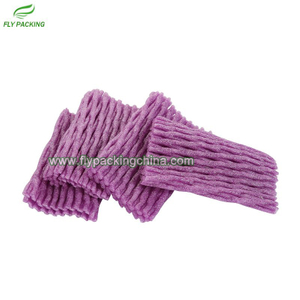
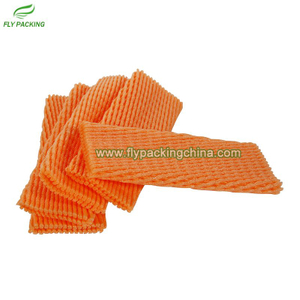
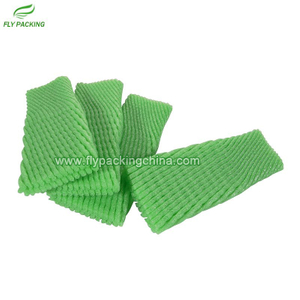
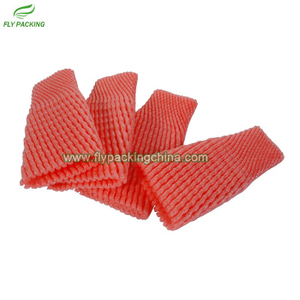
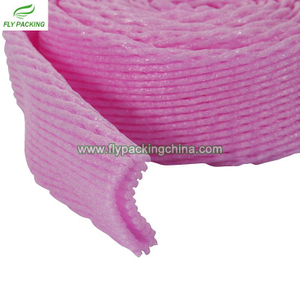
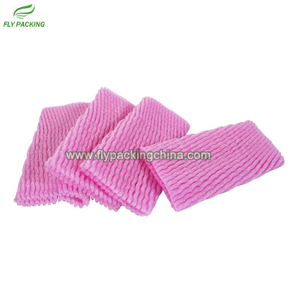
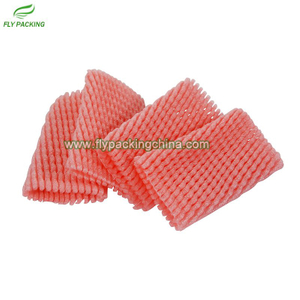
The fruit foam net, a seemingly simple yet effective solution, serves as a cushioning agent for delicate fruits during transit. Typically made from soft, flexible foam materials, these nets cradle individual fruits, creating a protective barrier against external pressures and potential bruising. Their open-cell structure allows for airflow, preventing condensation and mold formation while maintaining optimal freshness.
Key Characteristics of Fruit Foam Nets:
Shock Absorption: The primary function of fruit foam nets is to absorb shocks and impacts during transportation. Fruits, especially those with tender skins, are susceptible to bruising and damage when subjected to rough handling or jostling. The foam net acts as a shock absorber, minimizing the risk of external forces compromising the fruit's quality.
Breathability: Fruit foam nets are designed to be breathable, allowing air circulation around the fruit. This is essential for preventing the buildup of moisture, which can lead to mold and decay. The net's breathable nature contributes to the preservation of the fruit's natural freshness and flavor.
Adaptability: Fruit foam nets are versatile and adaptable to various fruit shapes and sizes. Whether cradling a single apple or encasing a bunch of delicate grapes, these nets can be customized to fit different fruit varieties. This adaptability ensures that each fruit receives personalized protection.
Eco-Friendly Options: In response to environmental concerns, manufacturers are increasingly producing eco-friendly fruit foam nets. These alternatives are biodegradable or made from recyclable materials, aligning with the growing global emphasis on sustainability in packaging solutions.
Protective Packaging: Safeguarding Nature's Bounty
Beyond foam nets, fruit protective packaging plays a crucial role in shielding fruits from external elements that could compromise their quality. This packaging encompasses a range of materials, from corrugated cardboard to environmentally friendly options, all with the shared goal of providing a secure enclosure for fresh produce.
Role of Protective Packaging:
Temperature Regulation: Protective packaging often incorporates insulating materials to regulate temperature. This is particularly crucial for fruits that are sensitive to temperature variations, ensuring they remain within the optimal storage conditions during transportation.
Moisture Control: To prevent excess moisture that can lead to mold and deterioration, protective packaging often includes moisture-resistant barriers. These barriers protect fruits from external humidity and condensation, maintaining their crispness and taste.
Stackability and Stability: Well-designed protective packaging ensures efficient stacking and stability during transit. This minimizes the risk of shifting and movement that could lead to damage or bruising. Sturdy packaging also provides an added layer of protection against external pressure.
Branding and Informational Value: Protective packaging serves as an excellent canvas for branding and conveying essential information to consumers. Labels, barcodes, and product details can be prominently displayed, enhancing the visual appeal and marketability of the fresh produce.

Soft Foam Fruit Protection Net: Embracing Gentle Security
A variant of traditional fruit foam nets, the soft foam fruit protection net takes protection to the next level. Crafted from ultra-soft materials, these nets offer enhanced cushioning, creating a cocoon of gentle security around each fruit. The soft foam adapts to the contours of the fruit, providing a snug fit that minimizes movement during transit.
Advantages of Soft Foam Fruit Protection Nets:
Enhanced Cushioning: The soft foam construction offers superior cushioning, minimizing the risk of bruising and damage. This is particularly beneficial for fragile fruits with thin or sensitive skin.
Conformity to Fruit Shape: Soft foam nets conform to the shape of each individual fruit, creating a custom-fit protective layer. This ensures that the net gently cradles the fruit without exerting excess pressure, maintaining its pristine condition.
Reduced Abrasion: The ultra-soft nature of these nets reduces the likelihood of abrasion or friction between fruits during transit. This is especially crucial for varieties prone to scuffing or marking.
Reusable Options: Some soft foam fruit protection nets are designed to be reusable. This adds an eco-friendly dimension to the packaging, allowing consumers to minimize waste and contribute to sustainable practices.
Fruit Sleeves: A Cloak of Preservation
Fruit sleeves, typically made from breathable mesh materials, act as a final layer of defense against external elements. These sleeves envelop individual fruits or clusters, providing an extra shield that enhances freshness and protects against handling.
Key Features of Fruit Sleeves:
Breathability: Fruit sleeve is designed to be breathable, allowing air circulation to prevent moisture buildup. This ensures that fruits remain dry and free from conditions conducive to mold or decay.
Visibility: The translucent nature of fruit sleeves allows consumers to inspect the quality of the fruit without removing the packaging. This transparency enhances the shopping experience and instills confidence in the freshness of the produce.
Protection from Pests: In addition to safeguarding against physical damage, fruit sleeves provide a barrier against insects and pests. This is particularly relevant for outdoor displays or open market settings.
Convenient Handling: Fruit sleeves are easy to handle, making them a convenient packaging solution for both retailers and consumers. The perforated or drawstring designs allow for effortless removal, promoting a positive and efficient shopping experience.
Nurturing Nature's Harvest with Care
In the intricate dance from orchard to consumer, fruit foam nets, protective packaging, and sleeves emerge as silent custodians of freshness. As the demand for fresh produce continues to rise, the importance of these innovative solutions becomes increasingly evident. Beyond their practical functions, these packaging elements contribute to a positive and visually appealing shopping experience, reinforcing the connection between consumers and the bounty of nature. With sustainable and eco-friendly options gaining prominence, the guardianship of freshness extends beyond the fruit itself to encompass the broader ethos of responsible packaging in the modern agricultural landscape.

| | 1/F, NO.81, CHANGZHEN ROAD, SHUIKOU TOWN, KAIPING CITY, GUANGDONG, CHINA |
| | +86-0-136 3183 6942 / +86-0-134 2677 9895 +86-750-2280358 |
| |