Quick answer: This guide will appear at the end of the article, as requested.Every fruit that leaves an orchard faces a rough road ahead. Trucks hit potholes, pallets get stacked and shifted, and temperature swings stress delicate skins long before a shopper ever picks up that piece of fruit at the
Construction and packaging teams around the world rely on flexible foam rods to fill gaps, control joint depth, and support sealant application. Finding a dependable source for this material can shape the quality of an entire project, from residential window installations to large-scale industrial s
Every piece of fruit that leaves a farm faces a journey it was never built for. Trucks jolt over uneven roads, pallets shift inside shipping containers, and temperature swings stress delicate skins long before a mango or a bottle of wine reaches a store shelf. A single bruise, crack, or scuff can tu
Fresh produce travels a long road before it reaches a grocery shelf or a dinner table. Along the way, bruising, compression, and surface scratches can turn a perfectly ripe piece of fruit into something no shopper wants to pick up. For growers, packers, and exporters, the margin between a saleable c
Fresh produce travels thousands of miles before it reaches a dinner table, and every mile adds risk. A single bruise on a mango or a hairline crack in a wine bottle can turn a profitable shipment into a loss. Packers, exporters, and growers have spent decades looking for materials that absorb shock
Mangoes are among the most bruise-prone fruits moved through global supply chains. Their thin skin and soft flesh mean even a light knock during loading or transport can leave a mark that shows up days later at the retail shelf. For growers and exporters, that kind of damage translates directly into
Bottles break for one simple reason: they move when they shouldn't. A wine bottle knocking against a crate wall, a glass jar rubbing its neighbor, a shipment jostled by hours of highway vibration—these small motions compound into cracks, scratches, and shattered stock by the time a package reaches i
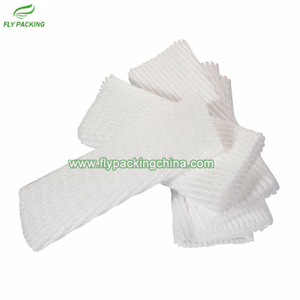
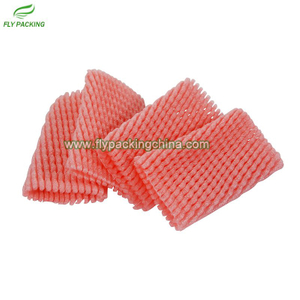
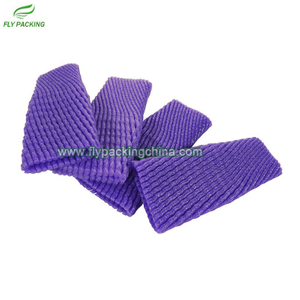
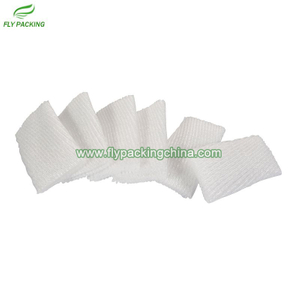
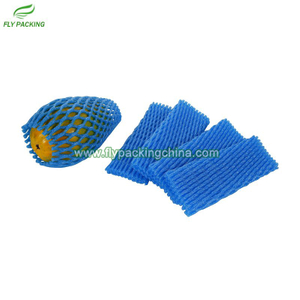
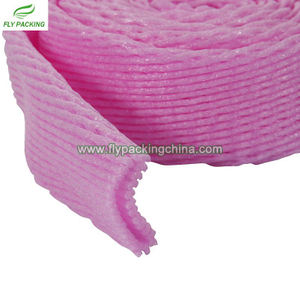
Foam nets protect fresh produce from bruising, scratching, and impact damage during transit. Single-layer options suit lighter fruits, while double-layer designs add extra cushioning for heavier or more delicate produce. Sourcing from a specialized manufacturer ensures consistent quality, reliable s
Views: 76 Author: Site Editor Publish Time: 2021-12-09 Origin: Site
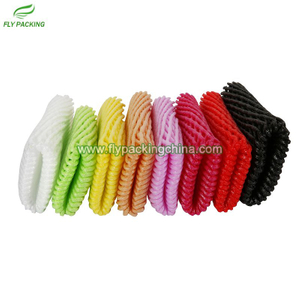
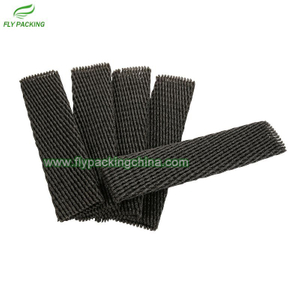
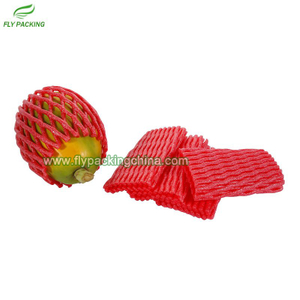
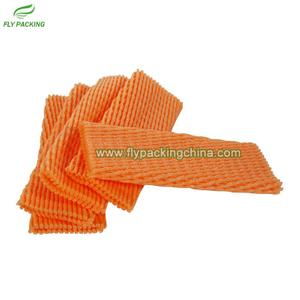
Foam fruit netting is a wonderful way to protect your fruits and vegetables. It provides security for your precious possessions and keeps your car secure while traveling. You can use the netting to keep your pet out of the road and to protect your plants from unwanted bees. These nettings are made with safety in mind. If you have a passion for growing fruits and vegetables, you can get your hands on this fantastic material.
These nettings are made with durable materials and offer the ultimate protection for your products. They come in a variety of colors, styles, and designs to suit your tastes. These nettings can also be easily installed by DIY-ers, as they are made of lightweight plastics. Besides, their flexible and firm nature makes them a cost-effective option for protecting your products. So, get yourself some of this useful packaging material and start using it today.
There are many benefits to foam netting. One of them is its ability to protect your produce during transit. The polyethylene foams in foam netting are non-abrasive and non-corrosive, so they are ideal for packing fruits and vegetables. Various types of nettings are available for different products. Some are specifically designed for mango and potato chips. You can also find specialized nettings to protect your goods during transportation.
| | 1/F, NO.81, CHANGZHEN ROAD, SHUIKOU TOWN, KAIPING CITY, GUANGDONG, CHINA |
| | +86-0-136 3183 6942 / +86-0-134 2677 9895 +86-750-2280358 |
| |