
Bottles break for one simple reason: they move when they shouldn't. A wine bottle knocking against a crate wall, a glass jar rubbing its neighbor, a shipment jostled by hours of highway vibration—these small motions compound into cracks, scratches, and shattered stock by the time a package reaches i

Foam nets protect fresh produce from bruising, scratching, and impact damage during transit. Single-layer options suit lighter fruits, while double-layer designs add extra cushioning for heavier or more delicate produce. Sourcing from a specialized manufacturer ensures consistent quality, reliable s

Long-distance freight puts constant pressure on delicate cargo. Vibration, stacking loads, and shifting weight cause most damage—not dramatic accidents, but slow, grinding contact over hundreds of miles. For growers, packers, and exporters, that damage eats directly into profit margins.Foam mesh sle

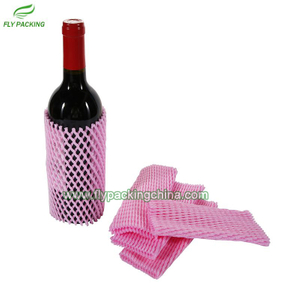
Bottles break for one simple reason: they move when they shouldn't. A wine bottle knocking against a crate wall, a glass jar rubbing its neighbor, a perfume flacon vibrating loose during a long haul—these small motions add up to cracks, scratches, and shattered goods by the time a package arrives.Fo

Post-harvest losses cost farmers billions every year. A bruised mango, a cracked pear, a scratched apple—this kind of damage rarely happens in the field. It happens in transit, during loading, stacking, and the long journey between farm and market. Packaging is where that battle is won or lost.Acros

Fresh produce and fragile goods face constant threats during transit. Vibration, pressure, friction, and shifting loads cause surface damage long before a product reaches its destination. For growers, packers, and exporters, the difference between a profitable shipment and a damaged one often comes

Fresh fruit is fragile. A single crate of mangoes or a pallet of apples can suffer significant surface damage during transit—not from dramatic accidents, but from the slow, grinding pressure of vibration, shifting weight, and poor gap control. Choosing the right cushioning material, sized correctly

Every damaged shipment tells the same story: something moved when it shouldn't have. A glass bottle shifted inside a crate. An apple pressed too hard against another. A ceramic piece absorbed one too many road vibrations. The result is the same—spoiled product, wasted effort, and a customer on the o
Views: 19 Author: Site Editor Publish Time: 2023-12-01 Origin: Site
In the world of packaging materials, innovation is often driven by the need for protection, sustainability, and versatility. Foam nets, particularly foam fruit nets made from polyethylene, have emerged as indispensable players in the packaging realm. This article delves into the diverse applications, eco-friendly features, and protective qualities of foam nets, shedding light on their importance in the world of packaging.
Understanding Foam Nets:
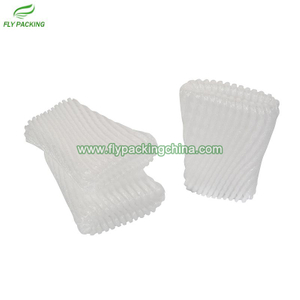
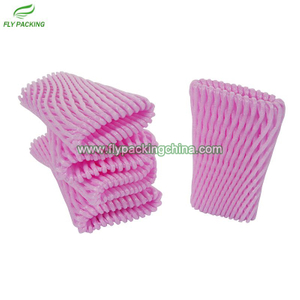
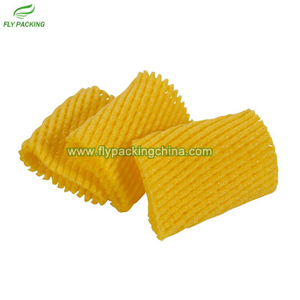
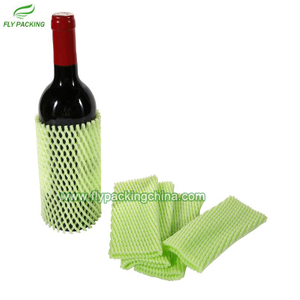
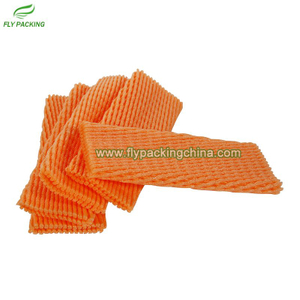
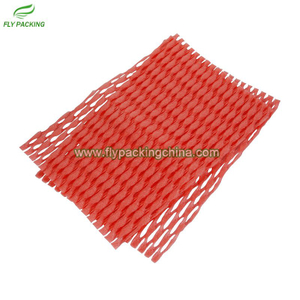
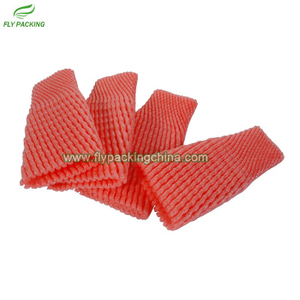
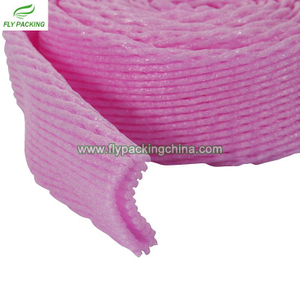
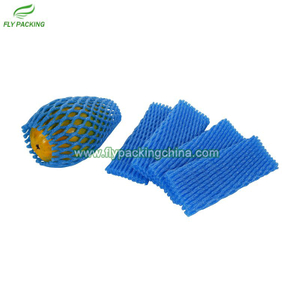
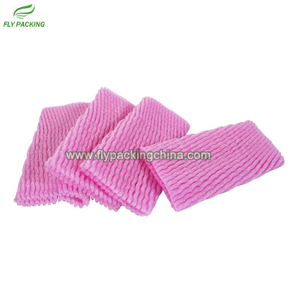
Foam nets, also known as foam sleeves or mesh sleeves, are protective packaging materials designed to cradle and safeguard delicate items during transportation and storage. These nets are typically made from various foam materials, with polyethylene foam being a popular and eco-friendly choice. Foam nets are known for their flexibility, lightweight nature, and ability to conform to the shape of different items, making them ideal for protecting fruits, glassware, electronics, and other delicate products.
Foam Fruit Nets: Preserving Perfection in Produce:
When it comes to protecting fragile fruits during transit, foam fruit net play a crucial role in maintaining the integrity and freshness of the produce. These nets are designed to cradle individual fruits, creating a protective cushion that absorbs shocks and vibrations. The open-cell structure of foam fruit nets allows for proper air circulation, preventing condensation and mold growth while maintaining optimal conditions for the fruits.
Orchards, farms, and suppliers rely on foam fruit nets to ensure that delicate fruits like peaches, plums, and apples reach their destination in pristine condition. The nets not only protect against physical damage but also safeguard fruits from temperature fluctuations and external contaminants.
Polyethylene Foam Nets: A Sustainable Choice:
Polyethylene foam, a type of closed-cell foam, is a key material in the production of foam nets. What sets polyethylene foam apart is its eco-friendly nature and recyclability. Unlike traditional packaging materials that contribute to environmental waste, polyethylene foam is known for being a sustainable option.
Polyethylene foam nets are not only reusable but can also be easily recycled. The closed-cell structure makes them resistant to moisture, mold, and mildew, ensuring that they maintain their protective properties over time. The recyclability of polyethylene foam aligns with the growing demand for sustainable packaging solutions, making it an eco-conscious choice for businesses and consumers alike.
Versatility of Foam Nets:
Foam nets extend their utility far beyond the realm of fruit protection. Their versatility makes them suitable for an array of applications, including the protection of glass bottles, electronic devices, fragile items in transit, and even as protective mesh for plants in nurseries.
In the electronics industry, delicate components and devices are often wrapped in foam nets to shield them from potential damage during shipping. The flexibility of foam nets allows them to conform to the shape of various products, creating a secure cocoon that absorbs shocks and vibrations.
Foam nets also find applications in the horticultural sector, where they are used as protective mesh sleeves for young plants and saplings. This protective layer shields plants from external factors, such as harsh weather conditions and pests, ensuring their healthy growth.
The Protective Properties of Foam Nets:
The primary function of foam net is protection, and their unique design contributes to their effectiveness in safeguarding items. The open-cell or closed-cell foam structure absorbs impact and redistributes force, minimizing the risk of breakage or damage during transit. This protective quality is particularly crucial for delicate items that are prone to breakage, such as glassware and electronics.
Foam nets also offer a cushion against vibration, preventing internal components from shifting or becoming misaligned. This is especially valuable in the transportation of electronic devices and machinery, where even slight movements can have detrimental effects.
Foam nets, with a specific focus on foam fruit nets and polyethylene foam nets, embody the marriage of protection, versatility, and sustainability in the world of packaging. These innovative materials play a crucial role in preserving the integrity of delicate items during transit, ensuring that products reach their destination in optimal condition.
As the demand for eco-friendly packaging solutions continues to rise, polyethylene foam nets stand out as a sustainable choice that aligns with environmental consciousness. From orchards to electronics manufacturers, the diverse applications of foam nets underscore their importance in various industries, providing a protective embrace that goes beyond traditional packaging materials. In the ever-evolving landscape of packaging, foam nets prove that effective protection can coexist with eco-friendly practices, making them an invaluable asset in the quest for sustainable and secure packaging solutions.

| | 1/F, NO.81, CHANGZHEN ROAD, SHUIKOU TOWN, KAIPING CITY, GUANGDONG, CHINA |
| | +86-0-136 3183 6942 / +86-0-134 2677 9895 +86-750-2280358 |
| |