
Every piece of fruit that leaves a farm faces a journey it was never built for. Trucks jolt over uneven roads, pallets shift inside shipping containers, and temperature swings stress delicate skins long before a mango or a bottle of wine reaches a store shelf. A single bruise, crack, or scuff can tu

Fresh produce travels a long road before it reaches a grocery shelf or a dinner table. Along the way, bruising, compression, and surface scratches can turn a perfectly ripe piece of fruit into something no shopper wants to pick up. For growers, packers, and exporters, the margin between a saleable c

Fresh produce travels thousands of miles before it reaches a dinner table, and every mile adds risk. A single bruise on a mango or a hairline crack in a wine bottle can turn a profitable shipment into a loss. Packers, exporters, and growers have spent decades looking for materials that absorb shock

Mangoes are among the most bruise-prone fruits moved through global supply chains. Their thin skin and soft flesh mean even a light knock during loading or transport can leave a mark that shows up days later at the retail shelf. For growers and exporters, that kind of damage translates directly into

Bottles break for one simple reason: they move when they shouldn't. A wine bottle knocking against a crate wall, a glass jar rubbing its neighbor, a shipment jostled by hours of highway vibration—these small motions compound into cracks, scratches, and shattered stock by the time a package reaches i

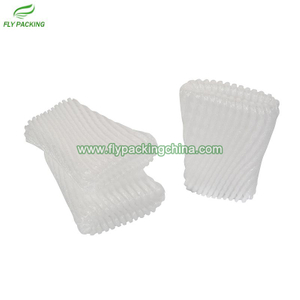
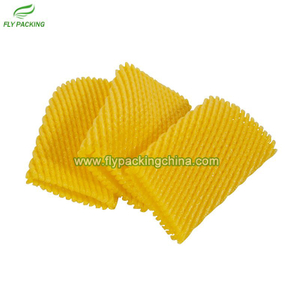
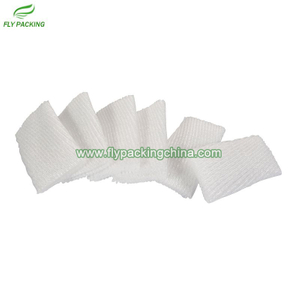
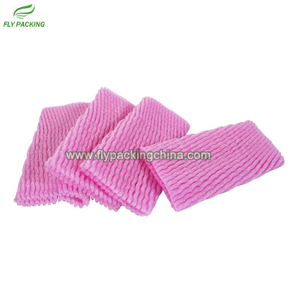
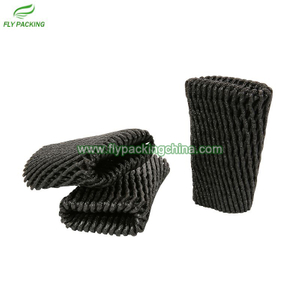
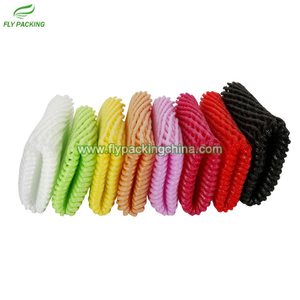
Foam nets protect fresh produce from bruising, scratching, and impact damage during transit. Single-layer options suit lighter fruits, while double-layer designs add extra cushioning for heavier or more delicate produce. Sourcing from a specialized manufacturer ensures consistent quality, reliable s

Long-distance freight puts constant pressure on delicate cargo. Vibration, stacking loads, and shifting weight cause most damage—not dramatic accidents, but slow, grinding contact over hundreds of miles. For growers, packers, and exporters, that damage eats directly into profit margins.Foam mesh sle

Bottles break for one simple reason: they move when they shouldn't. A wine bottle knocking against a crate wall, a glass jar rubbing its neighbor, a perfume flacon vibrating loose during a long haul—these small motions add up to cracks, scratches, and shattered goods by the time a package arrives.Fo
Views: 16 Author: Site Editor Publish Time: 2024-01-18 Origin: Site
In the world of packaging and protective materials, foam nets have emerged as versatile and eco-friendly solutions, with foam fruit nets playing a particularly vital role. This article delves into the characteristics, applications, and sustainable advantages of foam nets, focusing on the use of polyethylene foam—a material that combines functionality with environmental responsibility.
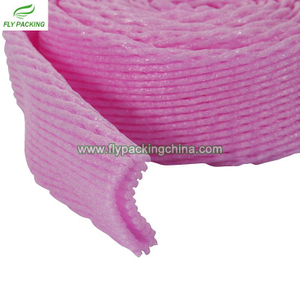
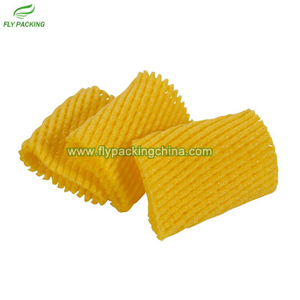
Understanding Foam Nets: Foam nets, commonly made from materials like polyethylene foam, serve as protective casings designed to cradle and safeguard delicate items. These nets are characterized by their cushioning properties, flexibility, and ability to conform to the shape of the packaged object, providing a secure cocoon that minimizes the risk of damage during transport and storage.
Cushioning and Shock Absorption: The primary function of foam net is to offer cushioning and shock absorption. The flexibility of foam allows it to absorb impacts and distribute pressure evenly, preventing bruising or damage to delicate items such as fruits during transit.
Conformity to Shapes: Foam nets excel in their ability to conform to the contours of the objects they encase. This flexibility ensures a snug fit, creating a protective layer that minimizes movement and maintains the integrity of the packaged items.
Lightweight Nature: Foam nets are lightweight, adding minimal weight to the overall packaged product. This characteristic is particularly advantageous in industries where weight considerations impact shipping costs and carbon footprints.
Foam Fruit Nets: Preserving Nature's Bounty In the realm of agriculture and fresh produce, foam fruit nets play a crucial role in preserving the quality of fruits during transportation and distribution. These nets are tailored to the specific needs of various fruits, providing a protective layer that guards against bruising and damage.
Protecting Fragile Skin: Fruits with delicate skins, such as peaches, plums, and kiwis, benefit from the protective embrace of foam fruit nets. The nets act as a buffer, preventing direct contact between the fruit and external surfaces, thus preserving the fragile skin and maintaining the fruit's visual appeal.
Preventing Bruising and Compression: The cushioning properties of foam fruit nets are particularly effective in preventing bruising and compression during transit. By absorbing shocks and distributing pressure, these nets ensure that fruits reach their destination in optimal condition, ready for consumption or display.
Ventilation for Freshness: Polyethylene foam fruit net often feature a perforated design that allows for adequate ventilation. This is crucial for maintaining the freshness of fruits, as ventilation prevents the buildup of moisture and helps regulate temperature during transportation.
Polyethylene Foam: An Eco-Friendly Innovation Polyethylene foam nets , a type of closed-cell foam commonly used in foam nets, is celebrated for its eco-friendly characteristics. This material has become a sustainable choice in packaging due to its recyclability, low environmental impact, and versatility.
Recyclability: Polyethylene foam is fully recyclable, contributing to a circular economy where materials are reused rather than discarded. The recyclability of polyethylene foam aligns with the growing emphasis on sustainable practices and reduced environmental impact in various industries.
Minimal Environmental Footprint: The production of polyethylene foam involves minimal environmental impact. The material is manufactured using a low-energy process, reducing the overall carbon footprint associated with its production compared to other packaging materials.
Versatility and Longevity: Polyethylene foam is known for its durability and longevity. This longevity translates to a reduced need for frequent replacement, further contributing to sustainable practices by minimizing the consumption of resources.
Reduced Waste Generation: The protective nature of polyethylene foam, especially in the context of foam nets, reduces the likelihood of damage to packaged items. This not only minimizes waste but also ensures that products are less likely to be discarded due to transportation-related damage.
Foam nets, particularly those crafted from polyethylene foam, embody a perfect synergy of functionality and sustainability in the realm of packaging. From safeguarding fragile fruits during transit to contributing to eco-friendly practices through recyclability and minimal environmental impact, foam nets play a crucial role in various industries. As we continue to prioritize sustainable solutions in packaging, the versatility and protective qualities of foam nets, especially those made from polyethylene foam, showcase the potential to marry innovation with environmental responsibility. In the cushioned protection they provide, foam nets stand as a testament to the harmony that can be achieved between preserving nature's bounty and adopting eco-friendly packaging practices.

| | 1/F, NO.81, CHANGZHEN ROAD, SHUIKOU TOWN, KAIPING CITY, GUANGDONG, CHINA |
| | +86-0-136 3183 6942 / +86-0-134 2677 9895 +86-750-2280358 |
| |