Views: 445 Author: Site Editor Publish Time: 2022-10-06 Origin: Site
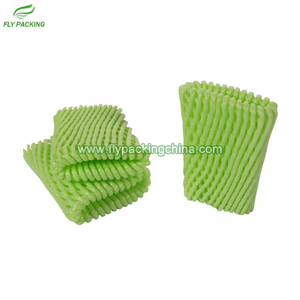
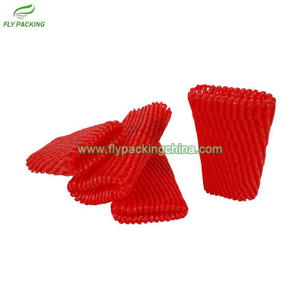
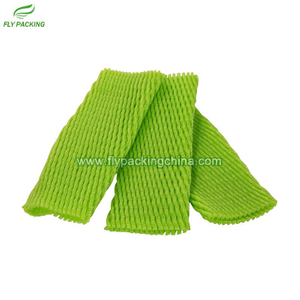
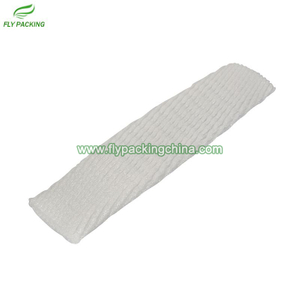
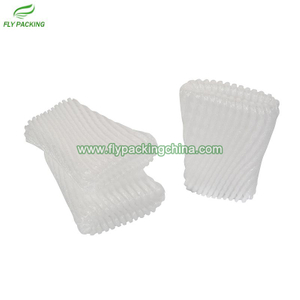
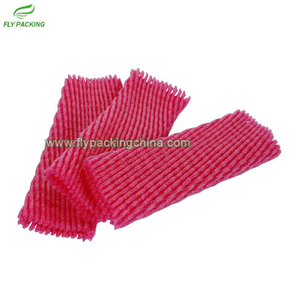
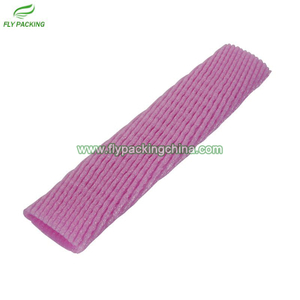
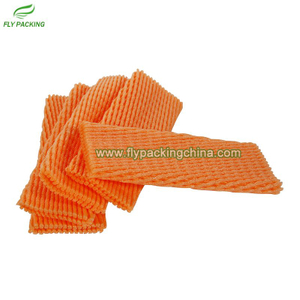
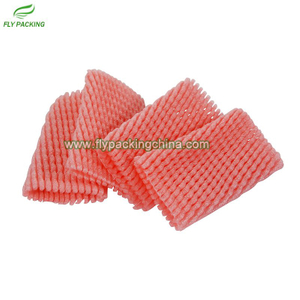
Foam net is a popular and useful packaging material for fruits. It protects fruit during transportation and helps in extending its shelf life. Fruits packed in foam net maintain freshness and taste for a longer time, and it is also an environmentally friendly product. The foam material is non-toxic and biodegradable and does not release toxic gases during transportation. Its properties include high thermal resistance and low toxicity.
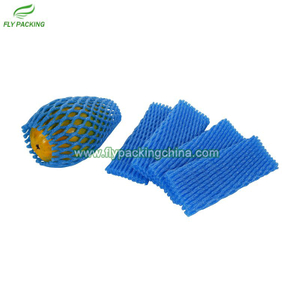
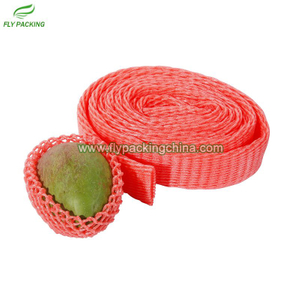
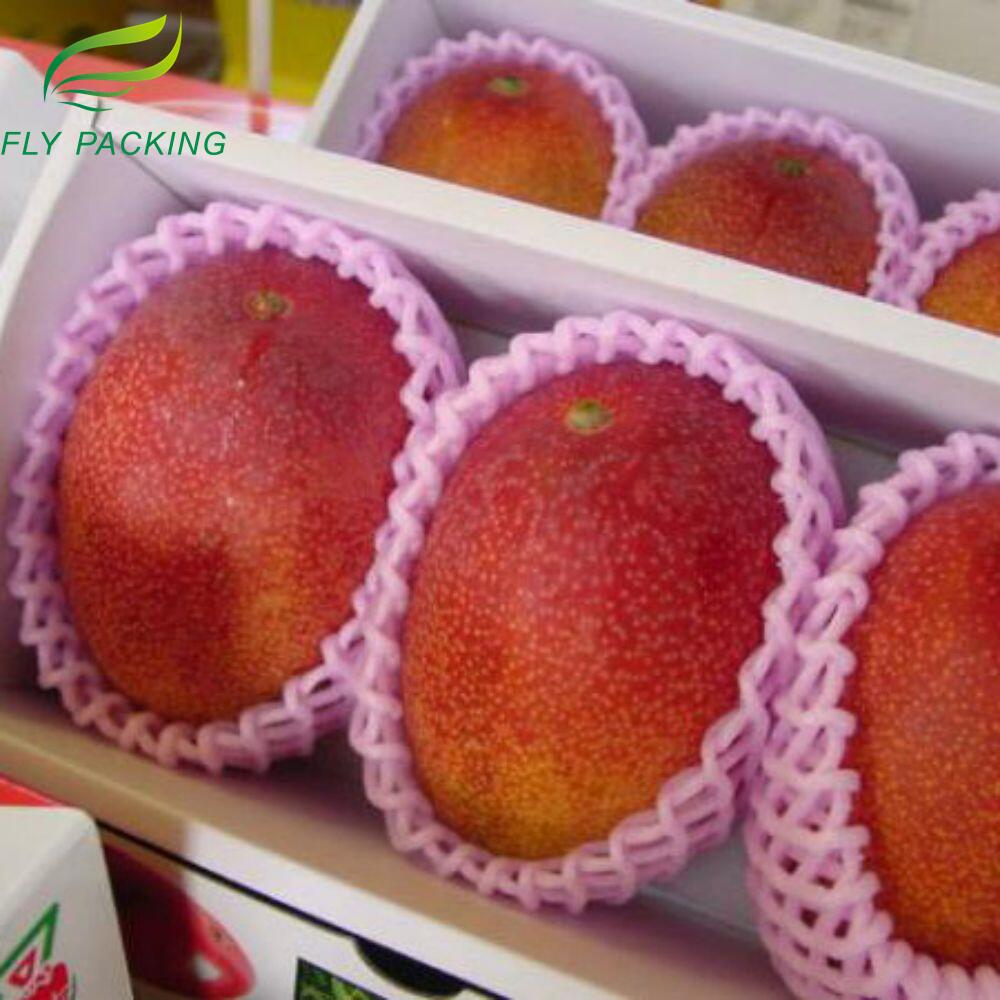
It is also very useful for transporting fresh fruit, especially those grown in hot climates. Mango fruit, for example, can be transported in a foam net to avoid it from becoming spoiled during transportation. Unfortunately, people often mistakenly think that a fruit has contracted pneumonia during transport, and the net prevents this from happening.
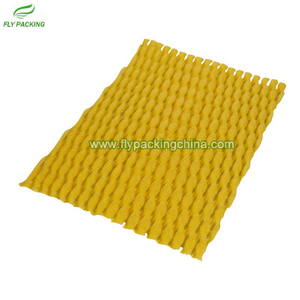
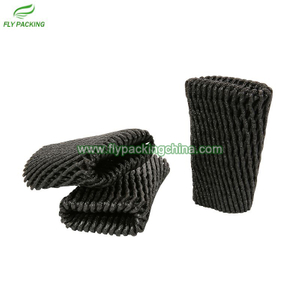
Besides the benefits of foam netting for fruit, other advantages include cost-effectiveness and versatility. It is made of non-crosslinked expanded polyethylene and comes in a variety of sizes and shapes. These products can be customized to meet the needs of a particular product or brand. They are durable, and can also provide an opportunity for an effective marketing campaign and branding.
Foam fruit net is a type of net used for packing fruits. It protects them from damage and ensures their freshness and shelf life. It can be used during the growing season as well as during transit. It is also an excellent choice for supermarket packaging. It can be custom made to any size and shape.
It is made of high-foam polyethylene (EPE) material which is extruded at a high temperature. The mesh sleeve is then produced by adding two auxiliary materials - industrial grade ultra-fine talc powder and a food grade anti-shrinkage agent. In addition to the foam, EPE foam fruit net is recyclable.
The foam netting is widely used for packing fruits and provides excellent protection during transportation. It does not affect the taste or quality of the fruit. While many people may not realize the benefits of foam netting, it is an essential ingredient in packing fruit. That is why most manufacturers provide foam netting with their boxes. However, it's still a good idea to keep a few extras at home.
Foam fruit netting is a modern trend in commercial packaging. Compared to traditional packaging methods, it allows for customized solutions and branding campaigns. Moreover, it allows for a cost-effective distribution network. Whether you want to protect your products from the elements or create a promotional strategy for your company, foam netting is the ideal choice.
Polyethylene foam nets are an efficient and environmentally friendly way to transport and store fresh fruit and vegetables. These nettings are made from non-crosslinked, expandable polyethylene foam and can be purchased in a wide variety of sizes. They protect produce from damage and bruising, and are also biodegradable.
They are ideal for transporting fruits and vegetables because they offer a cushioning effect without adding bulk. They can also be easily fitted around oddly shaped items and prevent damage to delicate surfaces. The thin, flexible material of polyethylene foam nets is also ideal for agricultural use, as it helps to protect fruit and vegetables from bruising and allows air to circulate.
Polyethylene foam nets come in a variety of sizes, from small to large. Large nets are useful for protecting heavy items and can be cut to custom sizes. Because polyethylene foam is so light and durable, it is a great choice for long-haul transportation. Many types of marine and sports equipment make use of polyethylene foam. They are durable and are able to withstand a range of temperature and humidity.
Expanded polyethylene foam is a versatile material that can be melted several times without breaking. Due to its chemical makeup, it is also resistant to strong corrosive chemicals. These properties make EPE foam a great choice for protecting materials from water. The chemical structure of EPE makes it almost impermeable, so water cannot penetrate or pass through it. It is widely used as a protective barrier for materials.

| | 1/F, NO.81, CHANGZHEN ROAD, SHUIKOU TOWN, KAIPING CITY, GUANGDONG, CHINA |
| | +86-0-136 3183 6942 / +86-0-134 2677 9895 +86-750-2280358 |
| |