Views: 1 Author: Site Editor Publish Time: 2026-11-23 Origin: Site
Fresh fruit bruises easily, and the damage usually happens long before it reaches a store shelf. Trucks jolt, crates stack, and temperatures swing during transit, all of which stress the delicate skin of produce like grapes, apples, and mangoes. The right packaging materials absorb that impact, separate individual pieces, and keep moisture and friction from ruining a harvest before it ever gets sold.
This guide looks at the materials growers, packhouses, and exporters rely on to keep fruit intact from farm to market, along with practical guidance on choosing and using them.
Fruit loses value fast once its skin is broken or bruised. Understanding where the damage comes from makes it easier to choose the right protective material for a given supply chain.
Compression damage: Stacked crates put constant pressure on fruit near the bottom of a shipment.
Friction and rubbing: Fruit that shifts during transport can scuff against neighboring pieces or crate walls.
Temperature swings: Condensation from rapid temperature changes can soften skins and encourage mold.
Rough handling: Loading and unloading at ports and packhouses introduces sudden impacts.
Extended transit times: Long-haul shipping, especially by sea, multiplies the chance of damage accumulating over several days.
Packhouses that address these risks early, at the point of harvest, tend to see far less waste by the time produce reaches a distributor or retailer.

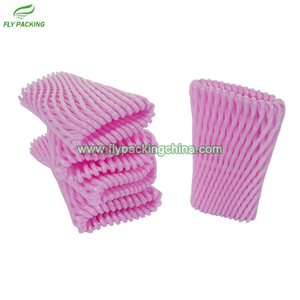
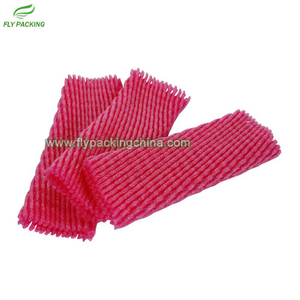
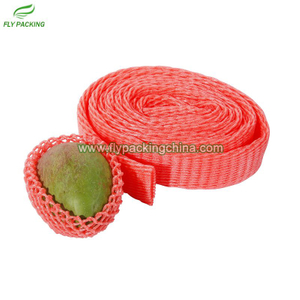
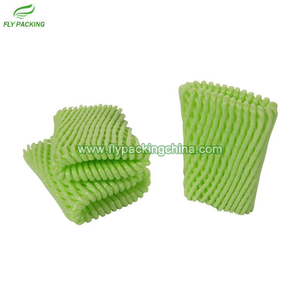
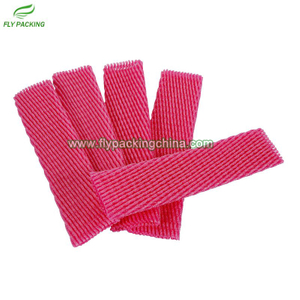
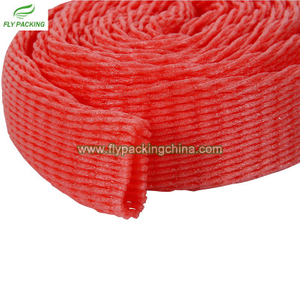
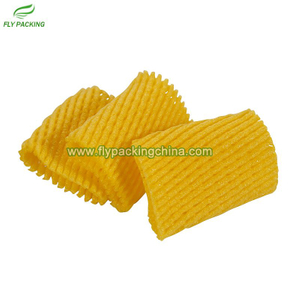
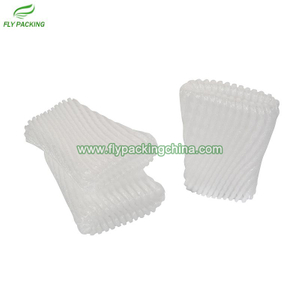
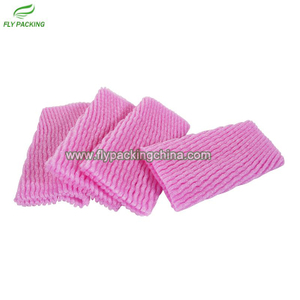
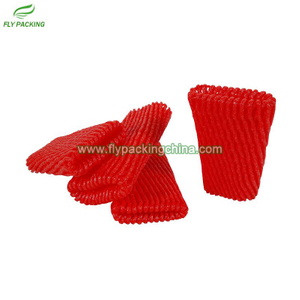
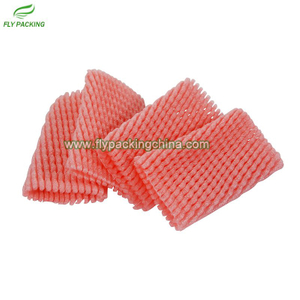
Several packaging formats are used across the fruit export industry, each suited to different fruit types, shipping distances, and handling conditions. A foam fruit net, for example, is often chosen for round fruit that needs individual cushioning, while a paper fruit bag is more common for fruit that needs protection from sunscald or pests while still on the tree.
Packaging Type | Primary Function | Typical Use Case |
|---|---|---|
Foam Net Sleeve | Cushions against impact and friction | Apples, pears, citrus |
Paper Protection Bag | Shields fruit from sun, insects, and disease while growing | Pre-harvest bagging on the tree |
Foam Cushion Sheet | Fills gaps and absorbs shock in crates | Mixed fruit shipments |
Vented Liner Bag | Allows airflow while containing produce | Grapes, berries |
Backer Rod / Foam Pipe | Fills voids in packaging for stability | Box and crate interiors |
Choosing between these formats usually comes down to the fruit's skin thickness, its sensitivity to moisture, and how long it will spend in transit.
Different fruit varieties call for different protective strategies. A single packaging format rarely works across an entire product line, so many exporters combine several materials depending on the stage of the supply chain.
For thin-skinned fruit like grapes: Vented liner bags and nets reduce moisture buildup while still protecting against abrasion.
For round, firm fruit like apples: Foam sleeves or nets absorb shock during stacking and long-distance shipping.
For fruit that needs on-tree protection: Paper bags applied before harvest shield against sun exposure, pests, and disease, which keeps the skin cosmetically clean once picked.
For mixed-fruit export crates: Foam cushion sheets fill empty space so produce doesn't shift during transport.
For high-value tropical fruit: Specialized wrapping, such as mango fruit protection bags, is often used both pre-harvest and during final packing to guard against bruising and surface blemishes.
Exporters working with multiple fruit types typically test a combination of these materials on a small shipment before scaling up, since climate, distance, and handling conditions vary widely between routes.

Packhouses and exporters don't always use off-the-shelf solutions. Many work directly with manufacturers to adjust foam density, bag perforation, or net sizing based on the fruit variety and shipping route. According to industry packaging suppliers, this kind of customization can meaningfully cut down on in-transit losses, particularly for fruit traveling long distances by sea.
A packaging partner with export experience can also advise on how materials behave in humid versus dry climates, which matters for anyone shipping across regions with different storage conditions. Manufacturers such as those listed at www.flypackingchina.com offer a range of foam nets, cushioning sheets, and protective bagging designed specifically for fresh produce logistics, along with guidance on matching materials to particular fruit types.
Packaging waste is a growing concern across the fresh produce industry, and many exporters are shifting toward materials that balance protection with environmental impact. Recyclable foam, biodegradable paper bagging, and reusable crate liners are increasingly common requests from buyers in markets with strict packaging regulations.
That said, protection still comes first. A lighter-weight or more sustainable material that fails to prevent bruising ends up costing more in spoiled fruit than it saves in packaging material. The most effective approach usually pairs sustainable materials with proven protective performance, rather than choosing one over the other.
Q: Can foam netting be reused across multiple shipments?
A: Most foam netting is designed for single use because it compresses and loses its cushioning ability after one cycle of handling and transport.
Q: Does bagging fruit on the tree affect its taste?
A: Pre-harvest bagging primarily protects skin appearance and reduces pest damage; it has minimal effect on internal flavor development.
Q: How long can fruit stay protected in foam packaging during shipping?
A: Properly packed foam materials typically maintain cushioning performance for the duration of standard sea or air freight routes, generally one to four weeks depending on the product.
Q: Is vented packaging necessary for all fruit types?
A: No. Vented packaging matters most for fruit prone to moisture buildup, such as grapes and berries, while firmer fruit like apples can often ship in less ventilated foam sleeves.
Q: What should exporters check before ordering bulk packaging materials?
A: Exporters should confirm the material's compatibility with their specific fruit variety, verify compliance with the destination market's packaging regulations, and request samples to test performance before committing to a full order.
Fresh fruit nets isn't a one-size-fits-all decision. The right combination of cushioning, bagging, and liner materials depends on the fruit variety, shipping distance, and climate conditions along the route. Exporters who match their packaging strategy to these factors, whether that means a simple fruit net for round produce or a paper fruit bag applied before harvest, tend to see far less spoilage by the time their shipments reach buyers. As sustainability requirements tighten across international markets, working with an experienced packaging supplier to balance protection and environmental impact will likely remain one of the most reliable ways to preserve fruit quality from orchard to shelf.

| | 1/F, NO.81, CHANGZHEN ROAD, SHUIKOU TOWN, KAIPING CITY, GUANGDONG, CHINA |
| | +86-0-136 3183 6942 / +86-0-134 2677 9895 +86-750-2280358 |
| |