Views: 1 Author: Site Editor Publish Time: 2026-11-17 Origin: Site
Backer Rod is a flexible foam material used to fill gaps before sealant is applied, and it also plays a role in protective packaging for fragile goods. This dual function makes it a staple in both construction and export packaging industries. Builders rely on it to control joint depth, while packaging teams use similar foam profiles to cushion fruit, glassware, and other delicate items during transit.
Before sealant goes into a gap or joint, installers typically insert a foam rod to control the depth and shape of the sealant bead. Without this step, sealant can sink too deep, waste material, or fail to bond properly. The foam rod acts as a backstop, ensuring the sealant only contacts two surfaces instead of three — a principle known in the industry as the "bond-breaker" effect.
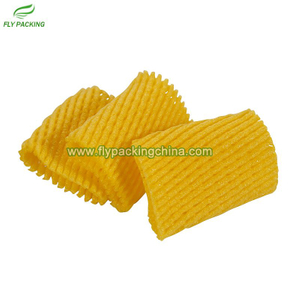
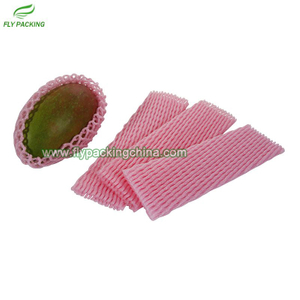
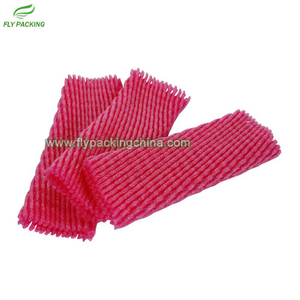
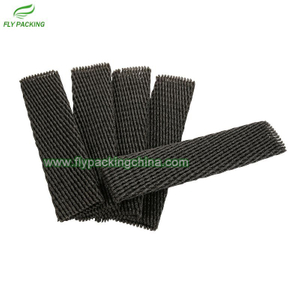
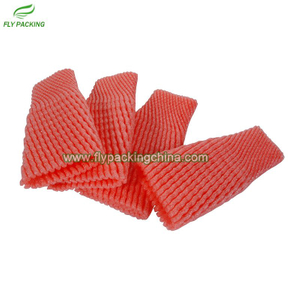
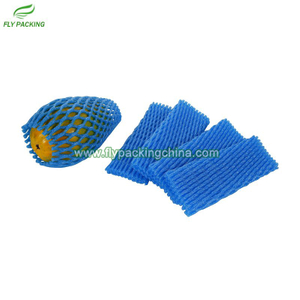
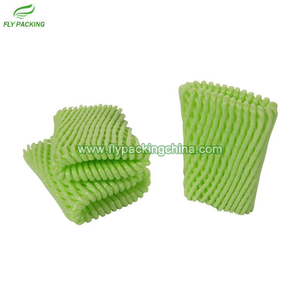
This same cushioning logic extends into fresh produce logistics. Exporters shipping grapes, mangoes, apples, and other delicate fruit often use foam-based materials to absorb shock during long-haul transport. The compressible, lightweight nature of foam rods and related foam products makes them well-suited for both sealing gaps and softening impacts.
A closed cell backer rod features a foam structure where individual cells are sealed off from one another, preventing water and air from passing through the material. This makes it resistant to moisture absorption, which is critical for outdoor construction joints exposed to rain or humidity. Open cell versions, by contrast, allow air and moisture to pass through the material more freely, making them more compressible but less resistant to water intrusion.
For exterior applications such as window frames, expansion joints, and curtain wall systems, the closed-cell structure is generally preferred because it resists water absorption even when submerged or exposed to prolonged moisture. Interior applications with lower moisture exposure can sometimes use open-cell alternatives at a lower cost.

Foam backing rods serve a wide range of purposes beyond traditional construction sealing:
Expansion joints in bridges, parking structures, and pavement
Window and door frame sealing in residential and commercial buildings
Curtain wall systems requiring weatherproof joint control
Cushioning layers in export packaging for fruit, glass, and ceramics
Gap filling in precast concrete panel assembly
Manufacturers producing packaging materials for agriculture often supply overlapping foam product lines, including foam nets, foam sheets, foam cushions, and backing rods, because the raw polyethylene foam base is shared across these items. This cross-industry manufacturing approach allows suppliers to serve both the construction trade and the fresh produce export sector from a single facility.
Selecting the correct diameter is essential for achieving proper compression within a joint. Industry convention recommends choosing a rod diameter roughly 25% to 50% larger than the joint width, which allows for sufficient compression once installed. The table below outlines commonly available diameter ranges and their typical joint-width pairing.
Rod Diameter Range | Typical Joint Width | Common Use Case |
|---|---|---|
6mm – 10mm | 4mm – 8mm | Narrow window and frame joints |
12mm – 20mm | 8mm – 15mm | Standard door and wall joints |
25mm – 35mm | 18mm – 28mm | Expansion joints in pavement |
40mm – 50mm | 30mm – 40mm | Large structural movement joints |
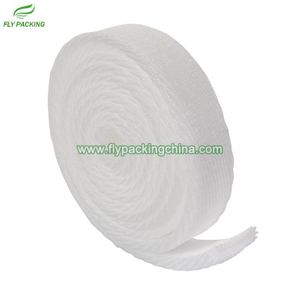
Lengths typically range from one meter coils to continuous rolls of 100 meters or more, depending on packaging preference and shipping volume. Buyers working with export suppliers often request custom roll lengths to match container loading efficiency.
Sourcing from an established Backer Rod Manufacturer reduces the risk of inconsistent cell structure, inaccurate diameter tolerances, or delayed shipments. A manufacturer with export experience typically understands international packaging standards, documentation requirements, and container loading methods that protect the product during long ocean voyages.
Fly Packing Co., Limited, based in Guangdong, China, has operated since 2002 as a producer and exporter of foam-based packing materials for agriculture, including fruit foam nets, foam cushions, foam sheets, and foam rods. The company responds to inquiries within 12 hours, offers door-to-door delivery service, and provides free samples for buyers evaluating material quality before placing a bulk order. Their packing methods are designed to fit more quantity into each container, which helps reduce per-unit shipping costs for international buyers.
When evaluating potential suppliers, buyers should request sample pieces to test compression recovery, check for consistent cell structure across the length of the rod, and confirm whether the manufacturer can accommodate custom diameters or roll lengths for specific project needs.

How long does a foam backing rod last once installed?
A properly installed rod can last for decades when protected by sealant and not exposed to direct UV or chemical degradation, since the sealant layer shields it from most environmental stress.
Can backing rods be used in non-construction packaging?
Yes, the same compressible foam material is frequently repurposed as cushioning in export packaging for fruit, glass bottles, and other fragile goods that require shock absorption during transit.
Does rod diameter affect sealant performance?
Yes, an undersized rod will not compress enough to maintain proper joint shape, while an oversized rod can be difficult to insert and may distort the joint, so matching diameter to joint width is essential.
Are foam rods recyclable after removal from a joint?
Most polyethylene-based foam rods can be recycled through facilities that accept polyethylene foam waste, though acceptance varies by region and local recycling infrastructure.
What is the typical minimum order quantity for export suppliers?
Minimum order quantities vary by manufacturer, but many exporters accommodate smaller trial orders alongside free samples so buyers can test material performance before committing to a larger shipment.
Selecting the right foam rod comes down to matching diameter to joint width, choosing between open and closed cell structures based on moisture exposure, and sourcing from a manufacturer with proven export reliability. Closed cell varieties offer stronger water resistance for exterior joints, while standard rolls can double as cushioning material in fruit and fragile goods packaging. Buyers evaluating suppliers should request samples, confirm sizing tolerances, and check response times and shipping practices before placing a bulk order, since these factors directly affect both installation quality and overall project timelines.

| | 1/F, NO.81, CHANGZHEN ROAD, SHUIKOU TOWN, KAIPING CITY, GUANGDONG, CHINA |
| | +86-0-136 3183 6942 / +86-0-134 2677 9895 +86-750-2280358 |
| |