Views: 8 Author: Site Editor Publish Time: 2026-11-21 Origin: Site
Fresh produce bruises easily, and a single scuff can turn a premium piece of fruit into a reject before it ever reaches a shelf. Foam packaging materials, including netted sleeves and cushioning wraps, absorb impact, reduce friction between pieces of fruit, and keep skins intact from the packhouse through to retail. Growers, packers, and exporters rely on these materials to cut down on losses during handling, stacking, and long-distance shipping.
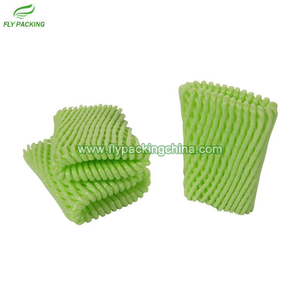
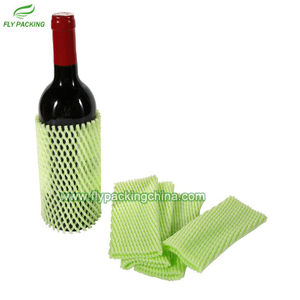
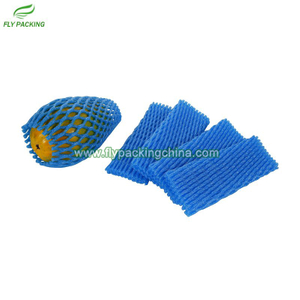
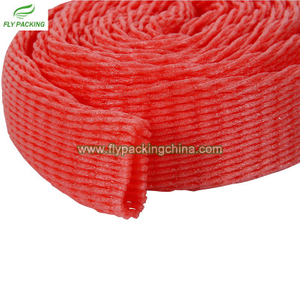
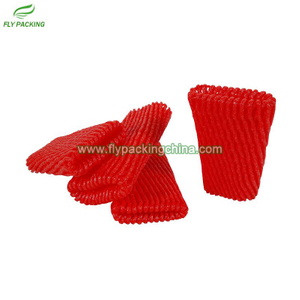
A fruit foam sleeve is designed to wrap individual pieces of fruit so that each item travels with its own cushion of protection. Unlike loose packing fillers, a sleeve stays in place around the fruit, which means it keeps cushioning exactly where bruising is most likely to occur — along the sides, stem ends, and points of contact with neighboring produce.
These sleeves are typically made from expanded polyethylene (EPE) foam, a lightweight material that compresses on impact and springs back to shape. The open-net structure allows air to circulate around the fruit, which helps reduce condensation and slows the buildup of moisture that can accelerate spoilage. This combination of cushioning and ventilation is why foam netting has become a standard choice across fruit export operations, particularly for delicate items like pears, peaches, apples, and citrus.
Manufacturers such as Fly Packing Co., Limited produce these materials in a range of densities, colors, and diameters to match different fruit sizes and shipping conditions. Buyers sourcing from a fruit foam net sleeve supplier typically specify thickness, roll length, and color based on the fruit variety and the distance the shipment needs to travel.

A well-made foam net sleeve offers several advantages that go beyond simple cushioning:
Impact absorption: The netted foam compresses on contact, spreading force across a wider surface rather than concentrating it on one bruise-prone spot.
Ventilation: The open weave structure allows airflow, which helps regulate humidity around the fruit and reduces the risk of mold growth during transit.
Lightweight handling: Because the material is foam-based, it adds minimal weight to a shipment, keeping freight costs manageable.
Color-coded sorting: Many suppliers offer foam netting in multiple colors, which packhouses use to visually separate fruit grades or sizes on the line.
Reusability and recyclability: EPE foam can often be recycled, and in some packing operations, sleeves are reused for lower-value shipments.
Customizable sizing: Rolls can be cut to match specific fruit diameters, from small limes to large grapefruits.
These features combine to reduce the rate of damaged or downgraded fruit by the time a shipment reaches its destination market, which matters directly to a packer's bottom line.
Different foam packaging formats suit different stages of the supply chain. The table below outlines common product types and their typical uses.
Product Type | Typical Use | Key Characteristic |
|---|---|---|
Single layer foam net | Individual fruit wrapping for medium-density protection | Lightweight, cost-efficient for standard shipping |
Double layers foam net | High-value or long-distance shipments | Added thickness for extra cushioning |
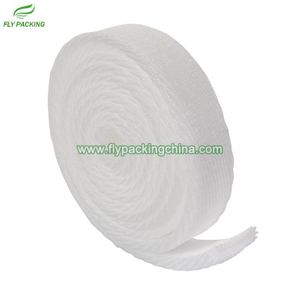
Foam net roll (uncut) | Packhouses that cut sleeves to custom lengths on-site | Flexible sizing for mixed fruit batches |
Foam sheet | Layer separation inside cartons | Flat cushioning between stacked produce |
Foam cushion | Corner and edge protection in cartons or crates | Shock absorption for box handling |
Backer rod | Sealing and gap-filling in packaging and construction | Dual-purpose use beyond fruit packaging |
Each format addresses a specific point of risk in the supply chain, and many packhouses combine several types — for example, pairing a foam mesh sleeve around each fruit with foam cushions at the corners of the shipping carton.

Selecting the correct foam packaging depends on the fruit variety, shipping distance, and handling conditions. Packers should weigh the following factors before placing an order:
Fruit fragility: Softer fruit, like peaches or pears, benefits more from thicker, double-layer protection than hardier fruit like apples or citrus.
Shipping distance: Export shipments crossing oceans face more handling events than domestic truck deliveries, so thicker material is usually worth the small extra cost on long routes.
Climate conditions: Humid climates call for netting with strong ventilation properties to limit mold risk, while drier climates may prioritize cushioning over airflow.
Carton design: The sleeve should match the internal dimensions of the carton so fruit sits snugly without excess movement during transit.
Supplier reliability: Consistent roll thickness and color from batch to batch helps packhouses maintain grading accuracy and avoid line slowdowns.
A single layer foam net works well for shorter domestic routes where fruit experiences limited handling, while a double-layer option suits export shipments that pass through multiple distribution points before reaching the final buyer. Packhouses handling mixed fruit types often keep both formats on hand to match the right protection to the right order.
Foam netting shows up at several points along the path from farm to retail shelf. At the packhouse, workers slip a sleeve over each piece of fruit immediately after sorting and grading. During palletizing, foam sheets and cushions line cartons to prevent shifting. At the retail level, the netting often stays on the fruit until a customer picks it up, offering a visible signal of careful handling that can support perceived quality at point of sale.
Exporters moving fruit across long international routes depend on this layered approach — individual sleeve protection combined with carton-level cushioning — to minimize losses across multiple transfer points, from refrigerated trucks to shipping containers and final-mile delivery vehicles.
Is foam netting safe for food-contact use with fresh fruit?
Yes, foam netting made from food-grade expanded polyethylene is manufactured to be safe for direct contact with fresh produce and is widely used across the fruit export industry.
How long does foam net packaging typically last before it needs replacing?
Most foam netting holds its cushioning properties for a single shipping cycle, though some packhouses reuse sleeves for lower-value or shorter domestic routes if the material remains undamaged.
Can foam net sleeves be recycled after use?
Many expanded polyethylene products are recyclable where local facilities accept foam materials, though recycling availability varies by region and collection program.
What fruit sizes work best with standard foam netting rolls?
Standard rolls are typically cut to match common fruit diameters, ranging from small citrus to large grapefruit or melons, with custom cutting available for unusual sizes.
Does foam packaging affect the shelf life of fresh fruit?
Foam packaging itself does not extend shelf life, but its ventilation properties help reduce moisture buildup, which can indirectly slow spoilage caused by excess humidity.
Choosing the right protective packaging comes down to matching the material to the fruit, the route, and the handling conditions a shipment will face. A fruit foam sleeve offers targeted cushioning for individual pieces, a fruit foam net sleeve adds ventilation that helps manage moisture during transit, and a broader foam mesh sleeve system can be scaled across cartons and pallets to protect an entire shipment from farm to shelf. Packhouses and exporters looking for consistent quality across these formats can review current product options and specifications at www.flypackingchina.com.

| | 1/F, NO.81, CHANGZHEN ROAD, SHUIKOU TOWN, KAIPING CITY, GUANGDONG, CHINA |
| | +86-0-136 3183 6942 / +86-0-134 2677 9895 +86-750-2280358 |
| |