Views: 4 Author: Site Editor Publish Time: 2025-06-05 Origin: Site
When it comes to protecting delicate items during transportation or storage, a foam net is the unsung hero. Known for its unique design and versatility, foam nets are widely used across industries such as produce packaging, glassware protection, and even electronics. Whether you're shipping fragile fruits or fine glass, this lightweight yet resilient packaging solution ensures safety without adding bulk or high costs.
If you've ever wondered why foam nets are a popular choice and how they can make fly packing seamless, this blog will walk you through everything you need to know.
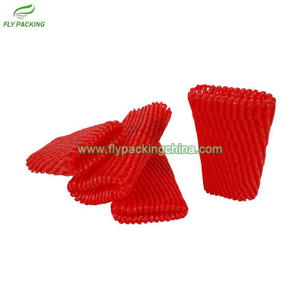
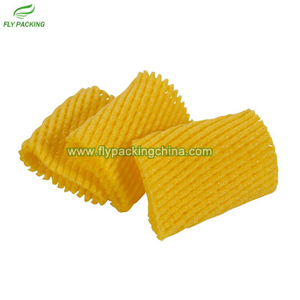
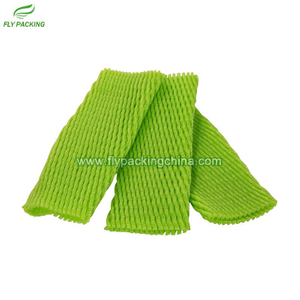
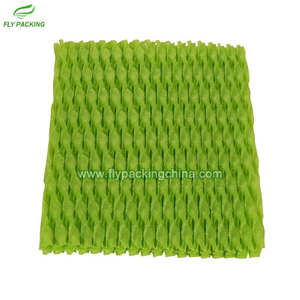
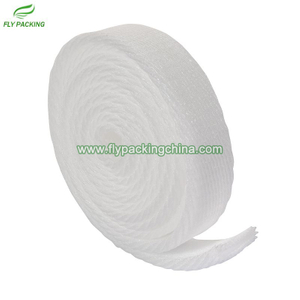
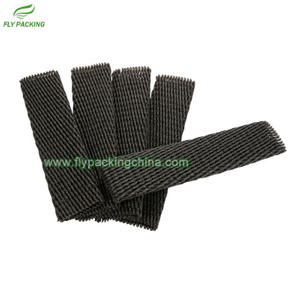
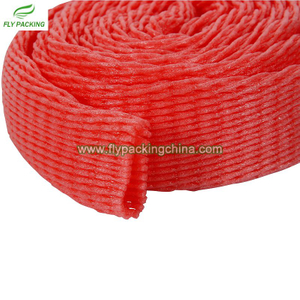
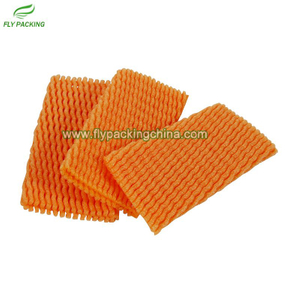
A foam net is a flexible and lightweight protective wrap made from expanded polyethylene (EPE) foam. Its net-like structure cushions delicate items, absorbing shock and preventing damage due to impact, scratches, or compression. Foam nets come in various sizes and are often used to package products such as fruits, glass bottles, ceramics, and more.
Unlike traditional wrapping materials, foam nets stand out for their versatility, reusability, and ease of use. They are particularly favored in fly packing, a term used to describe secure yet lightweight packaging solutions for items that need to be transported long distances, often by air.
Impact Resistance: Foam nets are designed to withstand shocks and vibrations, making them ideal for protecting fragile goods.
Lightweight Design: Their feather-light structure ensures they don't add unnecessary weight to packed items, reducing shipping costs.
Breathability: The net structure allows for airflow, which is particularly useful for perishable items such as produce.
Reusability: Foam nets can often be used repeatedly, making them an eco-friendly alternative to single-use packaging.
Cost-Effectiveness: Compared to other protective packaging materials, foam nets offer excellent value for the price.
Fly packing is all about balancing security with minimal weight to save on shipping costs, especially when goods are transported by air. Foam nets are a game-changer in this aspect. Here’s why:
Efficient Space Usage: Foam nets take up minimal space in packaging, allowing you to accommodate more items in a single shipment.
Enhanced Protection: The shock-absorbent properties of foam nets ensure that even the most fragile items arrive at their destination in pristine condition.
Lightweight Advantage: When shipping by air, every ounce counts. Foam nets add negligible weight, helping you cut down on transportation expenses.
Foam nets are incredibly versatile and cater to a wide range of industries. Their most common applications include:
Foam nets are best known for their role in packaging fruits and vegetables. Delicate produce like apples, pears, tomatoes, and avocados can easily bruise during handling and transport. Foam nets cradle each piece of fruit individually, offering cushioning and preventing direct contact with other items. This not only preserves the item's visual appeal but also extends its shelf life.
For manufacturers and retailers of glass bottles, ceramic dishes, or ornaments, foam nets provide a reliable layer of protection. The net structure wraps securely around the item, reducing the risk of breakage during transportation or storage.
As electronic devices become increasingly compact and delicate, businesses require innovative packaging solutions to prevent damage. Foam nets are ideal for protecting fragile components such as LED bulbs, circuit boards, and small appliances. Their lightweight and shock-absorbing properties ensure electronic items remain intact even under rough conditions.
Glass vials, ampoules, and medical instruments are often transported in bulk and require individual protection to avoid damage or contamination. Foam nets offer a hygienic and secure solution.
Foam nets can double as a creative and practical wrapping for gift items. Whether you're packaging a bottle of wine or handmade ceramics, foam nets provide a unique presentation while keeping the item safe.
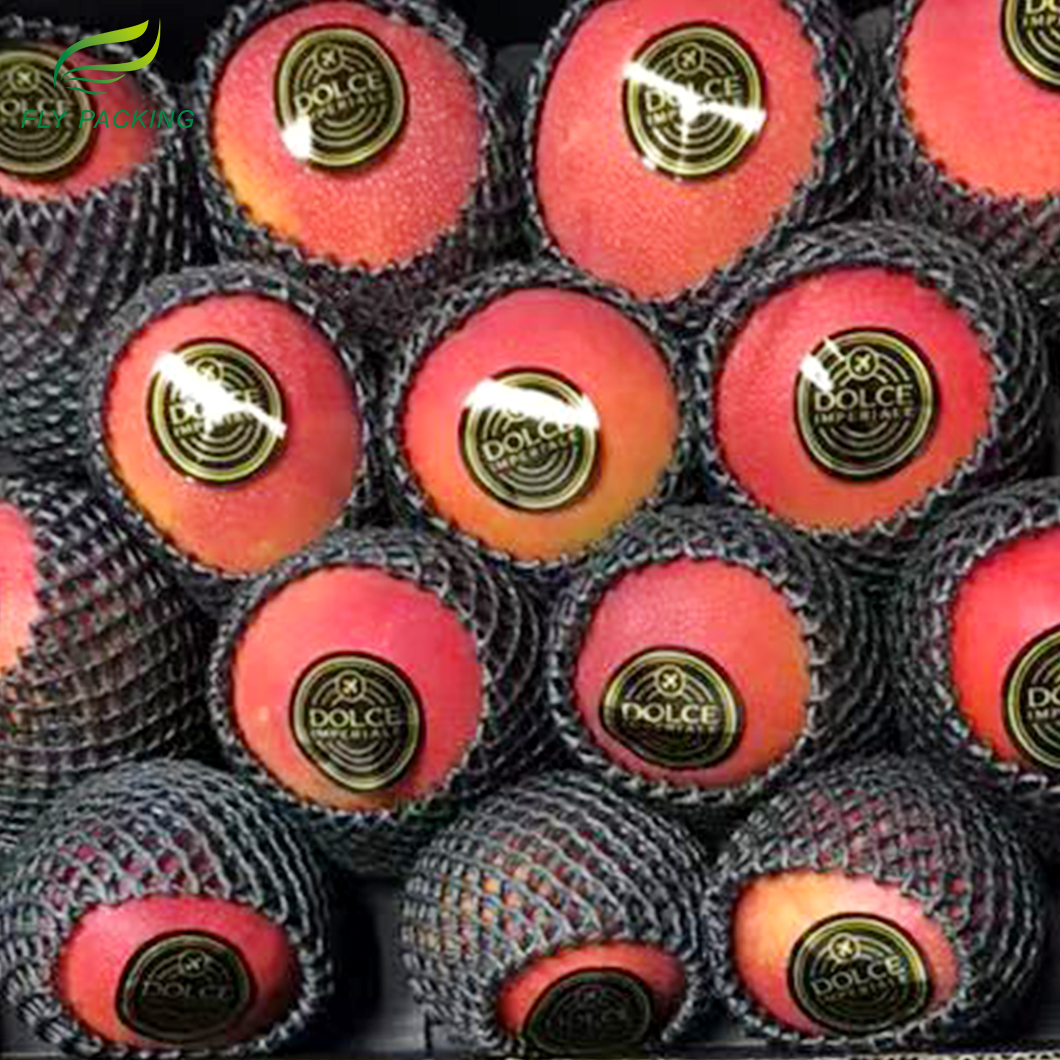
Not all foam nets are created equal. To select the right one for your packaging needs, consider the following factors:
Foam nets come in varying levels of thickness depending on the level of protection required. For extremely delicate items, opt for thicker nets to ensure maximum cushioning.
Make sure the foam net is the right size to fit securely around your item. Flexible nets are ideal as they can easily adjust to the shape of irregularly sized products.
If your aim is to reuse foam nets multiple times, choose high-quality options that maintain their integrity over time.
To reduce your environmental impact, look for foam nets made from recyclable materials or biodegradable components.
Select the Right Foam Net:
Match the net size and thickness to the item being packed to ensure a snug fit.
Wrap Individual Items:
For fragile products, wrap each piece individually to prevent any accidental damage caused by direct contact.
Combine with Other Packaging Materials:
For added protection, use foam nets alongside other materials like cardboard dividers or bubble wrap.
Optimize Package Weight:
Keep the weight and dimensions of your package within the limits allowed by your carrier to minimize shipping costs.
For businesses that regularly deal with fragile products, foam nets offer a dependable and efficient solution. By reducing the risk of damage, they help maintain product quality and improve customer satisfaction. Additionally, the lightweight design makes them a cost-effective choice, particularly for companies engaged in fly packing or exporting.
With their combination of durability, versatility, and affordability, foam nets are a vital tool for modern packaging.
The humble foam net is a small innovation with far-reaching impact. From protecting produce to safeguarding delicate electronics, its applications span industries and address critical challenges in both storage and transportation.
Are you looking to streamline your packaging process or improve the safety of your shipments? Consider integrating foam nets into your packing strategy. Their lightweight, flexible, and durable nature can revolutionize how you transport fragile goods. Whether you're in the produce industry, electronics, or retail, foam nets are a reliable solution to ensure your products reach their destination intact.
Start making foam nets an essential part of your fly packing process today and discover the difference they can make in your business.

| | 1/F, NO.81, CHANGZHEN ROAD, SHUIKOU TOWN, KAIPING CITY, GUANGDONG, CHINA |
| | +86-0-136 3183 6942 / +86-0-134 2677 9895 +86-750-2280358 |
| |