
Fresh produce takes a beating on the way to market. A bump in a crate, a long haul over rough roads, or one tight squeeze can leave bruises that turn sellable fruit into waste. For growers, packers, and distributors, that loss eats straight into profits.Foam-based protective packaging gives you a si

Fresh fruit is delicate. A single drop, a tight squeeze in a crate, or a long ride over rough roads can leave bruises that turn good produce into waste. For growers, packers, and distributors, that damage adds up fast. Foam net offers a simple, affordable answer—a lightweight foam sleeve that hugs e

When construction professionals apply sealants to joints or cracks, they rarely fill the entire void with caulking material. Filling deep gaps entirely with sealant wastes expensive materials and causes the joint to fail under pressure. Builders solve this problem by inserting a cylindrical piece of

Every year, businesses lose significant revenue due to damaged shipments. Delicate items like glass bottles are particularly prone to shattering during transit. A single broken bottle can ruin an entire case, leading to lost revenue, replacement costs, and disappointed customers.To prevent these los

Every year, businesses lose massive amounts of revenue due to damaged shipments. Fruits easily suffer from bumps and bruises during transit, while delicate items like glass bottles and ceramics are prone to shattering. This transit damage represents a severe drain on profits for growers, distributor

Every year, agricultural businesses lose massive amounts of revenue due to damaged fresh produce. Fruits easily suffer from bumps, bruises, and cracks during transit. This transit damage represents a severe drain on profits for growers, distributors, and retailers alike. A single ruined shipment eas

Every year, countless shipments of fragile items arrive at their destinations shattered or badly damaged. For businesses selling wine, beer, or delicate glass bottles, transit damage represents a massive drain on profits. A single broken bottle can ruin an entire case, leading to lost revenue, repla

Every year, countless batches of fresh produce and delicate glass bottles arrive at their destinations bruised, cracked, or completely ruined. This transit damage represents a massive drain on profits for agricultural businesses and manufacturers alike. A single damaged shipment can easily lead to l
Views: 17 Author: Site Editor Publish Time: 2023-02-01 Origin: Site
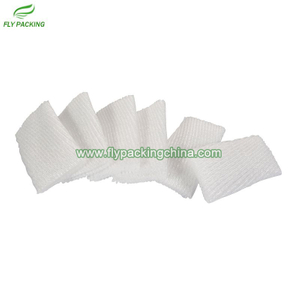
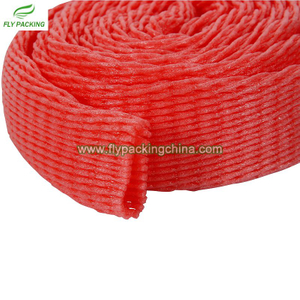
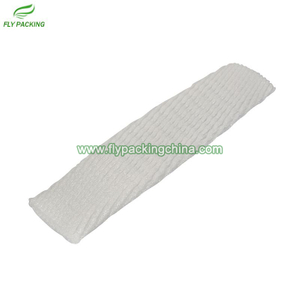
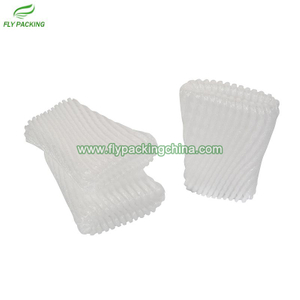
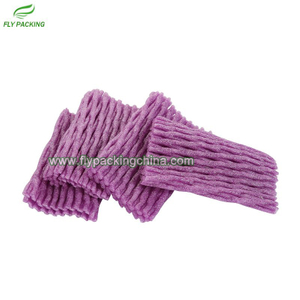
Fruit foam net, aka polyethylene foam netting, is a popular way to transport and store fresh fruits and vegetables. Unlike styrofoam, these reusable nets are light, durable and can be cut to custom sizes. They also offer a cushioning effect without adding bulk and are suitable for a variety of uses, from protecting delicate items to storing heavy objects.
Choosing the right fruit packaging material is important, as it will help to protect the product from damage while in transit. Amongst the various choices, foam netting is one of the most versatile and cost effective materials to use. Its main advantages include high thermal resistance, low toxicity and biodegradable properties.
Foam netting is also an excellent choice for large or oddly shaped fruits and vegetables. It allows air to circulate and prevents bruising, ensuring that your produce arrives in one piece.
The best thing about foam netting is that it is easy to transport and reuse. The material is lightweight and is available in a range of colors and shapes. It can be used to wrap a wide range of products, from vegetables to fish.
The primary concern of the packing industry is to prevent damage during transport and handling. Damage resulting from poor environmental control during handling and transit is one of the leading causes of rejected produce and low buyer and consumer satisfaction.
Damage resulting from the improper packaging of fresh fruits and vegetables is often the result of an insufficient mix of environmental gases, heat or humidity within the package. Fortunately, new products are available to help maintain an optimum environment for the longest shelf life.
In particular, modified atmosphere packaging material "breathes" at a rate that keeps the correct mix of oxygen, carbon dioxide and water vapor inside a pack. It also is specially engineered for the specific requirements of each produce item.
Other materials that are used for fruit protective packaging include polyethylene film (bags), molded pulp trays, corrugated containers, plastic liners and laminated paper products such as paper from wood pulp and recycled waste papers.
Depending on their characteristics, they provide protection from damage such as water soaking, tampering, pests or other sources of contamination. These materials also allow the package to be identified with a label containing country of origin, grade, variety, weight and count.
Foam fruit net cover is an effective protective packaging material that is designed to keep your fruits and other fragile items secure from dust, dirt, scratches and rot during storage or transit. It is non-toxic, harmless and biodegradable in nature.
Protective Packaging is a good way to preserve your fruit. It prevents bruising, improves quality and reduces moisture loss. It also reduces the risk of mold and dehydration. It is an excellent protective packaging material that can be used to package all types of fruits.
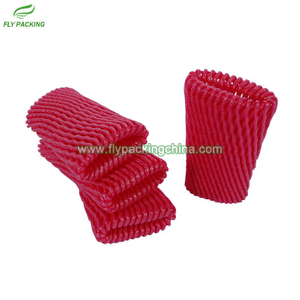
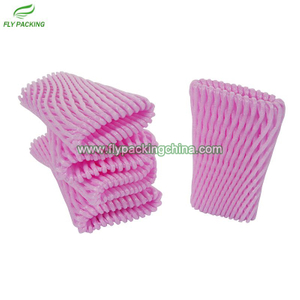
The soft foam foam fruit protection net is made of EPE plastic foam. It is a flexible, lightweight, biodegradable and environmentally-friendly product. It can be processed into various kinds of products and is easy to recycle. It can be made into mesh sleeves with different thicknesses and shapes to suit customer needs. It is mainly used for the packaging of fruit in growing season and in supermarket. It can isolate pesticides and environmental pollution without damaging the normal growth and maturity of fruits. It is also a kind of packing cotton that can effectively reduce friction and damage during transport, retail display and preservation.
Our foam net is a new type of flexible packaging materials, which is processed with EPE pearl cotton. It has a soft and smooth surface texture and is low density and shock resistant. It can be used for packaging various products, including glassware, ceramics, electronic components, etc. It can also be used for the packaging of various fruits, such as apples, peaches, tomatoes, pears, grapes, roses and other edible fruits. It can help to increase the product's market share and reduce the damage rate.
The fruit sleeve is the perfect solution to help protect your cherries, peaches, grapes and other fruit from birds, aphids and other pests that could spoil them before they are ripe. These reusable, fine mesh netting bags are designed to be placed over an entire branch of fruit whilst it is still ripening on your tree.
These breathable, UV stabilised netting is made from a fine mesh that traps air close to the branches and promotes faster ripening of the fruit. It is a non-toxic pest protection solution that complies with Victorian 'Harvest without Harm' regulations. These netting sleeves can be fitted quickly and easily, with one fixed end and one drawstring close end. The soft ties are gentle on the branches and prevent them from becoming damaged as the sleeve is secured.
Available in different sizes and colors, the fruit sleeve is also available in single layer netting. It is ideal for protecting your fruit avoiding any damage, making them more eye-catching and neat. These sleeve can be used to cover all types of fruits such as mango, avocado, guava and many more. They are also easy to fold and store. Foam fruit sleeve is also the best packaging material to protect your fruits from bruising and damage during transport.

| | 1/F, NO.81, CHANGZHEN ROAD, SHUIKOU TOWN, KAIPING CITY, GUANGDONG, CHINA |
| | +86-0-136 3183 6942 / +86-0-134 2677 9895 +86-750-2280358 |
| |