
Fresh fruit travels a long way before it reaches a dinner table. Grapes picked in a vineyard, mangoes harvested in an orchard, apples pulled from cold storage — all of them face bumps, pressure, and temperature swings on the road to a buyer. One scuff or bruise can turn a premium piece of fruit into

Every piece of fruit that leaves a packhouse faces bruising, scuffing, and compression before it ever reaches a shelf. Trucks jolt over rough roads, crates stack on top of each other, and temperature shifts stress delicate skins along the way. For growers, exporters, and distributors, the difference

Quick answer: This guide will appear at the end of the article, as requested.Every fruit that leaves an orchard faces a rough road ahead. Trucks hit potholes, pallets get stacked and shifted, and temperature swings stress delicate skins long before a shopper ever picks up that piece of fruit at the

Construction and packaging teams around the world rely on flexible foam rods to fill gaps, control joint depth, and support sealant application. Finding a dependable source for this material can shape the quality of an entire project, from residential window installations to large-scale industrial s

Every piece of fruit that leaves a farm faces a journey it was never built for. Trucks jolt over uneven roads, pallets shift inside shipping containers, and temperature swings stress delicate skins long before a mango or a bottle of wine reaches a store shelf. A single bruise, crack, or scuff can tu

Fresh produce travels a long road before it reaches a grocery shelf or a dinner table. Along the way, bruising, compression, and surface scratches can turn a perfectly ripe piece of fruit into something no shopper wants to pick up. For growers, packers, and exporters, the margin between a saleable c

Fresh produce travels thousands of miles before it reaches a dinner table, and every mile adds risk. A single bruise on a mango or a hairline crack in a wine bottle can turn a profitable shipment into a loss. Packers, exporters, and growers have spent decades looking for materials that absorb shock

Mangoes are among the most bruise-prone fruits moved through global supply chains. Their thin skin and soft flesh mean even a light knock during loading or transport can leave a mark that shows up days later at the retail shelf. For growers and exporters, that kind of damage translates directly into
Views: 21 Author: Site Editor Publish Time: 2023-10-24 Origin: Site
As the world becomes more environmentally conscious, the agriculture industry is constantly seeking innovative solutions to reduce waste and improve sustainability. Foam mesh, fruit mesh covers, and mesh foam are three remarkable advancements that have transformed the way we grow, protect, and package our fruits and vegetables. In this article, we will delve into the world of these revolutionary technologies, exploring their applications, benefits, and the positive impact they are having on sustainable farming practices.
Foam Mesh: The Guardian of Freshness
Foam mesh, a recent development in the field of agriculture, has rapidly gained popularity as a solution for protecting delicate fruits during transportation and storage.
a. What is Foam Mesh?
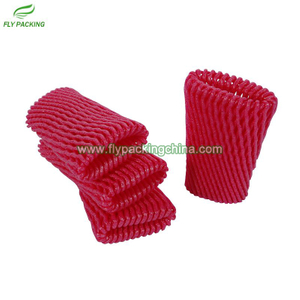
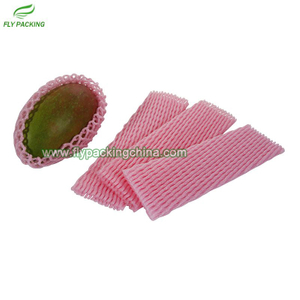
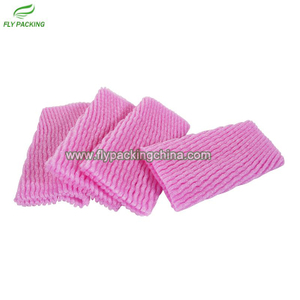
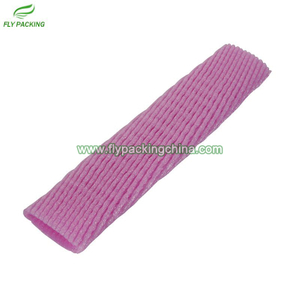
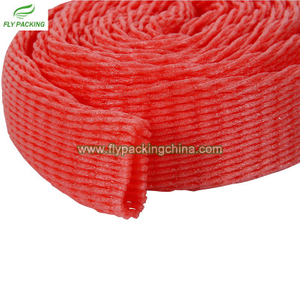
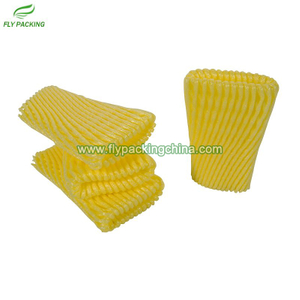
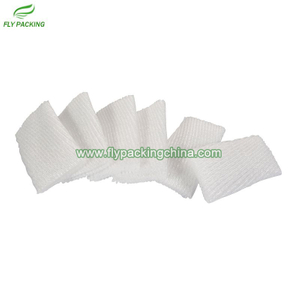
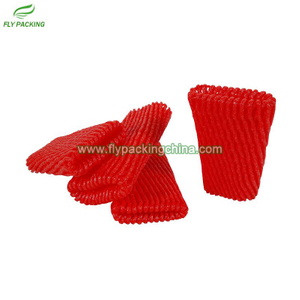
Foam mesh consists of foam netting that is used to encase individual pieces of fruit, such as apples, peaches, or tomatoes. These foam nets serve as protective shields, preventing damage to the fruit's skin and flesh. The foam mesh is lightweight, airy, and designed to cradle each piece of produce gently.
b. Benefits of Foam Mesh
Enhanced Protection: The primary purpose of foam mesh is to safeguard fruits and vegetables from physical damage during handling, transportation, and storage. It helps prevent bruising, scuffs, and scratches that can compromise the quality of the produce.
Improved Air Circulation: The foam mesh design promotes better air circulation around the fruit, which helps in reducing the risk of mold and rot. Adequate ventilation is essential for maintaining freshness.
Reusability: Foam mesh can be easily reused, making it a cost-effective and sustainable solution for protecting produce. Its durability ensures that it can be used multiple times, reducing waste.
Reduced Plastic Use: Foam mesh is an eco-friendly alternative to traditional plastic packaging, which is often single-use and contributes to plastic waste. By using foam mesh, farmers and consumers can significantly decrease their plastic footprint.
c. Applications of Foam Mesh
Foam mesh is used primarily in the agricultural industry to protect a wide range of fruits and vegetables, including apples, peaches, plums, tomatoes, and more. Its versatility and eco-friendly properties make it an ideal choice for sustainable farming practices.
Fruit Mesh Covers: Nature's Armor
Fruit mesh cover, also known as fruit sleeves or fruit socks, are another innovative solution in the world of agriculture. These protective coverings are designed to envelop individual fruits on the tree or plant, providing a natural shield against pests, sunburn, and environmental stressors.
a. How Fruit Mesh Covers Work
Fruit mesh covers are typically made from a breathable, lightweight material that allows sunlight, air, and rain to reach the fruit while shielding it from harm. The coverings are placed over individual fruits, securing them in place until they are ready for harvest.
b. Benefits of Fruit Mesh Covers
Pest Protection: Fruit sleeves act as a barrier against insects, birds, and other pests that may otherwise damage or contaminate the fruit.
Sunburn Prevention: Fruit exposed to direct sunlight can develop sunburn, leading to reduced quality and yield. Fruit mesh covers provide shade and protection, reducing the risk of sunburn.
Natural Solution: Fruit mesh covers offer an environmentally friendly solution to common fruit protection issues. They reduce the need for chemical pesticides and promote natural growth.
Improved Quality: By safeguarding the fruit from external stressors, fruit mesh covers contribute to better fruit quality, size, and appearance.
c. Applications of Fruit Mesh Covers
Fruit mesh covers are used for various fruits, such as apples, pears, peaches, grapes, and even melons. Their versatility extends to different stages of fruit growth, from early development through to harvest.
Mesh Foam: The Sustainable Packaging Solution
Mesh foam is an innovative packaging material designed to cushion and protect fruits and vegetables during transportation and storage while offering sustainable alternatives to traditional packaging.
a. What is Mesh Foam?
Mesh foam is composed of a foam-like material that incorporates a network of tiny perforations to allow for optimal air circulation. The material is lightweight, durable, and can be easily molded to fit the shape of the produce it protects.
b. Benefits of Mesh Foam
Improved Ventilation: The mesh-like structure of the foam material promotes excellent air circulation around the fruits and vegetables, reducing the risk of mold and rot.
Impact Resistance: Mesh foam cushions the produce, preventing damage during handling, stacking, and transportation.
Customizability: Mesh foam can be tailored to fit the specific shape and size of different fruits and vegetables, offering a secure and tailored fit.
Reusability: Just like foam mesh, mesh foam can be reused multiple times, minimizing waste and contributing to sustainability efforts.
c. Applications of Mesh Foam
Mesh foam is commonly used for the packaging of delicate fruits and vegetables, including avocados, cherries, and plums. Its versatile design ensures that it can be adapted to various produce shapes and sizes.
Conclusion
The agricultural industry is evolving, and sustainable farming practices are at the forefront of these changes. Foam mesh, fruit mesh covers, and mesh foam represent just a few of the innovative solutions that have emerged to address the challenges faced in the field of agriculture. These technologies offer better protection for fruits and vegetables, reduce waste, decrease the reliance on harmful chemicals, and contribute to a more eco-friendly and sustainable agricultural future. By embracing these advancements, farmers and consumers alike are not only safeguarding the quality of produce but also actively participating in the global shift toward a greener and more sustainable planet.

| | 1/F, NO.81, CHANGZHEN ROAD, SHUIKOU TOWN, KAIPING CITY, GUANGDONG, CHINA |
| | +86-0-136 3183 6942 / +86-0-134 2677 9895 +86-750-2280358 |
| |