
Bottles break for one simple reason: they move when they shouldn't. A wine bottle knocking against a crate wall, a glass jar rubbing its neighbor, a shipment jostled by hours of highway vibration—these small motions compound into cracks, scratches, and shattered stock by the time a package reaches i

Foam nets protect fresh produce from bruising, scratching, and impact damage during transit. Single-layer options suit lighter fruits, while double-layer designs add extra cushioning for heavier or more delicate produce. Sourcing from a specialized manufacturer ensures consistent quality, reliable s

Long-distance freight puts constant pressure on delicate cargo. Vibration, stacking loads, and shifting weight cause most damage—not dramatic accidents, but slow, grinding contact over hundreds of miles. For growers, packers, and exporters, that damage eats directly into profit margins.Foam mesh sle

Bottles break for one simple reason: they move when they shouldn't. A wine bottle knocking against a crate wall, a glass jar rubbing its neighbor, a perfume flacon vibrating loose during a long haul—these small motions add up to cracks, scratches, and shattered goods by the time a package arrives.Fo

Post-harvest losses cost farmers billions every year. A bruised mango, a cracked pear, a scratched apple—this kind of damage rarely happens in the field. It happens in transit, during loading, stacking, and the long journey between farm and market. Packaging is where that battle is won or lost.Acros

Fresh produce and fragile goods face constant threats during transit. Vibration, pressure, friction, and shifting loads cause surface damage long before a product reaches its destination. For growers, packers, and exporters, the difference between a profitable shipment and a damaged one often comes

Fresh fruit is fragile. A single crate of mangoes or a pallet of apples can suffer significant surface damage during transit—not from dramatic accidents, but from the slow, grinding pressure of vibration, shifting weight, and poor gap control. Choosing the right cushioning material, sized correctly

Every damaged shipment tells the same story: something moved when it shouldn't have. A glass bottle shifted inside a crate. An apple pressed too hard against another. A ceramic piece absorbed one too many road vibrations. The result is the same—spoiled product, wasted effort, and a customer on the o
Views: 9 Author: Site Editor Publish Time: 2024-06-19 Origin: Site
In an era where food preservation and safety are more crucial than ever, fruit foam netting emerges as an ingenious solution for protecting delicate produce. Whether you're a farmer, retailer, or simply a conscious consumer, understanding the benefits and applications of fruit foam netting can revolutionize the way you handle and store fruits. This blog post will guide you through everything you need to know about fruit foam netting, from its various forms to its practical uses.
Fruits are not just a source of essential nutrients; they are also delicate and prone to damage during transportation and storage. Damaged fruits can lead to significant financial losses and decreased customer satisfaction. This is where fruit foam netting comes into play, offering a protective shield that ensures your fruits reach their destination in perfect condition.
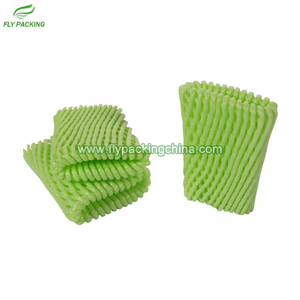
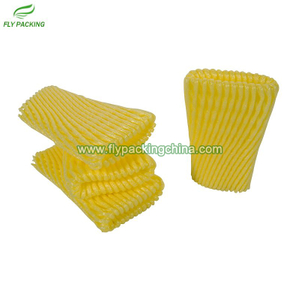
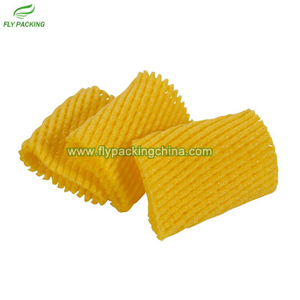
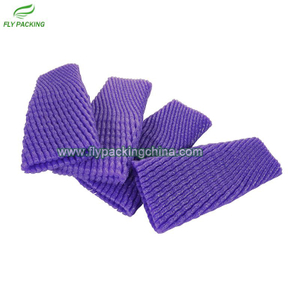
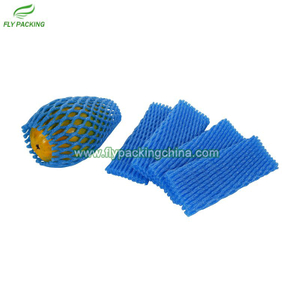
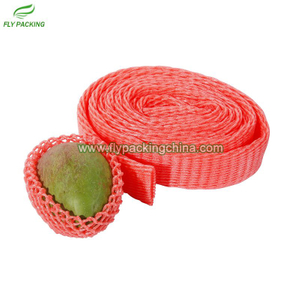
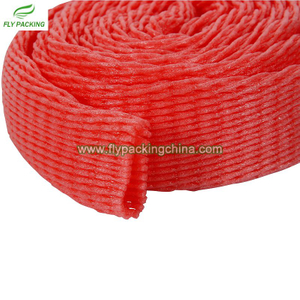
Fruit foam netting is a flexible, lightweight material designed to wrap around fruits, providing a cushioned layer that protects against bruising and damage. Made from polyethylene foam, these nets are both durable and recyclable, making them an eco-friendly choice for fruit protection.
1. Protection Against Damage
Fruit foam netting provides a cushioned barrier that absorbs impact, preventing bruises and cuts during transportation and handling. This ensures that your fruits remain fresh and appealing to consumers.
1. Enhanced Shelf Life
By minimizing physical damage, fruit foam netting helps extend the shelf life of fruits. This is particularly beneficial for retailers who need to keep their produce fresh for as long as possible.
1. Cost-Effective Solution
Investing in fruit foam netting can save you money in the long run by reducing the amount of damaged and unsellable produce. It's a small cost that yields significant returns.
Fruit foam nets are incredibly versatile and can be used for a wide range of fruits, from apples and pears to peaches and avocados. Their flexibility allows them to conform to the shape of the fruit, providing maximum coverage and protection.
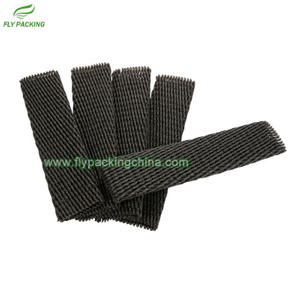
Manufacturers offer fruit foam nets in various sizes, thicknesses, and colors, allowing you to choose the perfect fit for your specific needs. This customization ensures that each type of fruit receives the optimal level of protection.
Applying fruit foam netting is a straightforward process. Simply slide the net over the fruit, and it will stay securely in place. This ease of use makes it a practical option for both small-scale farmers and large commercial operations.
Fruit foam net covers not only protect but also enhance the visual appeal of your fruits. The netting adds a touch of sophistication, making your produce stand out in the market. This can be a significant advantage in attracting customers and boosting sales.
One of the key features of fruit foam net covers is their breathability. The netting allows air to circulate around the fruit, preventing moisture buildup and reducing the risk of mold and decay. This ensures that your fruits stay fresh and flavorful.
Many fruit foam net covers are made from recyclable materials, making them an environmentally friendly option. Choosing recyclable netting demonstrates a commitment to sustainability, which is increasingly important to today's consumers.
Fruit foam net sleeves are designed to provide a snug fit around individual fruits. This secure fit prevents the fruits from shifting during transportation, reducing the risk of damage. The sleeves are particularly useful for high-value fruits that require extra care.
Using different colored fruit foam net sleeves can help with product identification and inventory management. For example, you can use red sleeves for apples and green sleeves for avocados, making it easy to distinguish between different types of fruits at a glance.
Fruit foam net sleeves are a cost-effective solution for protecting fruits. They are lightweight and take up minimal space, reducing shipping costs. Additionally, their durability means they can be reused multiple times, further enhancing their value.
1. Choose the Right Size
Select foam netting that fits snugly around your fruits without being too tight. A proper fit ensures maximum protection and stability during transit.
1. Layer for Extra Protection
For particularly delicate fruits, consider using multiple layers of foam netting. This provides additional cushioning and reduces the risk of damage.
1. Store in a Cool, Dry Place
To maintain the integrity of the foam netting, store it in a cool, dry place. Avoid exposure to direct sunlight and moisture, as these can degrade the material over time.
1. Farmers
Farmers use fruit foam netting to protect their harvest during transportation to markets and suppliers. This minimizes losses and ensures that their produce reaches consumers in pristine condition.
1. Retailers
Retailers benefit from using foam netting to display fruits attractively while keeping them safe from damage. The enhanced presentation can lead to increased sales and customer satisfaction.
1. Consumers
Even home consumers can use fruit foam netting to prolong the freshness of fruits purchased in bulk. Wrapping fruits in foam netting before storing them in the refrigerator can help reduce spoilage.
With growing awareness of environmental issues, the future of fruit packaging is likely to see increased use of sustainable materials. Innovations in biodegradable foam netting and reusable packaging solutions are on the horizon, promising to make fruit protection even more eco-friendly.
Fruit foam netting is a simple yet effective solution for protecting delicate fruits from damage. Its versatility, cost-effectiveness, and environmental friendliness make it an ideal choice for farmers, retailers, and consumers alike. By incorporating fruit foam netting into your packing and storage practices, you can ensure that your fruits remain fresh, appealing, and ready to enjoy.
Are you ready to experience the benefits of fruit foam netting for yourself? Start today and see the difference it can make in preserving the quality and freshness of your produce. Your fruits deserve the best protection, and fruit foam netting delivers just that.

| | 1/F, NO.81, CHANGZHEN ROAD, SHUIKOU TOWN, KAIPING CITY, GUANGDONG, CHINA |
| | +86-0-136 3183 6942 / +86-0-134 2677 9895 +86-750-2280358 |
| |