
A single bruised apple can compromise an entire box. During shipping, apples are exposed to vibration, pressure, and friction—forces that cause surface damage long before the fruit reaches a retailer or consumer. The result is a costly chain of spoilage that growers, packers, and exporters deal with

Fresh fruit is vulnerable. A single bump in transit—a shift in the crate, pressure from adjacent boxes, or vibration on a long-haul truck—can bruise produce before it ever reaches the shelf. That bruising costs growers, packers, and exporters real money. Backer rod has emerged as a practical solutio

Foam netting has quietly become one of the most practical packaging materials in global supply chains. Growers, packers, exporters, and logistics companies rely on it daily—yet it rarely gets the attention it deserves. A bruised mango or a cracked bottle of wine might seem like a minor inconvenience

Fresh produce takes a beating on the way to market. A bump in a crate, a long haul over rough roads, or one tight squeeze can leave bruises that turn sellable fruit into waste. For growers, packers, and distributors, that loss eats straight into profits.Foam-based protective packaging gives you a si

Fresh fruit is delicate. A single drop, a tight squeeze in a crate, or a long ride over rough roads can leave bruises that turn good produce into waste. For growers, packers, and distributors, that damage adds up fast. Foam net offers a simple, affordable answer—a lightweight foam sleeve that hugs e

When construction professionals apply sealants to joints or cracks, they rarely fill the entire void with caulking material. Filling deep gaps entirely with sealant wastes expensive materials and causes the joint to fail under pressure. Builders solve this problem by inserting a cylindrical piece of

Every year, businesses lose significant revenue due to damaged shipments. Delicate items like glass bottles are particularly prone to shattering during transit. A single broken bottle can ruin an entire case, leading to lost revenue, replacement costs, and disappointed customers.To prevent these los

Every year, businesses lose massive amounts of revenue due to damaged shipments. Fruits easily suffer from bumps and bruises during transit, while delicate items like glass bottles and ceramics are prone to shattering. This transit damage represents a severe drain on profits for growers, distributor
Views: 19 Author: Site Editor Publish Time: 2024-06-03 Origin: Site
Whether you're a seasoned gardener, a fruit vendor, or simply someone who values fresh produce, you've likely encountered foam netting. In this comprehensive guide, we'll explore everything you need to know about foam netting, foam fruit wrappers, and how they can benefit you.
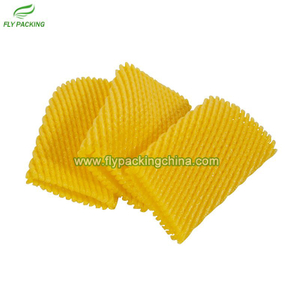
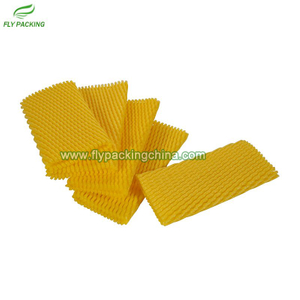
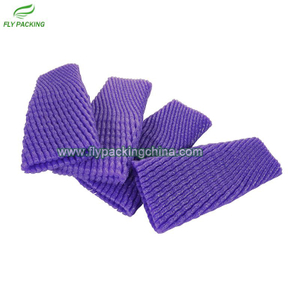
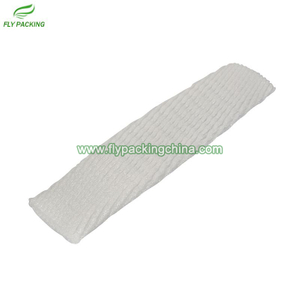
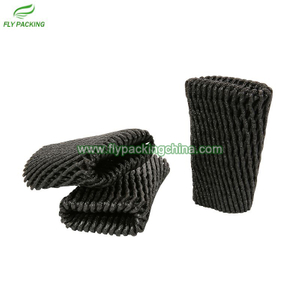
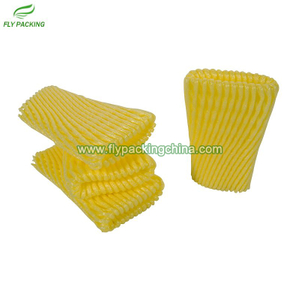
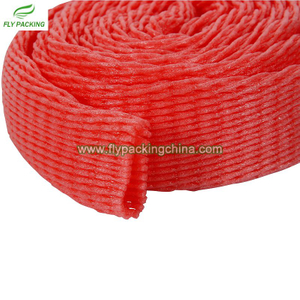
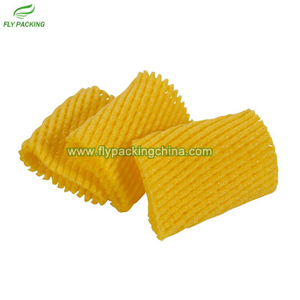
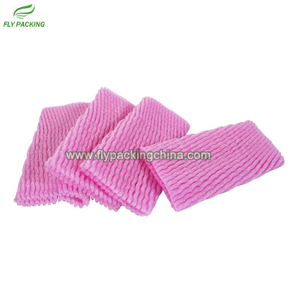
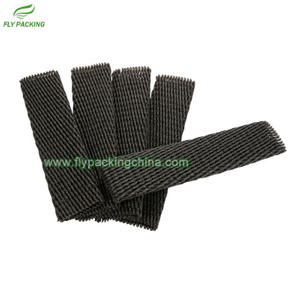
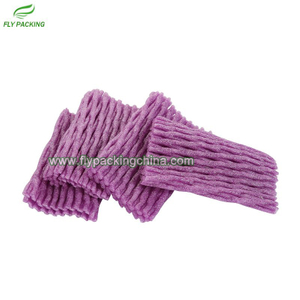
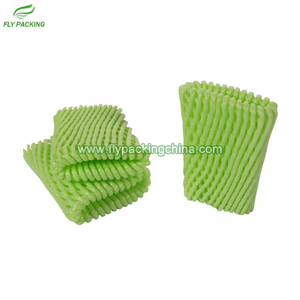
Foam netting, also known as foam fruit netting or foam fruit wrappers, is a type of protective packaging material. Made from expanded polyethylene (EPE) foam, these nets are designed to cushion and protect delicate fruits and vegetables during transportation and storage.
· Lightweight: Foam netting is incredibly lightweight, making it easy to handle and transport.
· Flexible: Its flexibility allows it to conform to the shape of different fruits and vegetables, providing optimal protection.
· Breathable: The net structure allows air circulation, helping to maintain the freshness of the produce.
· Reusable: Fruit foam netting is durable and can be reused multiple times, making it an eco-friendly option.
One of the primary benefits of using foam fruit wrappers is that they provide excellent protection against damage. Fruits and vegetables are prone to bruising and other forms of damage during transportation. Foam netting acts as a cushion, absorbing shocks and preventing physical damage.
Foam netting helps maintain the freshness of fruits and vegetables by allowing air circulation. This ventilation is crucial in preventing moisture buildup, which can lead to mold and spoilage. By keeping produce fresh for longer, foam fruit wrapper help reduce waste.
Using foam netting can be a cost-effective solution for both small and large-scale operations. The reduced risk of damage means less waste and more marketable produce. Additionally, the reusability of foam netting adds to its cost-effectiveness.
Foam netting is versatile and can be used for a variety of fruits and vegetables, including apples, pears, tomatoes, and more. Its flexibility allows it to adapt to different shapes and sizes, providing consistent protection.
When selecting foam netting, it's essential to consider the quality of the material. High-quality EPE foam is more durable and offers better protection. Look for netting that is tear-resistant and has a consistent texture.
Foam netting comes in various sizes and thicknesses. Choose a size that fits snugly around your produce without being too tight. The thickness of the netting should be sufficient to provide cushioning without being overly bulky.
If environmental sustainability is a priority, look for foam netting made from recyclable materials. Some manufacturers offer biodegradable options that provide the same level of protection while being kinder to the environment.
Farmers and agricultural businesses often use foam netting to protect fruits and vegetables during harvesting, transportation, and storage. The netting helps ensure that produce reaches the market in optimal condition.
Retailers use foam fruit wrappers to display fresh produce attractively while ensuring it remains undamaged. The netting enhances the visual appeal of fruits and vegetables, making them more appealing to customers.
Foam netting is also popular among home gardeners and consumers who want to extend the shelf life of their produce. By wrapping fruits and vegetables in foam netting, they can keep them fresh for longer periods.
Foam netting and foam fruit wrappers offer numerous benefits for protecting and preserving fruits and vegetables. Their lightweight, flexible, and breathable design makes them an excellent choice for various applications, from agriculture to retail.
Ready to experience the benefits of foam netting for yourself? Discover our range of high-quality foam fruit wrappers and take the first step towards fresher, better-protected produce.
By providing detailed information and practical tips, this guide aims to help you make informed decisions about using foam netting. Whether you're looking to reduce waste, protect your produce, or enhance its visual appeal, foam fruit wrappers are an invaluable tool.

| | 1/F, NO.81, CHANGZHEN ROAD, SHUIKOU TOWN, KAIPING CITY, GUANGDONG, CHINA |
| | +86-0-136 3183 6942 / +86-0-134 2677 9895 +86-750-2280358 |
| |