Bottles break for one simple reason: they move when they shouldn't. A wine bottle knocking against a crate wall, a glass jar rubbing its neighbor, a shipment jostled by hours of highway vibration—these small motions compound into cracks, scratches, and shattered stock by the time a package reaches i
Foam nets protect fresh produce from bruising, scratching, and impact damage during transit. Single-layer options suit lighter fruits, while double-layer designs add extra cushioning for heavier or more delicate produce. Sourcing from a specialized manufacturer ensures consistent quality, reliable s
Long-distance freight puts constant pressure on delicate cargo. Vibration, stacking loads, and shifting weight cause most damage—not dramatic accidents, but slow, grinding contact over hundreds of miles. For growers, packers, and exporters, that damage eats directly into profit margins.Foam mesh sle
Bottles break for one simple reason: they move when they shouldn't. A wine bottle knocking against a crate wall, a glass jar rubbing its neighbor, a perfume flacon vibrating loose during a long haul—these small motions add up to cracks, scratches, and shattered goods by the time a package arrives.Fo
Post-harvest losses cost farmers billions every year. A bruised mango, a cracked pear, a scratched apple—this kind of damage rarely happens in the field. It happens in transit, during loading, stacking, and the long journey between farm and market. Packaging is where that battle is won or lost.Acros
Fresh produce and fragile goods face constant threats during transit. Vibration, pressure, friction, and shifting loads cause surface damage long before a product reaches its destination. For growers, packers, and exporters, the difference between a profitable shipment and a damaged one often comes
Fresh fruit is fragile. A single crate of mangoes or a pallet of apples can suffer significant surface damage during transit—not from dramatic accidents, but from the slow, grinding pressure of vibration, shifting weight, and poor gap control. Choosing the right cushioning material, sized correctly
Every damaged shipment tells the same story: something moved when it shouldn't have. A glass bottle shifted inside a crate. An apple pressed too hard against another. A ceramic piece absorbed one too many road vibrations. The result is the same—spoiled product, wasted effort, and a customer on the o
Views: 74 Author: Site Editor Publish Time: 2021-11-19 Origin: Site
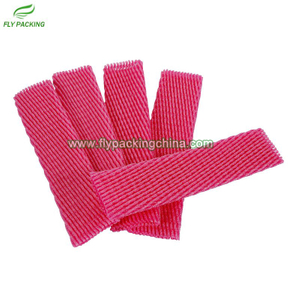
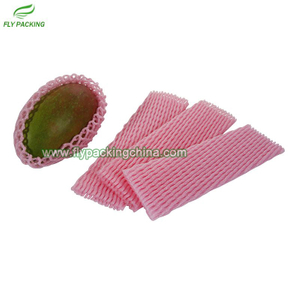
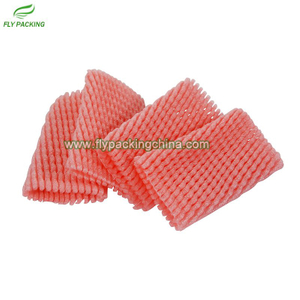
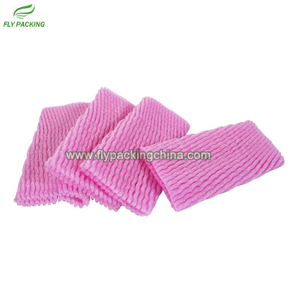
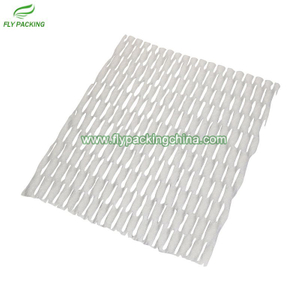
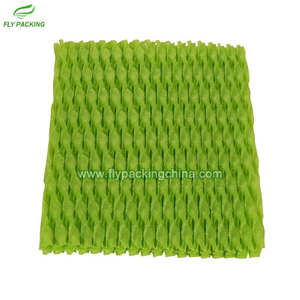
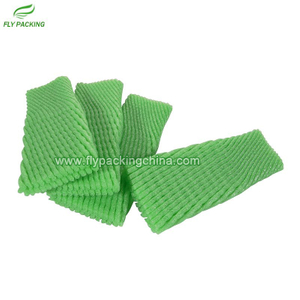
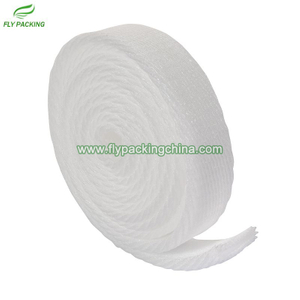
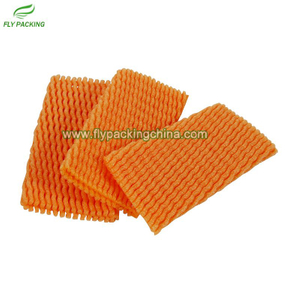
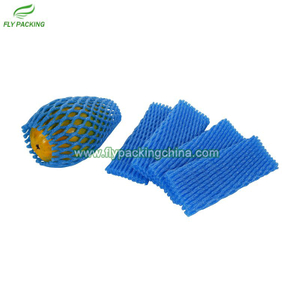
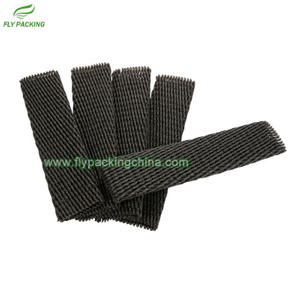
Foam netting for fruit is a great way to protect your fruits and vegetables from damage and pests. These products can be purchased at many grocery stores and even grocery stores that specialize in fruits and vegetables. This material comes in many sizes and can fit a wide variety of popular fruit cans. It is easy to buy and can also enhance the look of your packaging. It also helps consumers determine the freshness of their fruit.
One type of foam netting is EPE, which is a lightweight plastic material. It's also incredibly durable and doesn't allow liquid to seep through. Since it's made of strong plastic, it's not easy to break open. Many people mistakenly believe that their fruit has contracted pneumonia while being transported. The truth is, though, that foam netting for fruit is a great solution for fruit transportation.
Another type of netting for fruit is foam. These plastic mesh bags are designed to keep your fruit safe from any type of debris. They also have multiple perforations for maximum ventilation. They're perfect for preserving the freshness of your fruit. So you don't have to worry about your fruit being damaged. Lastly, you can protect your vegetables and fruits with wine bottle sleeves. These bags are made from durable materials and can be used on all types of fruit.
| | 1/F, NO.81, CHANGZHEN ROAD, SHUIKOU TOWN, KAIPING CITY, GUANGDONG, CHINA |
| | +86-0-136 3183 6942 / +86-0-134 2677 9895 +86-750-2280358 |
| |