Views: 19 Author: Site Editor Publish Time: 2022-07-14 Origin: Site
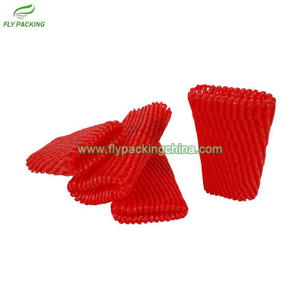
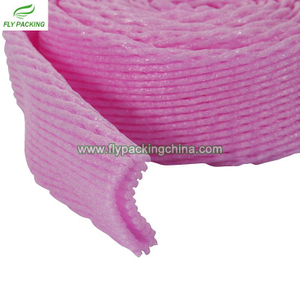
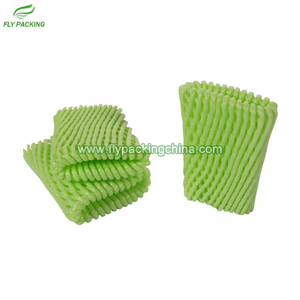
Among other uses of Foam Net, it is an excellent material for packing and transporting fruits and vegetables. Its high thermal resistance and low toxicity level make it an environmentally-friendly material. Moreover, this material is non-toxic and biodegradable. The net is also great for protecting your produce from the elements, including sunlight and heat. However, there are some things you should know before purchasing one. This article provides you with a brief introduction of Foam Net and its benefits.
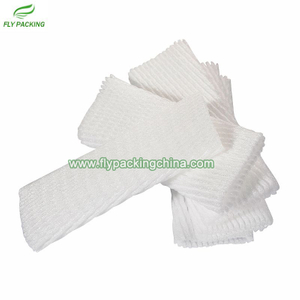
Foam Net is a material that is usually made of polyethylene that has a high degree of resilience. It is a low-density polyethylene that produces independent bubbles. It has many advantages over Styrofoam, including anti-collision, heat preservation, and water-resistant properties. Its netting is easy to change sex, and it has excellent water and heat preservation properties. It is also ideal for protecting the environment, and it is waterproof and anti-collision. Its holes help drain the soap easily, and they keep the fruit from softening.
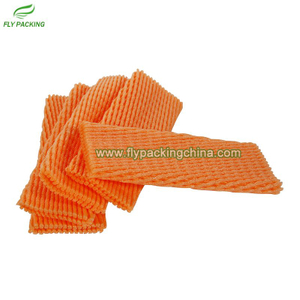
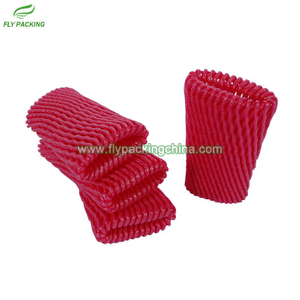
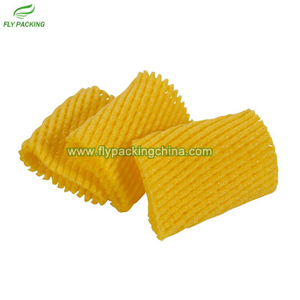
Do you know about Double layers foam net? This type of packaging is made from a food-grade foaming material that protects fragile items and is available in different colors and sizes. The foaming material can be used in different industries including fruit packaging. In this article, we'll discuss its benefits and how it works. Besides providing protection, it also adds a stylish touch to the fruits. It's easy to store and transport fruit, and the perfect gift for any fruit lover.
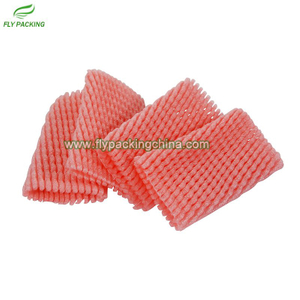
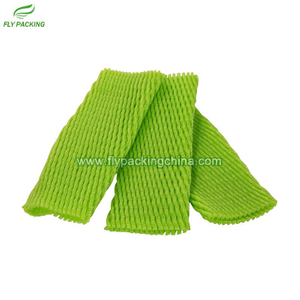
If you want to protect your fruit from getting spoiled, a Single Layer Foam Net is a great option. It is available in various colors and sizes and comes with odorless, tasteless, and food-quality foaming components. Unlike other packaging materials, foaming components are completely safe to use around food. This is why it is a popular choice for fruit packaging. You can even find Single Layer Foam Net in various forms, such as cylinders, tubes, and rolls.
The overall stiffness of a foam product depends on its density. As the height of impact increases, the stiffer the material becomes. Increasing the density of the foam product allows you to use softer materials and thus, reduce the impact forces and accelerations. The solids-to-air ratio in a honeycomb material controls the overall stiffness. The cell walls buckle during impacts, limiting the force until the material consolidates.
AMSFs were tested under impact and compressive loading. The strength of the samples varied significantly. The AMSFs exhibited lower peak stresses than their unlayered counterparts. This was due to the layered structure, which improved the ductility of the S. However, as the layers were reduced, the ductility decreased, resulting in higher peak stress and cracking. This suggests that single-layer foam nets are superior to multi-layer foam nets in a variety of applications.


| | 1/F, NO.81, CHANGZHEN ROAD, SHUIKOU TOWN, KAIPING CITY, GUANGDONG, CHINA |
| | +86-0-136 3183 6942 / +86-0-134 2677 9895 +86-750-2280358 |
| |