Views: 30 Author: Site Editor Publish Time: 2025-09-08 Origin: Site
The packaging industry is undergoing a significant transformation. As consumers and businesses alike become more environmentally conscious, the demand for sustainable solutions has skyrocketed. Traditional packaging materials, particularly plastics, are facing scrutiny for their environmental impact. This has paved the way for innovative alternatives that offer protection without polluting the planet. One of the most promising of these is the biodegradable EPE foam net.
This guide explores the rise of biodegradable EPE foam netting as a revolutionary packaging solution. We will cover what it is, how it differs from traditional materials, its numerous benefits, and its wide-ranging applications across various industries. By the end, you'll understand why this material is quickly becoming the preferred choice for businesses looking to enhance their sustainability credentials while protecting their products.
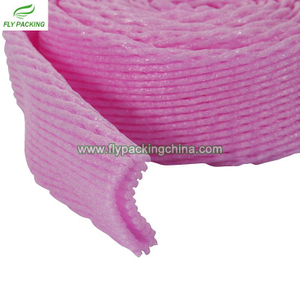
EPE, which stands for Expanded Polyethylene, is a lightweight, semi-rigid, and flexible closed-cell foam. Traditionally, EPE foam is known for its excellent shock absorption and cushioning properties, making it a popular choice for protecting fragile items during transit. However, standard EPE foam is a plastic derived from petroleum and is not biodegradable, contributing to landfill waste and plastic pollution.
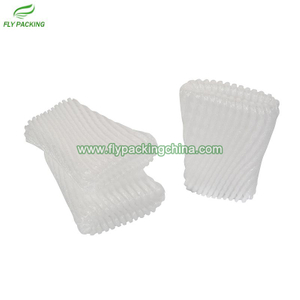
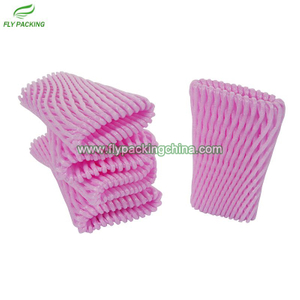
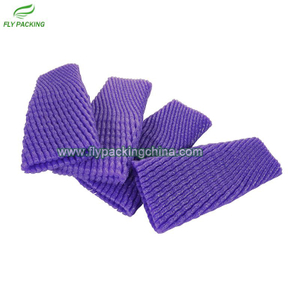
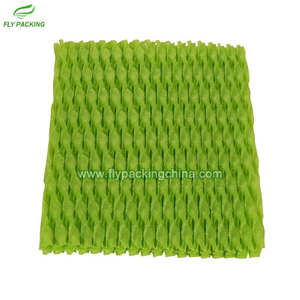
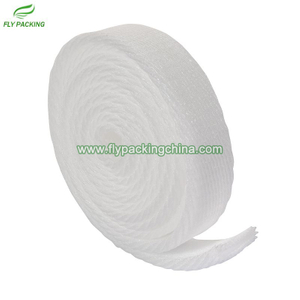
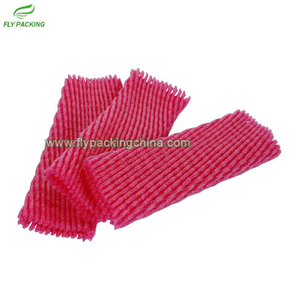
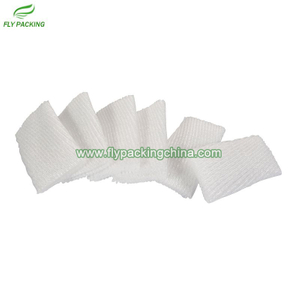
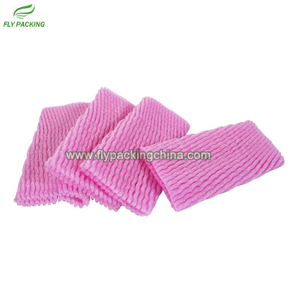
The biodegradable EPE foam net represents a major advancement. This innovative material is engineered with special additives that allow it to break down naturally under specific environmental conditions, such as in a landfill or compost setting. Unlike its conventional counterpart, which can persist in the environment for hundreds of years, the biodegradable version decomposes into water, carbon dioxide, and biomass over a much shorter period. This process is facilitated by microorganisms like bacteria and fungi, which consume the material, returning it to the natural ecosystem.
This eco-friendly netting retains all the desirable properties of traditional EPE foam—flexibility, durability, and superior cushioning—while offering a guilt-free, sustainable end-of-life solution.
Switching to a biodegradable EPE foam net offers a multitude of advantages for businesses, consumers, and the environment. Here are some of the most compelling benefits.
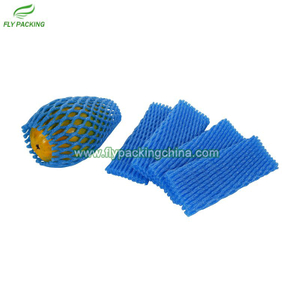
The primary function of any packaging material is to protect the product it contains. Biodegradable EPE foam nets excel in this regard. Their unique web-like structure provides excellent cushioning and absorbs impact, preventing damage to fragile items like glass bottles, electronics, and fresh produce. The elastic nature of the netting allows it to conform to the shape of the product, ensuring a snug and secure fit that minimizes movement during shipping.
The most significant advantage is its positive environmental impact. By choosing a biodegradable EPE foam net, businesses can drastically reduce their carbon footprint and contribution to plastic pollution. This aligns with global sustainability goals and demonstrates a commitment to corporate social responsibility (CSR). Consumers are increasingly loyal to brands that prioritize the planet, making this a powerful differentiator in a competitive market.
Biodegradable EPE foam netting is not limited to a single application. Its versatility makes it suitable for a wide range of industries:
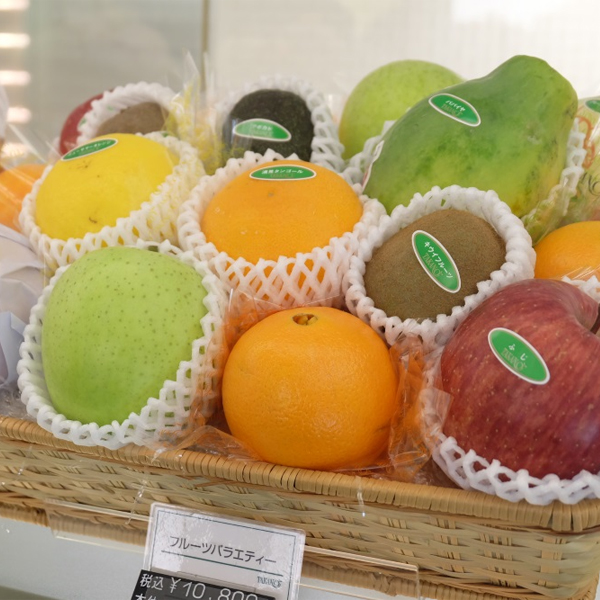
· Agriculture: Protecting delicate fruits and vegetables like mangoes, pears, and papayas from bruising.
· Beverages: Cushioning glass bottles of wine, spirits, and olive oil.
· Electronics: Safeguarding sensitive components and finished products from shocks.
· Industrial Parts: Protecting precision-engineered parts from scratches and impact.
While "eco-friendly" can sometimes be associated with higher costs, biodegradable EPE foam is surprisingly economical. It is lightweight, which helps reduce shipping costs. Furthermore, its protective qualities minimize losses from product damage, leading to long-term savings. Leading suppliers, like Fly Packing, offer competitive pricing on these materials, making sustainability an accessible goal for businesses of all sizes.
In an age of conscious consumerism, your packaging is often the first physical interaction a customer has with your brand. Using sustainable materials like a biodegradable EPE foam net sends a strong message about your company's values. It can enhance your brand reputation, attract eco-minded customers, and foster loyalty. Unboxing a product wrapped in eco-friendly packaging creates a positive experience that customers are more likely to remember and share.
Adopting this sustainable packaging solution is a straightforward process. Here’s a simple guide to get started.
Begin by assessing your current packaging requirements. Identify which products are most fragile and would benefit from the superior cushioning of EPE foam netting. Consider the size, shape, and weight of these items to determine the appropriate net specifications.
Partnering with a reputable supplier is crucial. Look for a company with a proven track record in sustainable packaging solutions. A trusted supplier like Fly Packing can provide high-quality biodegradable EPE foam net products tailored to your specific needs. They can also offer expert advice on the best application methods and help you optimize your packaging process for maximum efficiency and protection.
Before making a complete switch, it's wise to conduct a trial run. Order a sample batch of biodegradable foam nets and use them to package a few shipments. This will allow you to evaluate their performance in real-world conditions and gather feedback from your team and even your customers.
Once you have successfully integrated biodegradable netting into your packaging, make sure to communicate this positive change to your customers. Highlight your new sustainable practices on your website, social media channels, and even on the packaging itself. This reinforces your brand’s commitment to sustainability and educates your customers about the benefits of your new packaging choice.
The shift towards sustainable packaging is no longer a trend; it's a necessity. The biodegradable EPE foam net offers a practical, effective, and responsible solution for businesses looking to protect their products and the planet simultaneously. By combining the trusted protective qualities of EPE foam with the environmental benefits of biodegradability, this material is set to revolutionize the packaging industry.
As you consider ways to make your business more sustainable, exploring innovative materials is a crucial step. Partnering with a knowledgeable supplier like Fly Packing can provide you with the resources and high-quality products needed to make a seamless transition. Embrace the future of packaging today and make a lasting, positive impact.

| | 1/F, NO.81, CHANGZHEN ROAD, SHUIKOU TOWN, KAIPING CITY, GUANGDONG, CHINA |
| | +86-0-136 3183 6942 / +86-0-134 2677 9895 +86-750-2280358 |
| |