Views: 1 Author: Site Editor Publish Time: 2026-11-26 Origin: Site
Fresh fruit exporters rely on cushioning materials to prevent bruising, scuffing, and compression damage during transit. Foam netting, foam sheets, and foam cushions each absorb impact differently, so choosing the right material depends on the fruit type, shipping distance, and packing method used by growers and packhouses.
Fresh produce faces repeated jolts, stacking pressure, and temperature swings between the packhouse and the retail shelf. A single scuff or bruise can turn a premium piece of fruit into a reject, which is why packers wrap individual items in a protective layer before boxing. This layer separates fruit from direct contact with other produce and with the walls of the carton, reducing friction-related damage throughout the journey.
Many exporters select a foam package specifically sized to the fruit's diameter, ensuring the cushioning stays snug without restricting airflow around the skin. Ventilation matters because trapped moisture can accelerate spoilage, so most manufacturers perforate their foam products to let the fruit breathe while still absorbing shock.

Several protective materials are commonly used across the fresh produce export industry, each suited to different fruit types and packing lines:
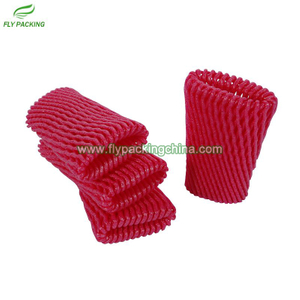
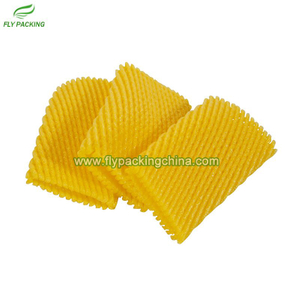
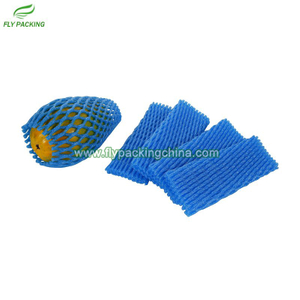
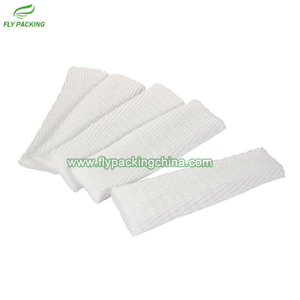
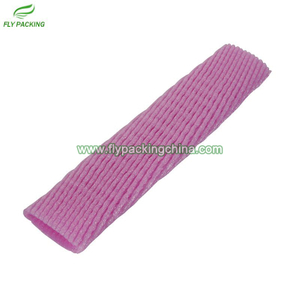
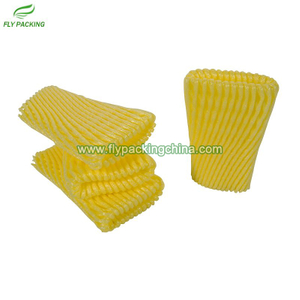
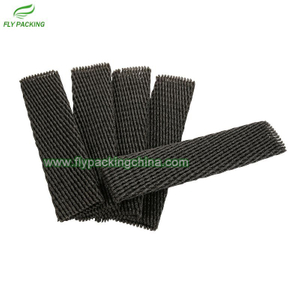
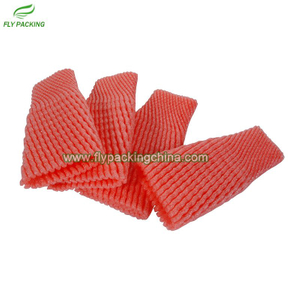
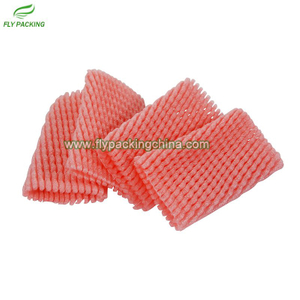
Foam netting sleeves: Lightweight, stretchable mesh that wraps around individual fruits like apples, pears, and citrus.
Foam cushions: Pre-cut pads placed between layers of fruit in a crate or box.
Foam sheets: Flat rolls used to line the inside of cartons for broader surface protection.
Backer rods: Flexible foam rods sometimes used to fill gaps in packaging corners, preventing shifting during transport.
Fruit protection paper bags: Breathable bags used for grapes and mangoes, often combined with foam elements for extra cushioning.
Grape and berry exporters, in particular, look for nets for fruit that stretch without tearing, since these crops bruise at the slightest pressure. A well-fitted net distributes pressure evenly across the fruit's surface instead of concentrating force at a single point.
Expanded polyethylene (EPE) foam is one of the most widely used materials in fruit packaging because it combines flexibility, cushioning strength, and low cost. The table below compares common foam-based protective materials by key characteristics relevant to fresh produce exporters.
Material Type | Typical Use | Cushioning Level | Ventilation | Reusability |
|---|---|---|---|---|
Single layer foam net | Light fruit (apples, citrus) | Moderate | High | Single use |
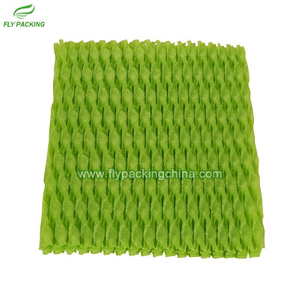
Double layer foam net | Heavier or delicate fruit (mangoes, avocados) | High | Moderate | Single use |
Foam cushion pad | Crate-to-crate separation | High | Low | Limited reuse |
Foam sheet roll | Carton lining | Moderate | Low | Single use |
Backer rod | Gap filling, edge protection | Low | N/A | Single use |
Exporters shipping over long distances or through multiple transfer points often favor an epe foam net for fruit because the material retains its shape under repeated pressure and resists moisture absorption better than paper-based alternatives. This durability makes it a practical choice for sea freight, where shipments can spend weeks in transit.

Selecting the correct material depends on the fruit's fragility, the shipping duration, and the packing line's existing equipment. Consider the following criteria when comparing options:
Fruit fragility: Soft-skinned fruit like peaches and plums need thicker cushioning than firmer fruit like apples.
Shipping distance and duration: Longer transit times call for materials that resist compression over time, such as double layer netting.
Climate conditions: Humid routes benefit from breathable materials that limit condensation buildup.
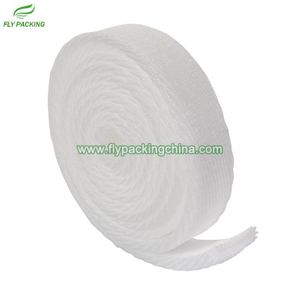
Packing line compatibility: Foam net rolls work well with automated sleeve machines, while pre-cut cushions suit manual packing stations.
Cost per unit at scale: Bulk foam net rolls typically offer a lower per-unit cost than individually cut sleeves for high-volume operations.
Single layer foam net is better suited for exporters packing firmer fruit on tight margins, while double layer foam net works best when the cargo includes delicate, high-value produce that cannot tolerate surface contact during loading and unloading.
Export packaging materials should meet food-contact safety standards and be free of substances that could transfer odor or residue to the fruit. Reputable manufacturers test their foam products for compliance with destination-market regulations, particularly for shipments heading to the EU, North America, or Australia, where biosecurity and food-contact rules are strictly enforced.
Packhouses also benefit from working with suppliers who offer consistent sizing and color-coding across foam net batches, since this helps quality control teams quickly identify the correct grade for each fruit variety on a fast-moving packing line. According to industry sourcing practices common among Chinese foam net manufacturers, suppliers that provide free samples and respond to inquiries within 12 hours tend to reduce onboarding time for new export partners.
Q: How long does foam netting last once it's wrapped around fruit?
A: Foam netting is designed for single use and typically stays effective from the packhouse through final retail display, usually a window of one to four weeks depending on storage conditions.
Q: Can foam nets be recycled after use?
A: Most polyethylene foam nets are recyclable through facilities that accept soft plastics, though recycling availability depends on local waste management programs.
Q: Does foam netting work for vegetables as well as fruit?
A: Yes, the same netting materials used for apples and citrus are also applied to firm vegetables like cucumbers and bell peppers that require cushioning during transit.
Q: What sizes are available for foam fruit nets?
A: Foam fruit nets typically range from small sleeves for cherries and limes to larger double layer formats for mangoes, avocados, and grapefruit, with custom sizing available from most manufacturers.
Q: Is foam netting suitable for both air and sea freight?
A: Foam netting performs well in both shipping methods, though sea freight shipments often use double layer netting or added foam cushions because of the longer transit time and additional handling involved.
Protecting fresh fruit during export comes down to matching the right cushioning material to the fruit's fragility, the shipping route, and the packing line's capabilities. Foam netting, foam cushions, foam sheets, and backer rods each serve a distinct role in preventing bruising, scuffing, and compression damage between the packhouse and the retail shelf. Exporters who evaluate fruit type, climate exposure, and transit duration before selecting their materials typically see fewer rejected shipments and more consistent product quality on arrival. For exporters sourcing these materials, manufacturers like Fly Packing Co., Limited (www.flypackingchina.com) offer a range of foam net, foam cushion, and foam sheet products built specifically for fresh fruit and vegetable logistics, along with sample support for packhouses evaluating new packaging lines.

| | 1/F, NO.81, CHANGZHEN ROAD, SHUIKOU TOWN, KAIPING CITY, GUANGDONG, CHINA |
| | +86-0-136 3183 6942 / +86-0-134 2677 9895 +86-750-2280358 |
| |