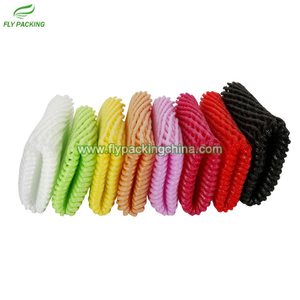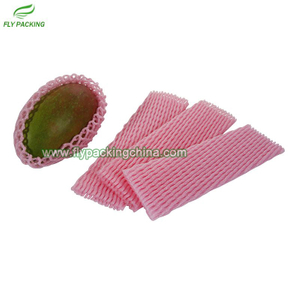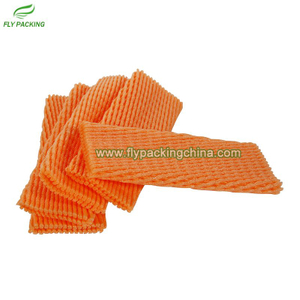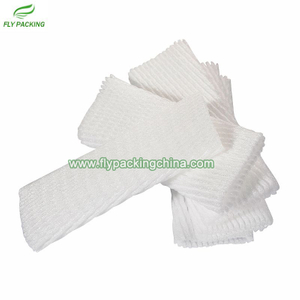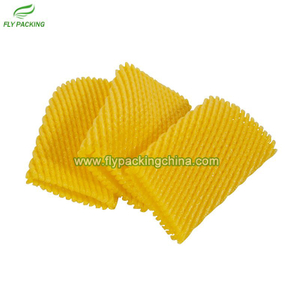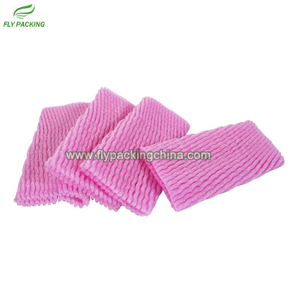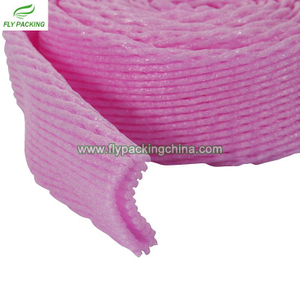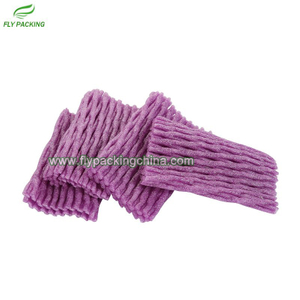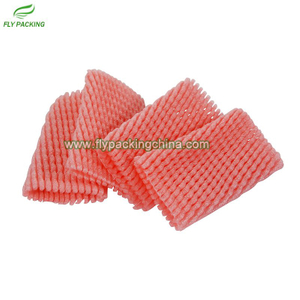

Foam nets protect fresh produce from bruising, scratching, and impact damage during transit. Single-layer options suit lighter fruits, while double-layer designs add extra cushioning for heavier or more delicate produce. Sourcing from a specialized manufacturer ensures consistent quality, reliable s

Long-distance freight puts constant pressure on delicate cargo. Vibration, stacking loads, and shifting weight cause most damage—not dramatic accidents, but slow, grinding contact over hundreds of miles. For growers, packers, and exporters, that damage eats directly into profit margins.Foam mesh sle

Bottles break for one simple reason: they move when they shouldn't. A wine bottle knocking against a crate wall, a glass jar rubbing its neighbor, a perfume flacon vibrating loose during a long haul—these small motions add up to cracks, scratches, and shattered goods by the time a package arrives.Fo

Post-harvest losses cost farmers billions every year. A bruised mango, a cracked pear, a scratched apple—this kind of damage rarely happens in the field. It happens in transit, during loading, stacking, and the long journey between farm and market. Packaging is where that battle is won or lost.Acros

Fresh produce and fragile goods face constant threats during transit. Vibration, pressure, friction, and shifting loads cause surface damage long before a product reaches its destination. For growers, packers, and exporters, the difference between a profitable shipment and a damaged one often comes

Fresh fruit is fragile. A single crate of mangoes or a pallet of apples can suffer significant surface damage during transit—not from dramatic accidents, but from the slow, grinding pressure of vibration, shifting weight, and poor gap control. Choosing the right cushioning material, sized correctly

Every damaged shipment tells the same story: something moved when it shouldn't have. A glass bottle shifted inside a crate. An apple pressed too hard against another. A ceramic piece absorbed one too many road vibrations. The result is the same—spoiled product, wasted effort, and a customer on the o

Damaged goods are expensive. A single shipment of bruised mangoes or cracked bottles can erase the margin on an entire container. For exporters managing long-haul freight across multiple climates and handling conditions, packaging isn't a secondary concern—it's a core operational decision.Foam net p
Views: 13 Author: Site Editor Publish Time: 2024-04-09 Origin: Site
As consumers, we often take for granted the journey our fruits undertake before reaching our tables. However, behind every succulent peach or juicy apple lies a delicate process of cultivation, harvesting, and transportation. To ensure the safe arrival of these precious commodities, fruit protective packaging plays a vital role. This essay delves into the significance of fruit foam nets, protective sleeves, and other innovative packaging solutions in safeguarding fresh produce during transit, while also addressing their environmental impact and the quest for sustainable alternatives.
The Evolution of Fruit Protective Packaging: The need for fruit protective packaging arose from the challenges posed by transportation and distribution. Historically, fruits were transported in bulk, often resulting in bruising, crushing, and spoilage during transit. To address these issues, manufacturers began developing protective packaging solutions designed to cushion and shield fruits from external impacts and environmental factors. Foam nets, protective sleeves, and other soft foam materials emerged as effective tools for preserving the integrity and freshness of fruits during shipment.
Fruit Foam Nets: Cushioning Nature's Delicacies: Fruit foam net, also known as fruit foam sleeves or fruit foam mesh, are designed to encase individual fruits, providing a soft and protective barrier against damage. These nets are typically made from lightweight, flexible foam materials that conform to the shape of the fruit, preventing bruising and abrasions during handling and transportation. Fruit foam nets are particularly popular for delicate fruits such as peaches, pears, and plums, which are susceptible to damage from impact and pressure.
Protective Sleeves: Safeguarding Against External Factors: In addition to foam nets, protective sleeves offer an added layer of defense against external factors such as moisture, dust, and pests. These sleeves are usually made from breathable materials such as mesh or perforated plastic, allowing air circulation while protecting fruits from contamination. Protective sleeves are commonly used for fruits with thin skins or delicate surfaces, such as berries and grapes, which require extra care to prevent spoilage and deterioration.
Soft Foam Fruit Protection Net: Balancing Protection and Sustainability: While fruit protective packaging serves a crucial role in preserving freshness and quality, concerns have been raised about its environmental impact. Traditional foam materials, such as expanded polystyrene (EPS) foam, are non-biodegradable and contribute to plastic pollution when disposed of improperly. To address these concerns, manufacturers have begun exploring alternative materials and sustainable packaging solutions. Soft foam fruit protection nets made from biodegradable or recyclable materials offer a promising solution, combining the cushioning properties of foam with eco-friendly attributes.
Environmental Considerations and Sustainable Alternatives: As awareness of environmental issues grows, there is a growing demand for sustainable alternatives to traditional fruit protective packaging. Biodegradable materials such as cornstarch-based foam, recycled paper pulp, and compostable plastics offer viable alternatives to conventional foam materials. These materials decompose naturally over time, minimizing environmental impact and reducing the accumulation of plastic waste in landfills and oceans. Additionally, innovative packaging designs, such as reusable mesh nets or collapsible cardboard trays, promote eco-friendly practices and reduce the reliance on single-use packaging fruit sleeve.
The Importance of Sustainable Practices: While fruit protective packaging plays a crucial role in preserving the freshness and quality of produce, it is essential to prioritize sustainability and environmental stewardship in packaging practices. By adopting sustainable materials and practices, manufacturers can minimize the ecological footprint of fruit packaging while ensuring the safe and efficient transport of fresh produce. Consumers can also play a role by supporting brands and retailers that prioritize sustainable packaging solutions and by practicing responsible waste management and recycling.
Fruit protective packaging, including foam nets, protective sleeves, and soft foam fruit protection nets, plays a vital role in safeguarding the integrity and freshness of fresh produce during transportation and distribution. While these packaging solutions offer essential protection against damage and spoilage, there is a growing recognition of the need to balance functionality with sustainability. By embracing innovative materials and eco-friendly practices, the fruit packaging industry can minimize its environmental impact and contribute to a more sustainable future for agriculture and food distribution. As consumers, we can also make informed choices and support brands that prioritize sustainable packaging solutions, ensuring that future generations can continue to enjoy nature's bounty without compromising the health of the planet.

| | 1/F, NO.81, CHANGZHEN ROAD, SHUIKOU TOWN, KAIPING CITY, GUANGDONG, CHINA |
| | +86-0-136 3183 6942 / +86-0-134 2677 9895 +86-750-2280358 |
| |