Views: 13 Author: Site Editor Publish Time: 2023-05-16 Origin: Site
When it comes to packaging fresh produce, protecting the fruits during transportation and storage is of utmost importance. Foam netting and foam fruit wrappers have emerged as practical and effective solutions in the realm of produce packaging. These foam-based materials provide cushioning, ventilation, and insulation, ensuring the preservation and quality of fruits. In this article, we will explore the benefits of foam netting and foam fruit wrappers, highlighting their role in maintaining the freshness and safety of fresh produce.
Foam Netting: Cushioning and Protection
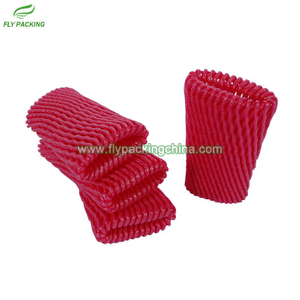
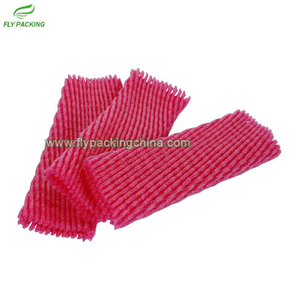
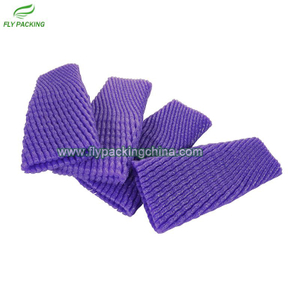
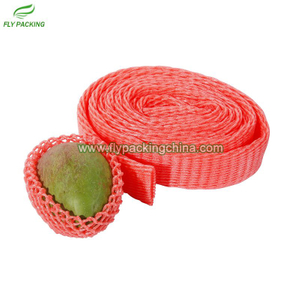
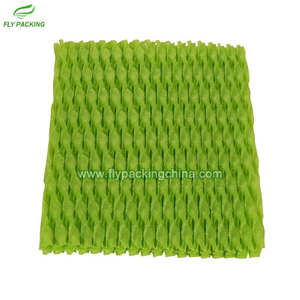
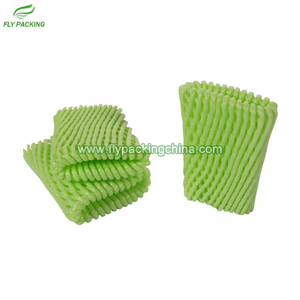
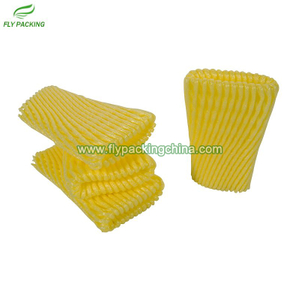
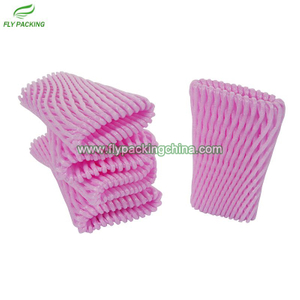
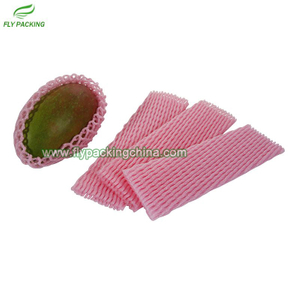
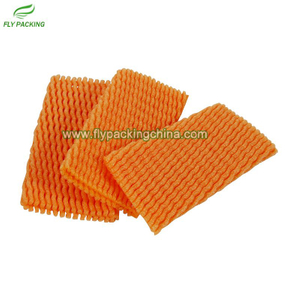
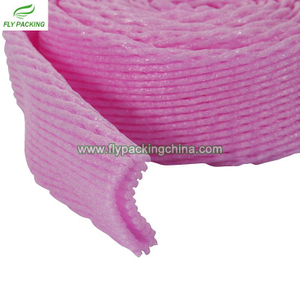
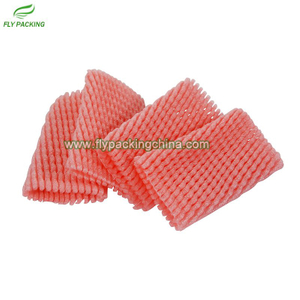
Foam netting is a versatile packaging material designed specifically for fruits and other delicate produce items. The netting is made from lightweight and flexible foam material that securely holds the fruits in place while providing cushioning and protection against external impact during transportation and handling.
The foam netting acts as a protective layer that prevents bruises, scratches, and damage to the fruits. It effectively absorbs shocks and minimizes the risk of bruising, ensuring that the fruits reach consumers in optimal condition. The open structure of the netting also allows for air circulation, which helps prevent moisture buildup and maintain the freshness of the fruits.
Foam Fruit Wrappers: Individual Protection and Insulation
Foam fruit wrapper is individual foam sleeves or pouches that encase each piece of fruit. These wrappers provide an additional layer of protection and insulation for each fruit, ensuring its safety and quality throughout the supply chain.
The foam material acts as an insulator, protecting the fruits from extreme temperature fluctuations during transportation and storage. It helps maintain the ideal temperature for the fruits, minimizing the risk of spoilage and extending their shelf life.
Foam fruit wrappers also act as a barrier against physical damage. They shield the fruits from potential impacts, abrasions, and moisture, preserving their appearance and integrity. The wrappers can be custom-sized to fit different fruit varieties, accommodating various sizes and shapes.

Advantages of Foam Netting and Foam Fruit Wrappers
Shock Absorption: Fruit foam netting and foam fruit wrappers have excellent shock-absorbing properties. They provide a cushioned barrier that absorbs impacts and vibrations, reducing the risk of damage to the fruits during transportation.
Ventilation: The open structure of foam netting allows for proper air circulation, preventing the buildup of moisture and maintaining the freshness of the fruits. This ventilation helps reduce the risk of mold growth and prolongs the shelf life of the produce.
Lightweight and Cost-Effective: Foam netting and foam fruit wrappers are lightweight, which contributes to lower transportation costs. The materials are cost-effective compared to other packaging alternatives, providing an efficient and economical solution for fruit packaging.
Customizable and Easy to Use: Foam netting and foam fruit wrappers can be easily customized to fit various fruit sizes and shapes. They are simple to use, allowing for quick and hassle-free packaging of fruits.
Environmentally Friendly Options: In recent years, eco-friendly foam netting and foam fruit wrappers made from biodegradable or recyclable materials have become available. These sustainable options offer the same benefits as traditional foam packaging while reducing environmental impact.
Consumer Perception and Convenience
The use of foam netting and foam fruit wrappers also positively impacts consumer perception and convenience. The foam packaging provides a visual appeal, giving a clean and organized appearance to the fruits. It instills confidence in consumers by demonstrating that the fruits have been handled with care and are protected from external contaminants.
Moreover, foam netting and foam fruit wrappers make it easier for consumers to handle and store the fruits. The individual packaging allows for easy identification and selection of the desired fruit, while also offering the convenience of portion control and reducing waste. Consumers can easily grab a single fruit without disturbing others, and the portion control aspect helps in reducing overconsumption and food waste.
Additionally, the foam packaging provides a hygienic barrier between the fruit and external factors, such as germs, dust, and handling by multiple people. This reassures consumers about the safety and cleanliness of the produce they purchase.
Conclusion
Foam netting and foam fruit wrappers offer practical and effective solutions for packaging fresh produce. These foam-based materials provide cushioning, ventilation, and insulation, ensuring the preservation and quality of fruits during transportation and storage. The shock-absorbing properties, ventilation, and customizable features of foam netting and foam fruit wrappers contribute to maintaining the freshness and safety of the produce. Moreover, these packaging solutions positively impact consumer perception, convenience, and portion control while reducing waste.
As the demand for fresh produce continues to rise, the need for reliable and efficient packaging solutions becomes increasingly important. Foam netting and foam fruit wrappers have proven to be valuable tools in protecting fruits and ensuring their quality from farm to table. By utilizing these packaging options, producers and consumers can enjoy the benefits of extended shelf life, reduced spoilage, improved hygiene, and enhanced convenience.
However, it's important to consider the environmental impact of foam packaging. Manufacturers and consumers alike should explore and adopt eco-friendly alternatives, such as biodegradable or recyclable foam materials, to minimize the environmental footprint of foam packaging.
In conclusion, foam netting and foam fruit wrappers offer numerous benefits for packaging fresh produce. From cushioning and protection to ventilation and convenience, these foam-based materials contribute to maintaining the quality and safety of fruits while meeting consumer expectations. As the industry continues to evolve, embracing sustainable alternatives will further enhance the positive impact of foam packaging on both the produce and the environment.

| | 1/F, NO.81, CHANGZHEN ROAD, SHUIKOU TOWN, KAIPING CITY, GUANGDONG, CHINA |
| | +86-0-136 3183 6942 / +86-0-134 2677 9895 +86-750-2280358 |
| |