Views: 9 Author: Site Editor Publish Time: 2025-05-15 Origin: Site
Choosing the right packaging solutions is critical for any business wanting to deliver products safely and efficiently. For industries focusing on lightweight, delicate, or oddly-shaped items, "one side tapered foam net" packaging has quickly become a favorite. This blog dives deep into what makes the one side tapered foam net a standout in fly packing, how it works, and why you should consider it for your next shipment.
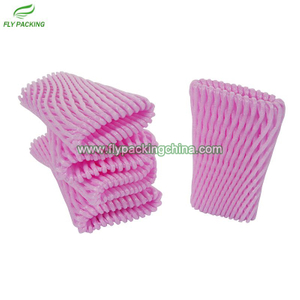
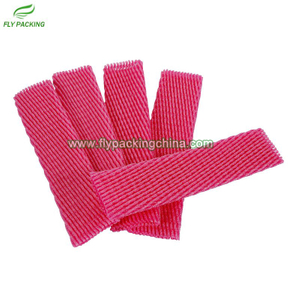
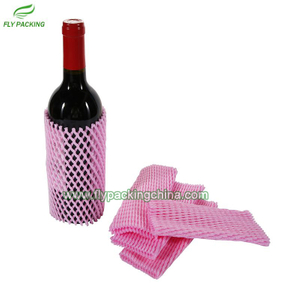
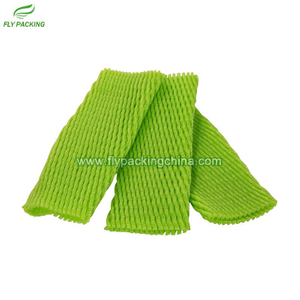
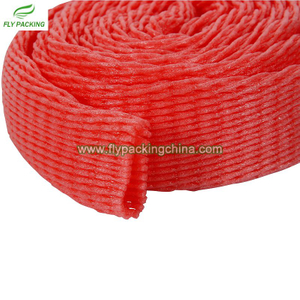
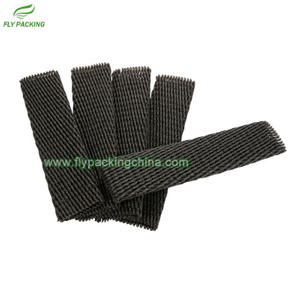
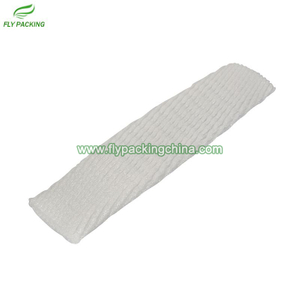
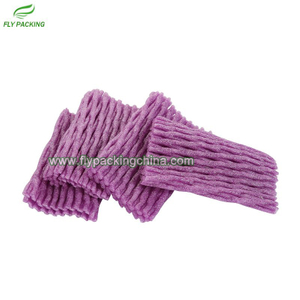
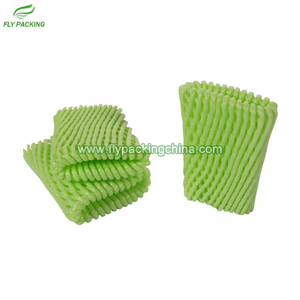
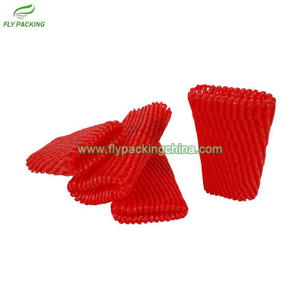
A one side tapered foam net is a protective sleeve widely used in packaging. Made from lightweight polyethylene foam, this netting features a distinctive design where one end is wider than the other, creating a secure fit for objects with varying diameters. The material is both flexible and strong, able to absorb shocks and prevent scratches. While it is commonly seen in fruit transportation or delicate electronics, its main role in fly packing is quickly gaining attention.
Traditional packaging nets maintain a uniform width, but the one side tapered foam net offers a shaped fit. This makes it especially useful for packing items that are wider at one end, preventing unnecessary movement inside packaging. For fly packing—which demands that products remain as stationary as possible during transit to avoid damage or shifting weight—the secure grip of the one side tapered foam net makes a real difference.
The primary goal of fly packing is to maximize the efficiency and safety of shipments. Using lightweight, adaptable padding is crucial to keep products safe without adding significant weight. The one side tapered foam net achieves this balance beautifully. Its foam structure absorbs shocks, cushions impacts, and prevents abrasions, acting as a reliable barrier between items and the rough realities of transport.
From glassware and ceramics to sensitive parts and luxury goods, the versatility of one side tapered foam nets is unmatched in fly packing. The ability to resize and adapt to different product dimensions ensures a snug fit for every scenario.
· Glass and Fragile Products
The one side tapered foam net protects against chips, cracks, and scrapes during fly packing.
· Electronics and Precision Parts
Static-free foam options keep sensitive equipment secure and operational.
· Produce and Food Items
Their breathable mesh structure helps prevent bruises and moisture buildup during long-haul fly packing.
Shipping costs often hinge on total packed weight. Using a one side tapered foam net helps keep expenses low, especially in fly packing where weight limits are strictly enforced. The lightweight design doesn't sacrifice protection, giving you the best of both worlds.
The tapered end of the foam net allows it to slip on easily, streamlining packing lines where speed and consistency matter. Workers can quickly secure fragile items for fly packing, reducing handling time and increasing throughput.
Fly packing sometimes involves non-standard shapes that traditional packaging struggles to accommodate. The one side tapered foam net adapts with ease, providing custom-fit protection for bottlenecks, spouts, bulbs, or tapered vials.
Sustainability matters more each year. One side tapered foam nets can be reused multiple times, and many are made from recyclable materials. After fly packing is complete, these nets can protect products in warehouses or during retail shipment, extending their useful life.

1. Choose the Correct Size
Select a one side tapered foam net with an opening large enough for your product’s widest section.
1. Align the Tapered End
Slip the wider end over the product’s broadest surface. Gently ease the net along the item, letting the fit tighten as you approach narrower sections.
1. Secure the Edges
Make sure the net covers all critical surfaces. If needed, double-layer for extra protection, especially when fly packing highly fragile goods.
1. Place in Fly Packing Container
Insert the protected item in its designated box or crate. The one side tapered foam net will prevent direct contact with hard sides and other contents.
1. Repeat as Needed
Foam nets can be cut to size or overlapped for larger products, adding versatility to your fly packing process.
Fruit exporters rely heavily on the one side tapered foam net to protect produce on international flights. Apples, mangos, pears, and peaches each benefit from the net’s breathability and shock absorption, arriving at destination markets in pristine condition.
A single static discharge or bump could render precision electronics useless. One side tapered foam nets, especially those with anti-static treatments, help maintain the value and functionality of sensitive components through every stage of fly packing and transit.
Artisans and dealers of ceramics, glass, and collectibles have adopted the one side tapered foam net as a low-cost insurance policy during fly packing. The nets prevent direct contact, lowering the risk of cuffing, scratching, or worst-case shattering in turbulent conditions.
· Material Density
Thicker or denser nets provide more protection for heavier or particularly valuable items.
· Mesh Size
Finer mesh provides more uniform support, ideal for fly packing glass or sensitive electronics.
· Product Dimensions
Always select a net size and taper that fits your product’s actual measurements.
· Environmental Requirements
If exporting fresh goods, look for food-grade, breathable one side tapered foam nets; for electronics, choose anti-static variations.
· Combine a one side tapered foam net with outer packaging like cartons or crates for maximum defense against shocks and vibrations.
· Double-layer fragile goods with two overlapping nets for added shock absorption.
· Keep fly packing assembly lines organized with pre-cut nets of assorted sizes for fast access.
· Encourage customers to reuse the nets on return shipments, increasing sustainability and customer goodwill.
Switching to a one side tapered foam net system can transform your approach to packaging and logistics. If you ship fragile or unique products by air, integrating these foam nets into your fly packing process simply makes sense.
Consider these actions:
· Audit your current fly packing operations to spot where products could benefit from tapered foam net protection.
· Test different sizes and densities of one side tapered foam nets with your most sensitive items.
· Train your packing team to use and reuse nets to maximize both product safety and long-term savings.
· Supplier catalogs often provide net size charts and compatibility guides for various industries.
· Packaging trade associations publish white papers on advanced foam netting solutions and their performance in fly packing.
· Consultation with logistics experts can help assess the specific needs of your supply chain.
By focusing on quality packaging with the versatility and security offered by the one side tapered foam net, your fly packing process will not only meet industry standards but exceed customer expectations.

| | 1/F, NO.81, CHANGZHEN ROAD, SHUIKOU TOWN, KAIPING CITY, GUANGDONG, CHINA |
| | +86-0-136 3183 6942 / +86-0-134 2677 9895 +86-750-2280358 |
| |