Views: 7 Author: Site Editor Publish Time: 2025-05-20 Origin: Site
If you’re exploring durable, safe, and visually appealing packaging for your fresh produce, EPE Foam Cushion Fruits might be your best-kept secret. This innovative solution goes beyond the basics, merging protection with presentation. Whether you’re a grower shipping delicate apples, a supermarket manager displaying peaches, or a logistics expert concerned about fruit quality after long-haul fly packing, EPE Foam Cushion Fruits offer a competitive advantage.
Wondering how these foam wonders work? This guide breaks down what EPE Foam Cushion Fruits are, why they're reshaping fruit packaging, and how fly packing is revolutionizing fresh produce logistics. By the end, you’ll know exactly how to keep your fruit fresher, safer, and far more appealing for your customers.
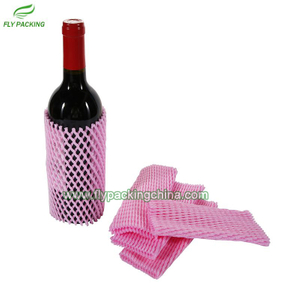
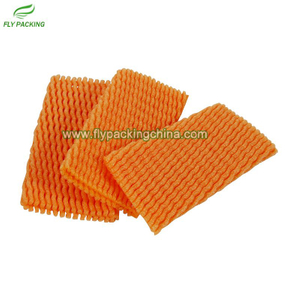
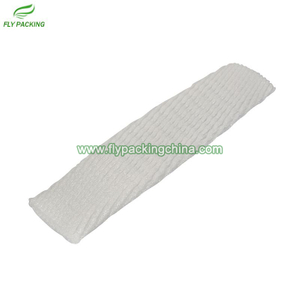
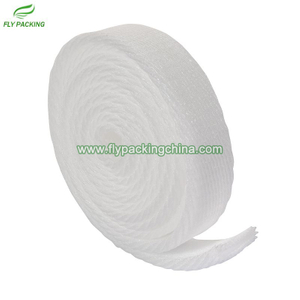
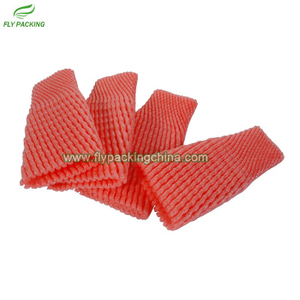
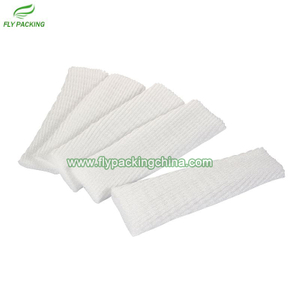
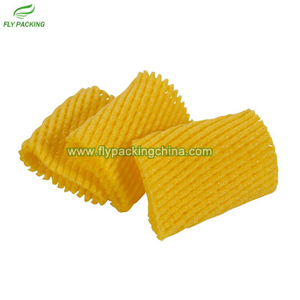
EPE Foam Cushion Fruits are soft, lightweight, and flexible foam nets designed to wrap individual fruits. The ‘EPE’ stands for Expanded Polyethylene, a material known for exceptional cushioning and shock absorption. These foam cushions are specially shaped into stretchy sleeves (often honeycomb-patterned) so you can encase apples, pears, mangoes, tomatoes, and more.
EPE Foam Cushion Fruits function as protective armor for your fresh produce. The foam netting cradles each fruit, guarding against bumps, bruises, and accidental impacts common in transit or on supermarket shelves. Their bright colors and uniform shapes also enhance product display, making fruits more visually attractive to customers.
· Shock Absorption
Expanded polyethylene disperses external force, helping prevent bruising or crushing during shipping and handling.
· Breathability
Netting design allows for airflow, reducing moisture buildup and minimizing spoilage.
· Lightweight and Flexible
EPE Foam Cushion Fruits add minimal weight, cutting shipping costs and making them easy to handle.
· Non-toxic and Food Safe
Made from inert materials approved for food contact, ensuring fruit surfaces remain uncontaminated.
· Eye-catching Designs
Available in various colors and sizes to suit different fruits and enhance their supermarket or market display.
When it comes to fresh fruit, packaging matters. Even with careful handling, traditional packing materials like paper or clamshells can’t match the shock-absorption ability of EPE Foam Cushion Fruits. The unique mesh design softly molds itself around each piece of fruit, distributing pressure and lowering the risk of surface damage or rot.
Retailers know the power of presentation. EPE Foam Cushion Fruits add a pop of color to displays, signaling cleanliness and freshness at a glance. Their uniform look keeps shelves orderly and attractive, inviting impulse purchases. Whether you’re showcasing red apples, fuzzy peaches, or shiny plums, adding foam cushions lets your produce stand out.
Although slightly more expensive than old-school alternatives, EPE Foam Cushion Fruits save money by reducing waste. Fewer damaged fruits means less loss for retailers and growers. Their light weight also helps cut transportation costs, especially important in bulk fly packing for air shipments.
Hygiene has never been more important. EPE Foam Cushion Fruits are manufactured from non-toxic, odorless, and food-grade expanded polyethylene. Many come individually wrapped and can be easily sanitized, reducing risk from handling, moisture, or cross-contamination.

Fly packing, or air-freight packaging, demands maximum protection with minimal weight. When fruit must travel thousands of miles, every ounce and inch of cushioning matters. EPE Foam Cushion Fruits have become a game changer for exporters aiming to reach distant markets while maintaining product quality.
· Weight Savings: Bulk air shipment is costly. The lightness of EPE foam nets ensures you maximize your cargo allowances.
· Impact Protection: Fragile fruit like strawberries or avocados remain intact, ensuring a better price and fewer losses upon arrival.
· Stackability: The geometrical design of EPE Foam Cushion Fruits allows for efficient stacking, filling cartons and crates without crushing.
· Moisture Control: The mesh construction reduces sweating and mold risk during long-haul flights.
A major mango exporter switching to EPE Foam Cushion Fruits for fly packing reported a 30% reduction in spoilage rates and a significant boost in buyer feedback due to improved fruit condition on arrival. That extra investment in EPE foam cushions paid for itself in just a single season.
You may ask, what about sustainability? EPE Foam Cushion Fruits are made from recyclable materials and, in many regions, can be recycled along with other polyethylene products. Advances are also being made in biodegradable and reusable foam nets, though mainstream adoption is still underway.
· Encourage customers to return or reuse foam nets.
· Partner with local recycling facilities for proper disposal.
· Opt for EPE Foam Cushion Fruits made from recycled materials or those advertised as biodegradable where possible.
While “EPE Foam Cushion Fruits” suggests a focus on fruit, these foam nets are remarkably versatile.
· Vegetables: Use for packing tomatoes, cucumbers, or delicate greens.
· Glass Bottles: Protect wine or olive oil bottles during shipping.
· Ceramics and Electronics: Prevent chips and cracks in small, fragile items.
· Gift Packaging: Enhance the unboxing experience for gourmet food baskets or subscription boxes.
Selecting the right foam netting depends on your produce type, size, and logistics needs. Here’s what you need to consider:
· Fruit Size: Get nets that fit snugly—not too tight or loose.
· Net Thickness: Thicker nets offer greater protection for very delicate fruit.
· Color Coding: Use different colors for branding, ease of sorting, or highlighting ripeness.
· Supplier Quality: Look for food-safe certifications and consider samples before buying in bulk.
· Train your packing team on correct application to avoid wasting nets or damaging fruit.
· Store foam nets in a clean, dry area to maintain food safety.
· Educate customers about the benefits and possible sustainability steps (like recycling or reuse).
EPE Foam Cushion Fruits are helping set the standard for modern, safe, and visually compelling fruit packaging solutions worldwide. With fly packing on the rise and markets demanding fresher, less damaged produce, foam nets will only become more important for growers, exporters, and retailers.
Businesses investing in quality EPE Foam Cushion Fruits are seeing lower losses, greater customer satisfaction, and more sustainable supply chains. Whether you're shipping apples across a continent or prepping berries for a local co-op, foam cushions deliver clear advantages.
EPE Foam Cushion Fruits aren’t just about cushioning fruit. They help businesses scale, reduce waste, appeal to customers, and adopt modern methods like fly packing. If you’re feeling the squeeze from damaged produce, lackluster display, or rising shipping costs, it’s time to give EPE Foam Cushion Fruits a closer look.
Want tailored advice for your fruit business, or need guidance on fly packing with EPE foam? Reach out to a supplier specializing in EPE Foam Cushion Fruits or speak with industry experts for a custom solution. Your produce (and your customers) will thank you.

| | 1/F, NO.81, CHANGZHEN ROAD, SHUIKOU TOWN, KAIPING CITY, GUANGDONG, CHINA |
| | +86-0-136 3183 6942 / +86-0-134 2677 9895 +86-750-2280358 |
| |