Views: 49 Author: Site Editor Publish Time: 2025-05-19 Origin: Site
When your business depends on delivering fresh fruit in perfect condition, the smallest packaging choice matters. Fruit foam cushions have quickly become the go-to solution for growers, packers, retailers, and anyone seeking to protect delicate produce during transport. This blog explores the key benefits of fruit foam cushion products, dives into EPE foam cushion fruits, unpacks how cushion foam nets work, and introduces Fly Packing’s approach to quality packaging.
You’ll learn which options offer the best protection, why EPE foam matters, and how cushion foam net innovations can help extend shelf life, reduce bruising, and cut returns.
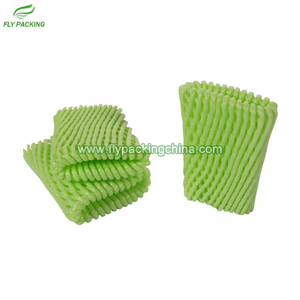
Fruit foam cushions are lightweight, flexible, and breathable materials designed to guard produce such as apples, pears, peaches, and mangos against impact and pressure. These cushions create a gentle buffer that prevents fruits from bumping into each other or their containers.
Why do businesses switch to fruit foam cushion materials?
A major driver is damage reduction. Fruit foam cushions are made from expanded polyethylene (EPE) or similar foam, which effectively absorbs shocks and protects delicate skin from abrasions. This softness means less bruising, a longer shelf life, and a more attractive product for the buyer. Fruit foam cushions are also easy to handle, recyclable, and cost effective in both small and bulk orders.
· Decrease in Shrinkage
Damaged fruit costs money. Foam cushions dramatically reduce bruising, scrapes, and blemishes by creating a soft nest around each individual fruit.
· Enhanced Presentation
Proper packaging lifts a product’s appearance. Fruit foam cushions help produce arrive looking fresh and unblemished, enhancing customer trust.
· Eco-Friendly Solutions
Quality fruit foam cushion products made from recyclable EPE foam mean your packaging supports sustainability goals.
· Greater Storage and Handling Efficiency
The structure of fruit foam netting allows for improved airflow, which helps regulate temperature and reduces the risk of spoilage.
Expanded polyethylene (EPE) is at the heart of most modern fruit foam cushion materials. But what makes EPE foam cushion fruits so special?
· Lightweight Yet Durable
EPE foam is exceptionally light, so it adds minimal weight to packaging while offering strong resistance to compression and impact.
· Non-Toxic and Food-Safe
EPE meets international food safety standards, so you can use it directly with consumables without worry.
· Flexible Customization
This foam can be squashed, stretched, or cut to suit nearly any fruit. Cylindrical, square, and custom shapes are common, ensuring the perfect fit.
· Thermal Insulation
EPE foam cushion fruits also help maintain optimal temperature during storage and transit, reducing the risk of spoilage due to temperature swings.
EPE foam cushion fruits are now standard across top export businesses and supermarket supply chains. Their adaptability means they’re suitable for everything from tiny plums to large mangos.
Fly Packing is an established supplier specializing in fruit foam cushions and foam netting. Their products use premium-grade EPE that’s tested for durability and performance. Whether you’re shipping domestically or exporting abroad, Fly Packing’s focus on quality means fewer losses and better presentation.
Brands and exporters choose Fly Packing for three reasons:
· They offer customizable sizes and colors to suit nearly every fruit varietal and container.
· Their EPE foam cushion fruits release minimal dust or debris, so the produce remains pristine.
· The company ensures reliable supply and short lead times for commercial clients.
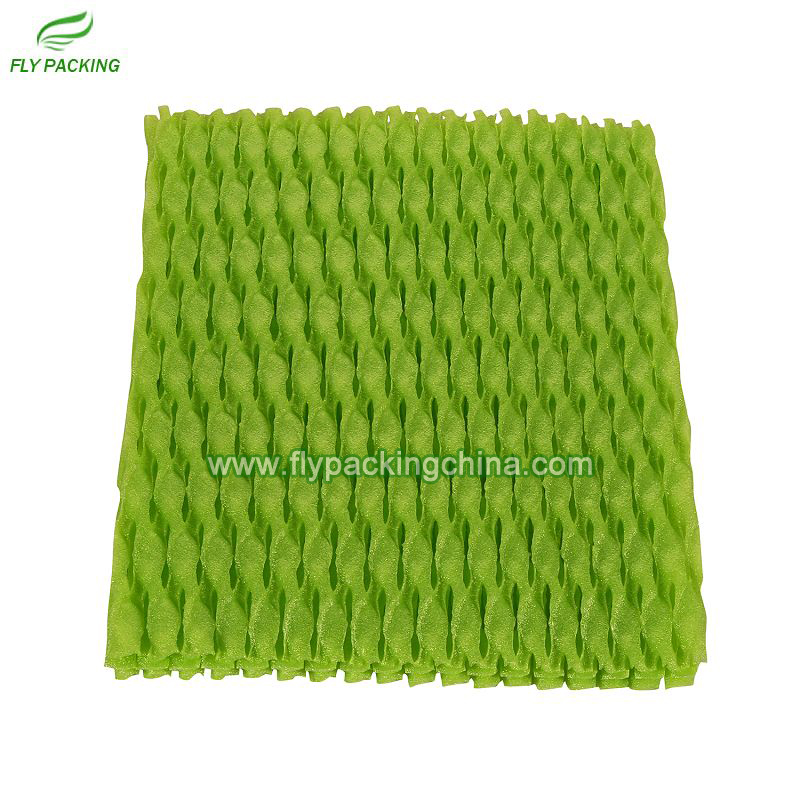
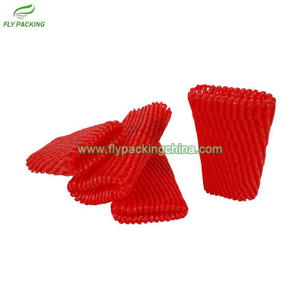
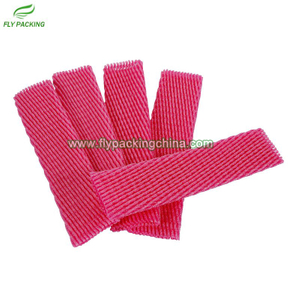
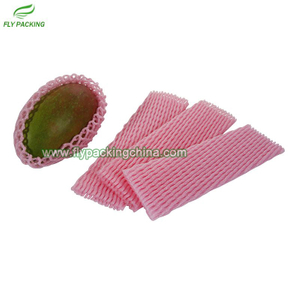
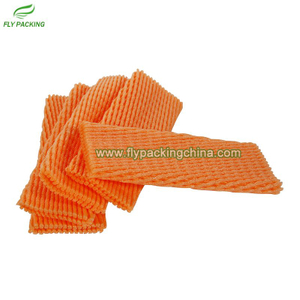
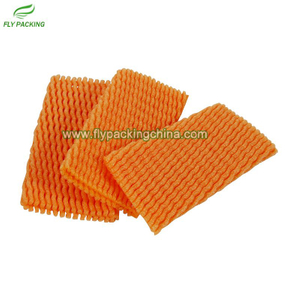
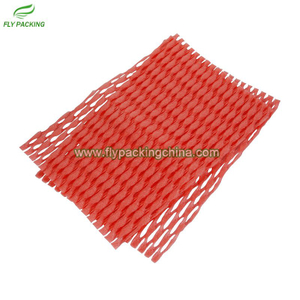
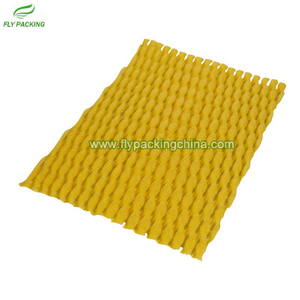
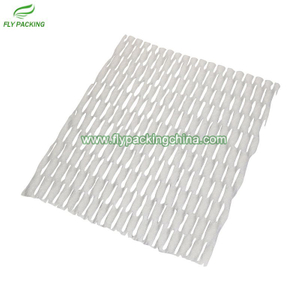
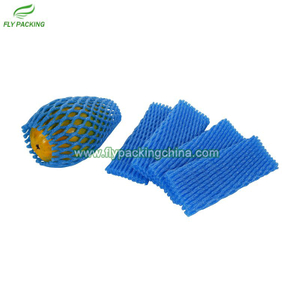
The cushion foam net is a clever, net-shaped wrap made from EPE foam. Unlike flat sheets, a cushion foam net surrounds each fruit, absorbing shocks and keeping produce from touching.
· 360-degree Protection
Nets conform to any shape, protecting fruit skin against pressure from all sides.
· Improved Air Circulation
The net’s open design promotes airflow, helping the fruit to stay fresh longer.
· Reduced Cross-Contamination
Because each fruit sits in its own net, even minor spoilage or mold issues are less likely to spread throughout a crate or box.
· Visual Appeal
Cushion foam nets are available in bright colors and can be branded, which helps products stand out on retail shelves.
Popular Applications:
Apples, pears, passionfruit, mangos, avocadoes, tomatoes, peaches, and pomegranates often travel better in cushion foam net packaging.
Foam netting and fruit foam cushion packs are designed to be reusable and recyclable. Many commercial operations now participate in recycling programs, collecting used foam nets from clients and returning them to processing plants.
Not every fruit or transport route is the same, so choosing the right type and thickness of cushion foam net or EPE foam cushion fruits is key.
· Fruit Size and Weight
Larger, heavier fruit requires thicker foam and a snugger fit.
· Transit Duration
Longer journeys need more robust cushioning to handle vibration, bumps, and weight stacking.
· Climate and Storage Environment
If your product will be exposed to varying temperatures, EPE’s insulating qualities can make a big difference.
· Packing Operations
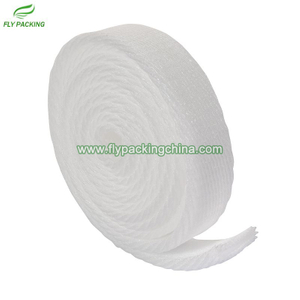
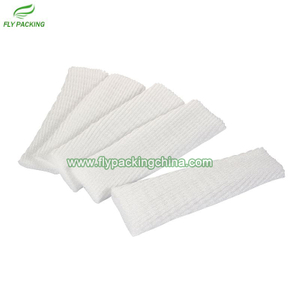
Consider whether you need pre-cut, roll, or sleeve foam packaging to streamline your workflow. Fly Packing provides options in all formats.
Clients working with Fly Packing can request samples or custom quotes for any variety or shipping challenge. Their technical support team helps select the ideal fruit foam cushion configuration for your needs, ensuring maximum protection with minimum waste.
Fruit foam cushion technology keeps evolving alongside advances in food safety and sustainability. Some of the current trends include:
· Bio-based EPE Foam
Innovations in foam chemistry are leading to options sourced partly from renewable plant materials.
· Smart Packaging
Integrating QR codes or sensors allows real-time temperature tracking or origin verification directly on the foam net.
· Branding and Color Coding
Custom-colored foam nets make it easier for supermarkets to identify varieties and increase visual appeal.
Major supermarkets and exporters are quick to adopt innovative fruit foam cushion products as customer expectations for freshness and sustainability grow.
Durable, high-quality fruit foam cushion packaging is proven to cut returns and complaints. When fruit arrives free of scrapes and bruises, buyers notice. Superior cushioning also means your shipments have a longer window for sale, reducing waste and lost revenue.
A citrus exporter in Southeast Asia partnered with Fly Packing to switch to thicker EPE foam cushion fruits for their long-distance exports. The result? An 18 percent drop in bruising-related returns and a 12 percent boost in positive retailer reviews.
Fruit foam cushion solutions are changing the way the produce industry thinks about packaging, combining superior protection, sustainability, and branding advantages. Whether you ship apples across the state or mangos across oceans, the right cushion foam net or EPE foam cushion fruits can make the difference between a premium shelf display and a costly return.
Explore the innovative products at Fly Packing for customizable, high-quality fruit foam cushion options designed for every type of produce and transit scenario. Reduce waste, impress your clients, and keep your produce looking as fresh as the day it was picked.

| | 1/F, NO.81, CHANGZHEN ROAD, SHUIKOU TOWN, KAIPING CITY, GUANGDONG, CHINA |
| | +86-0-136 3183 6942 / +86-0-134 2677 9895 +86-750-2280358 |
| |