
Every piece of fruit that leaves a farm faces a journey it was never built for. Trucks jolt over uneven roads, pallets shift inside shipping containers, and temperature swings stress delicate skins long before a mango or a bottle of wine reaches a store shelf. A single bruise, crack, or scuff can tu

Fresh produce travels a long road before it reaches a grocery shelf or a dinner table. Along the way, bruising, compression, and surface scratches can turn a perfectly ripe piece of fruit into something no shopper wants to pick up. For growers, packers, and exporters, the margin between a saleable c

Fresh produce travels thousands of miles before it reaches a dinner table, and every mile adds risk. A single bruise on a mango or a hairline crack in a wine bottle can turn a profitable shipment into a loss. Packers, exporters, and growers have spent decades looking for materials that absorb shock

Mangoes are among the most bruise-prone fruits moved through global supply chains. Their thin skin and soft flesh mean even a light knock during loading or transport can leave a mark that shows up days later at the retail shelf. For growers and exporters, that kind of damage translates directly into

Bottles break for one simple reason: they move when they shouldn't. A wine bottle knocking against a crate wall, a glass jar rubbing its neighbor, a shipment jostled by hours of highway vibration—these small motions compound into cracks, scratches, and shattered stock by the time a package reaches i

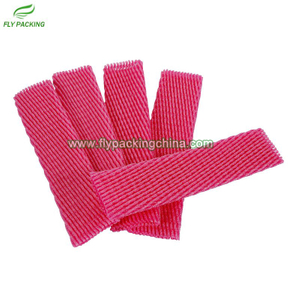
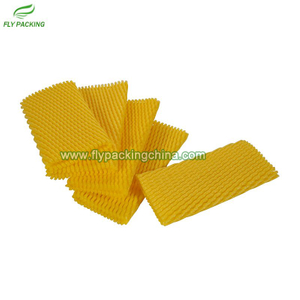
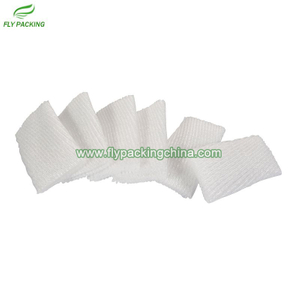
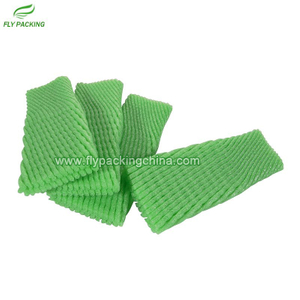
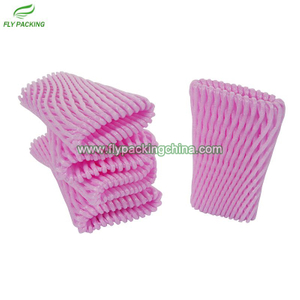
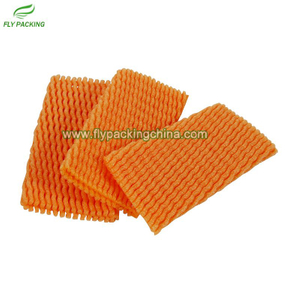
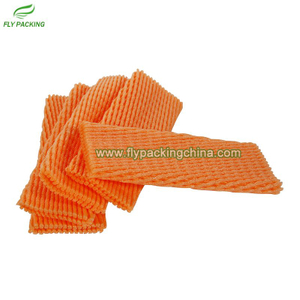
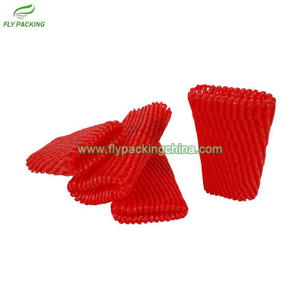
Foam nets protect fresh produce from bruising, scratching, and impact damage during transit. Single-layer options suit lighter fruits, while double-layer designs add extra cushioning for heavier or more delicate produce. Sourcing from a specialized manufacturer ensures consistent quality, reliable s

Long-distance freight puts constant pressure on delicate cargo. Vibration, stacking loads, and shifting weight cause most damage—not dramatic accidents, but slow, grinding contact over hundreds of miles. For growers, packers, and exporters, that damage eats directly into profit margins.Foam mesh sle

Bottles break for one simple reason: they move when they shouldn't. A wine bottle knocking against a crate wall, a glass jar rubbing its neighbor, a perfume flacon vibrating loose during a long haul—these small motions add up to cracks, scratches, and shattered goods by the time a package arrives.Fo
Views: 13 Author: Site Editor Publish Time: 2023-01-05 Origin: Site
In the global market for foam mesh sleeves, Asia Pacific has emerged as a key player. This region offers cheap labour and innovative technology to manufacturers. With the growing demand for organic and fresh produce, the demand for foam sleeves is increasing in the region.
The main drivers of the demand for foam mesh sleeves are the increasing consumption of food products in the region and the rising population of the working class. However, the rise in eco-friendly packaging will hamper the sale of these products.
Food packaging is increasing pollution and waste, and thus, governments are focusing on reducing single-use packaging. One such alternative is using paper shreds, paddy straws and coconut fibers as an eco-friendly material. These products have the ability to increase the shelf life of a product.
Another factor that is affecting the supply chain is post-harvest damages. Vegetables and fruits, which have short shelf lives, are highly vulnerable to damage during transportation. Hence, it is essential to pack them in a container that is able to protect them from any kind of damage.
Mesh is an effective way to cushion products. The material helps in air circulation and shock absorption. Therefore, it is commonly used in many industries.
Foam mesh is generally made of non-biodegradable foam. However, it is also made of polyester and nylon. Nylon is stronger than polyester and has a smoother texture. It is therefore, more suitable for applications requiring high aesthetic quality and user comfort.
When you need to protect your crops from the elements, a fruit mesh cover is a great choice. It can help to prevent damage caused by wind and hail, as well as keep pests away. This is particularly important if you have children or pets in the garden.
Fruit mesh covers can be made from a variety of materials. You can buy a solid plastic cover, foam plastic cover, or even a net cover. All of these types of products are designed to keep your fruits and vegetables safe. Using a good fruit mesh cover can improve the quality of your plants and increase the number of seeds you grow.
Choosing the right fruit mesh cover is crucial for anyone looking to grow a lot of fruits. A good mesh cover is a simple way to keep bugs, birds, and critters out of your produce. Having a good mesh cover will also help your fruit to stay fresher for longer.
The most effective fruit mesh cover is made from a high-quality material. One of the most popular materials is polyethene. This is a recyclable, environmentally friendly, and durable material. In addition, it is able to stand up to sun and UV damage, making it the perfect choice for protecting your fruits.
Another important feature is the ability to provide adequate ventilation. If you have an indoor fruit garden, a mesh cover is a great way to keep the air moving.
Foam mesh is a type of fabric used to make packaging materials. It is a soft, cushioning material which is often made of non-biodegradable foam. The material is used in a wide variety of industries, including healthcare, food and beverage, hygiene, transportation, waste water separation, and more.
Foam mesh is made from a variety of materials. The most common ones are polyester and nylon. Nylon is more durable and smoother than polyester. However, both fibers share characteristics of tear resistance, durability, and lightweight.
Polyester mesh is ideal for a wide range of applications. It is highly resistant to UV and heat, and is also able to withstand wear. This makes it ideal for outdoor environments, such as in the agricultural sector. In addition, it dries up faster than nylon.
Another popular material is a ventilator mesh, which is commonly used in wheelchair cushions. Mesh is also a common material in security. It can be used for pack straps and bags.
Other types of mesh include fruit mesh, which is designed to prevent insect damage. Fruits and vegetables are prone to decay and dehydration during transportation, and mesh covers help improve plant health.
Increasing demand for organic fresh produce is driving the market for foam sleeves. Also, post-harvest damages pose a threat to supply chains.
Asia Pacific is a major region influencing the global foam mesh sleeve market. The region has a large consumer base and innovative technology. Governments are also focused on reducing single-use packaging.

| | 1/F, NO.81, CHANGZHEN ROAD, SHUIKOU TOWN, KAIPING CITY, GUANGDONG, CHINA |
| | +86-0-136 3183 6942 / +86-0-134 2677 9895 +86-750-2280358 |
| |