Views: 10 Author: Site Editor Publish Time: 2022-11-03 Origin: Site
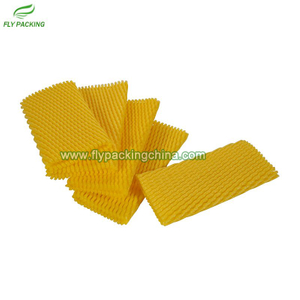
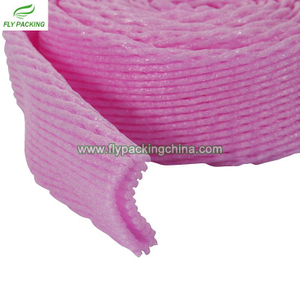
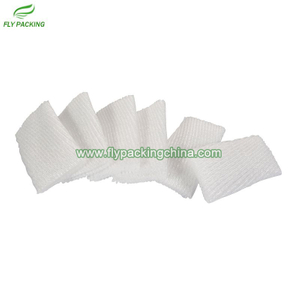
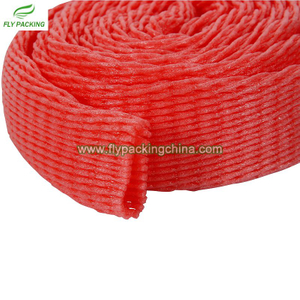
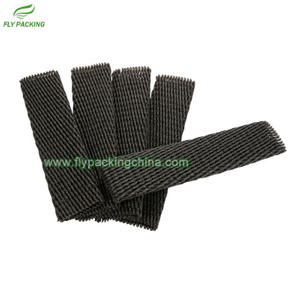
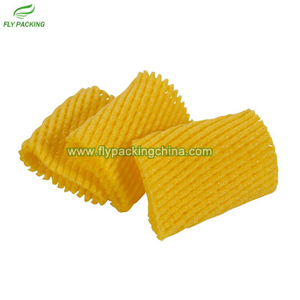
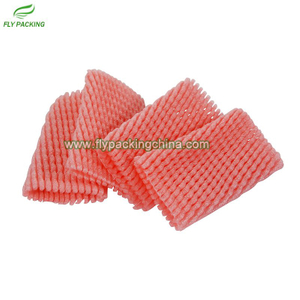
Foam netting is a useful packaging material for a variety of products. It protects products from scratches and other damage during transport. It is also ideal for glass bottle packing. It is manufactured using advanced technology and fine grade materials. It can be purchased in rolls or sheets. These products are very durable and will save you money over time.
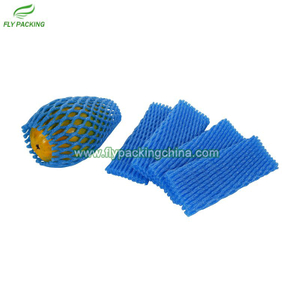
It can be used to protect delicate items in a variety of ways. For instance, foam netting can be placed around bottles and other soft produce. Alternatively, it can be used to protect glass containers during transportation. This material is also suited for shock protection and ensures scuff-free protection.
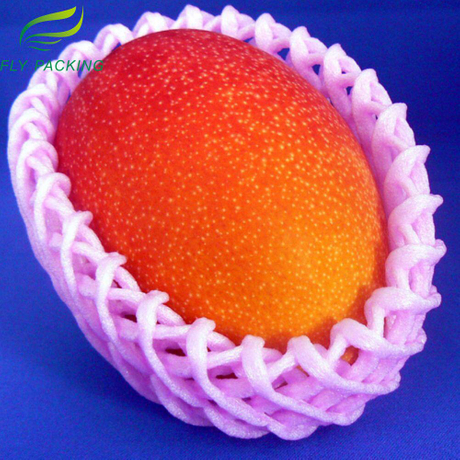
The foam fruit wrapper is the spongy Styrofoam netting that wraps an apple when you buy it at the market. While most people throw them away, there are several surprising uses for these wrappers. Here are a few of them: To protect fragile items, these wrappers absorb impact and act as a cushion for delicate items. They can also be reused to clean toilets and dishes.
Another use for foam fruit wrappers is as coasters. These can be placed between a cushion and a wooden surface, preventing it from slipping off. They can also be used to protect leftover fruit or eggs. The foam prevents them from breaking, which helps to keep them safe. In addition, you can even place them on a bar of soap to absorb the moisture.
The type of cushioning materials used for the wrapper can also affect the physical quality of the fruit during transport. Different materials were evaluated for their ability to reduce vibration levels and prevent bruises and mechanical damage to the fruit. For comparison, pears wrapped in a paper package and a net package are shown in Figure 1 before being placed into the RPC.
Mechanical damage to fruit is a serious problem during transportation. The impact of a fall on a fruit can cause significant bruising, especially when it is a bruise-sensitive variety. This damage can be prevented by understanding the impact energies of falling on fruit. By using the right packaging practices, you can reduce the frequency of physical bruising and prolong the shelf life of your fruit.
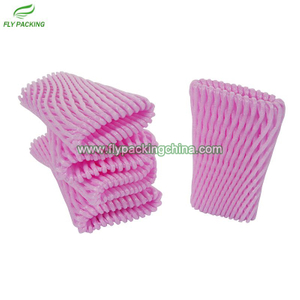
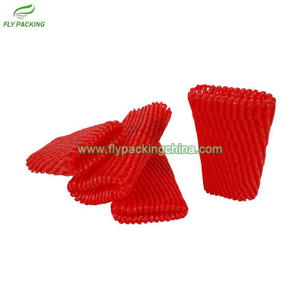
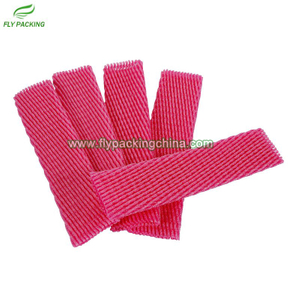
Fruit foam netting is an excellent way to protect your fruit products. It not only improves the look of the package, but also protects them from pests and other forms of damage. It can be purchased in bulk for bulk packaging, and can be customized to fit the needs of your specific product.
If you're interested in buying fruit foam netting, it's important to look for a high-quality product. There are many different kinds of foam fruit netting and each one has different features. The quality of the product depends on the manufacturing process. Choose nets that have a firm plastic that won't easily open and have a smooth plastic surface.
Fruit foam netting is available in many sizes and colors. It is non-toxic and has no extraneous odor. It can be used for packaging a variety of items, from delicate fruits to delicate food. It comes in single and double-side tapered options. When ordering, place a 30% deposit.
Foam netting is also ideal for tea light lamps. You can weave cellophane paper through the holes in the foam netting to add a festive touch. Make sure the paper matches the color scheme of the lamp. Be sure to place the candle in the center of the cylinder. Make sure the candle doesn't extend beyond the height of the bottle.


| | 1/F, NO.81, CHANGZHEN ROAD, SHUIKOU TOWN, KAIPING CITY, GUANGDONG, CHINA |
| | +86-0-136 3183 6942 / +86-0-134 2677 9895 +86-750-2280358 |
| |