
A single bruised apple can compromise an entire box. During shipping, apples are exposed to vibration, pressure, and friction—forces that cause surface damage long before the fruit reaches a retailer or consumer. The result is a costly chain of spoilage that growers, packers, and exporters deal with

Fresh fruit is vulnerable. A single bump in transit—a shift in the crate, pressure from adjacent boxes, or vibration on a long-haul truck—can bruise produce before it ever reaches the shelf. That bruising costs growers, packers, and exporters real money. Backer rod has emerged as a practical solutio

Foam netting has quietly become one of the most practical packaging materials in global supply chains. Growers, packers, exporters, and logistics companies rely on it daily—yet it rarely gets the attention it deserves. A bruised mango or a cracked bottle of wine might seem like a minor inconvenience

Fresh produce takes a beating on the way to market. A bump in a crate, a long haul over rough roads, or one tight squeeze can leave bruises that turn sellable fruit into waste. For growers, packers, and distributors, that loss eats straight into profits.Foam-based protective packaging gives you a si

Fresh fruit is delicate. A single drop, a tight squeeze in a crate, or a long ride over rough roads can leave bruises that turn good produce into waste. For growers, packers, and distributors, that damage adds up fast. Foam net offers a simple, affordable answer—a lightweight foam sleeve that hugs e

When construction professionals apply sealants to joints or cracks, they rarely fill the entire void with caulking material. Filling deep gaps entirely with sealant wastes expensive materials and causes the joint to fail under pressure. Builders solve this problem by inserting a cylindrical piece of

Every year, businesses lose significant revenue due to damaged shipments. Delicate items like glass bottles are particularly prone to shattering during transit. A single broken bottle can ruin an entire case, leading to lost revenue, replacement costs, and disappointed customers.To prevent these los

Every year, businesses lose massive amounts of revenue due to damaged shipments. Fruits easily suffer from bumps and bruises during transit, while delicate items like glass bottles and ceramics are prone to shattering. This transit damage represents a severe drain on profits for growers, distributor
Views: 8 Author: Site Editor Publish Time: 2023-08-09 Origin: Site
In the realm of packaging innovation, solutions that prioritize both functionality and sustainability are paramount. Amidst this quest for responsible packaging, foam netting and fruit foam wrappers emerge as unsung heroes, playing a crucial role in safeguarding the delicate world of fresh fruits. As we delve into the nuances of foam netting and fruit foam wrappers, we uncover their unique attributes and the vital role they play in preserving nature's bounty while embracing eco-conscious practices.
Embracing the Nature of Foam Netting
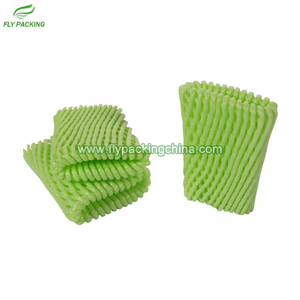
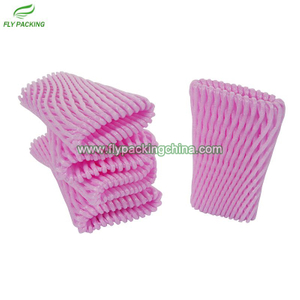
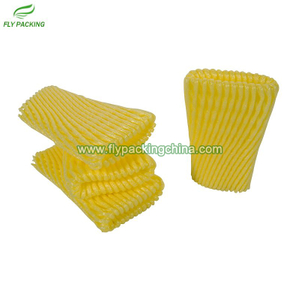
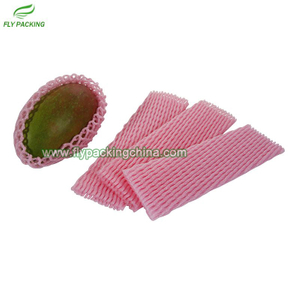
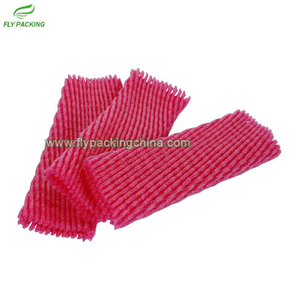
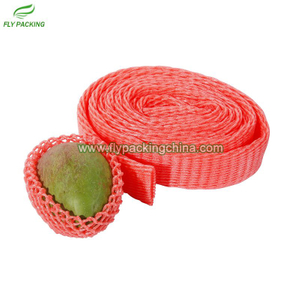
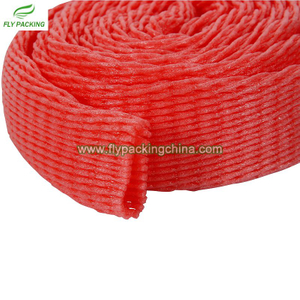
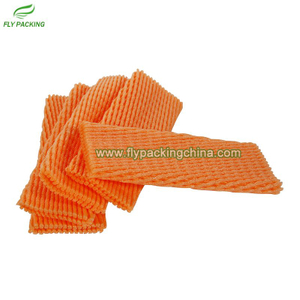
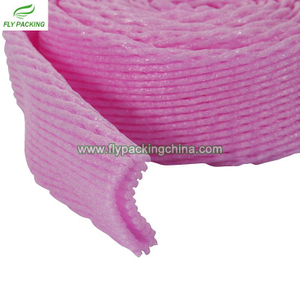
Foam netting, a seemingly unassuming packaging solution, reveals its versatility and value when it comes to the delicate task of cradling fresh fruits. This lightweight netting, often made from expanded polystyrene (EPS) foam, provides a protective cushion that prevents bruising, scuffing, and damage to the delicate skins of fruits during transit and storage.
The netting's open structure allows air circulation, which is pivotal for maintaining the freshness of the fruits. This breathability minimizes the risk of moisture buildup, thereby reducing the likelihood of mold growth. As a result, fruits can be stored for longer periods without compromising their quality.
Furthermore, foam netting's unique texture minimizes friction between the fruits and the packaging, ensuring that the skin remains intact and unblemished. This is particularly vital for delicate fruits like peaches, nectarines, and avocados, where surface abrasions can lead to rapid deterioration.
Fruit Foam Wrappers: A Delicate Embrace
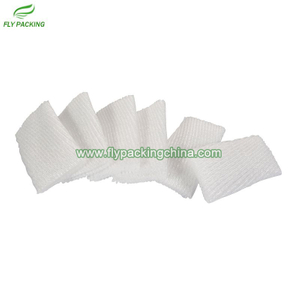
Fruit foam wrapper, a close cousin of foam netting, provide individualized protection for each piece of fruit. These compact foam envelopes are custom-designed to cradle the unique contours and shapes of various fruits, safeguarding them from damage while showcasing the beauty of the produce.
Akin to a tailored garment for fruits, foam wrappers offer an extra layer of defense against external pressures, vibrations, and shocks that can occur during transportation. They ensure that each piece of fruit enjoys a safe journey from the orchard to the consumer's hands.
Moreover, fruit foam wrappers serve as an essential tool for branding and differentiation. Customizable with various colors and logos, these wrappers allow growers and retailers to distinguish their produce and convey a sense of quality to consumers.
A Symphony of Sustainability and Functionality
While foam packaging materials have faced criticism for their environmental impact, strides have been made to align foam netting and fruit foam wrappers with sustainable practices. Many manufacturers are now producing foam packaging materials with an eye toward reducing their carbon footprint and embracing recycling initiatives.
One such development is the use of biodegradable and compostable foam materials. These innovative alternatives break down naturally over time, minimizing their impact on the environment. Additionally, some foam packaging manufacturers are incorporating recycled materials into their production processes, mitigating the demand for new raw materials.
To further address environmental concerns, foam netting and fruit foam wrappers can be repurposed by consumers for various uses. From protecting delicate items during moving to cushioning fragile household items, these materials find new life after their initial role in preserving fruits.
Responsible Consumption and Packaging
The adoption of fruit foam netting and fruit foam wrappers underscores the broader commitment to responsible consumption and eco-friendly packaging practices. As consumers become increasingly conscious of their impact on the environment, retailers and growers are responding by implementing strategies that prioritize sustainability.
Efforts to reduce packaging waste, minimize single-use plastics, and choose materials with lower environmental footprints have gained momentum. Foam netting and fruit foam wrappers, when designed and utilized mindfully, contribute to this movement by offering a balance between functionality and eco-consciousness.
A Visual Feast and a Gentle Touch
Beyond their utilitarian functions, foam netting and fruit foam wrappers add an aesthetic dimension to the fruit shopping experience. The vibrant hues of the foam wrappers showcase the diversity of fruits, making the produce section resemble a captivating palette of colors and textures.
The touch of foam netting and fruit foam wrappers conveys a sense of care and attention to detail. It's a tactile reminder that the produce has been carefully handled, protected, and presented to consumers with utmost consideration.
In Conclusion: An Essential Link in the Freshness Chain
In the intricate web of the food supply chain, foam netting and fruit foam wrappers play an indispensable role. They act as guardians of freshness, ensuring that the journey from farm to table is marked by quality, protection, and sustainability.
The delicate world of fresh fruits demands a delicate touch, and foam netting and fruit foam wrappers rise to the occasion. As the packaging industry continues to evolve toward more sustainable practices, these solutions showcase that even in the realm of functional packaging, a harmonious balance can be struck between nature's bounty and the responsibility to preserve it for generations to come.

| | 1/F, NO.81, CHANGZHEN ROAD, SHUIKOU TOWN, KAIPING CITY, GUANGDONG, CHINA |
| | +86-0-136 3183 6942 / +86-0-134 2677 9895 +86-750-2280358 |
| |