Views: 10 Author: Site Editor Publish Time: 2025-05-21 Origin: Site
When it comes to protecting delicate items during shipping, the solution you choose can make or break your customer’s experience. Cushion foam net has quickly become the preferred choice for businesses and individuals seeking both safety and sustainability in their packing routines. Whether you’re shipping fresh fruit, glassware, or high-value electronics, understanding how and why cushion foam net excels is the first step toward safer deliveries and a cleaner planet.
This comprehensive guide breaks down everything you need to know about cushion foam net. You’ll learn what it is, how it works, why it’s revolutionizing fly packing and product shipping, and how to choose the best cushion foam net for your needs. Plus, we’ll share insider tips for using cushion foam net to its fullest potential.
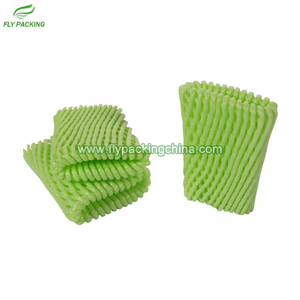
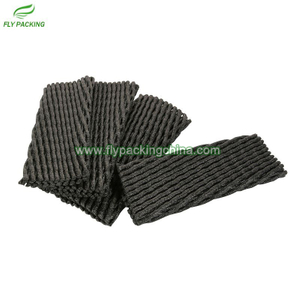
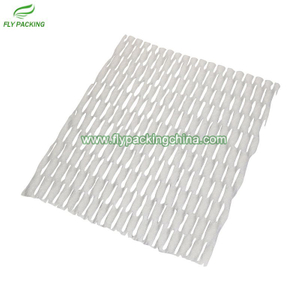
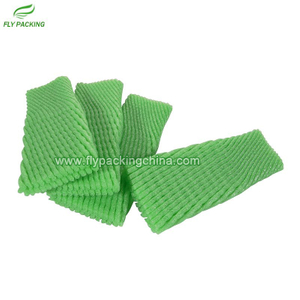
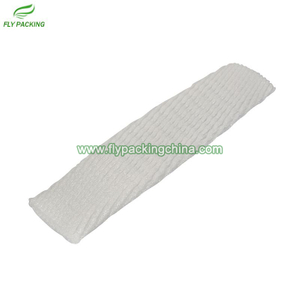
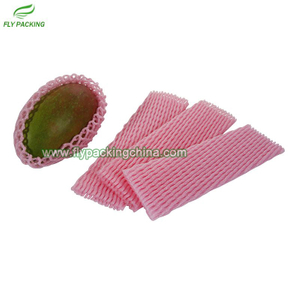
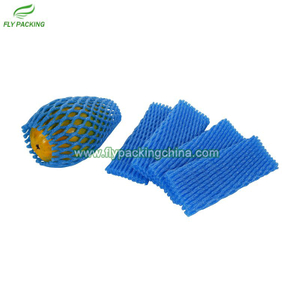
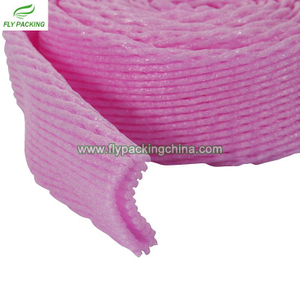
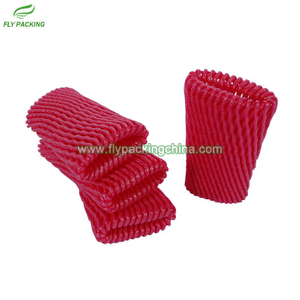
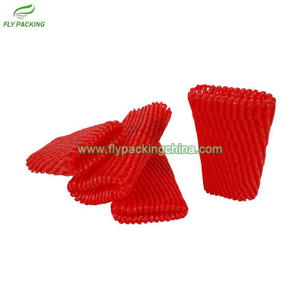
Cushion foam net is a flexible, lattice-like packaging material made from lightweight polyethylene (PE) foam. It’s designed to envelop items and shield them from impact, vibration, and scratches. Thanks to its stretchable, mesh-like structure, cushion foam net adapts easily to various shapes and sizes, making it ideal for protecting irregular or fragile products.
Cushion foam net is most often spotted as sleeves or wraps. Its open-cell foam construction provides a cushioned barrier that absorbs shock and prevents surface damage. You’ll see cushion foam net packaging fruit for export, cradling wine bottles, and protecting electronics during fly packing and global transit.
Unlike traditional packaging materials like bubble wrap or paper, cushion foam net molds snugly around items. This close fit means even fragile products like apples, avocados, or perfume bottles can travel safely with minimal risk of dents or scratches.
· Fruit exporters rely on cushion foam net to keep produce pristine during long hauls.
· E-commerce businesses use cushion foam net for glassware, ceramics, or other delicate inventory.
One standout feature of cushion foam net is its featherlight composition. Lighter packaging means lower shipping costs, which is a massive win for both small shops and large freight companies. And because cushion foam net uses less material by volume than many alternatives, it reduces waste and environmental impact.
Cushion foam net’s closed-cell foam resists moisture absorption, keeping items clean and dry through fluctuating weather. The structure is also a natural barrier against dust, which is especially valuable in fly packing scenarios where outdoor loads face tough environments.
With brands prioritizing eco-friendly practices, cushion foam net is a smart choice. Many cushion foam net products are recyclable and can be produced with less environmental impact than polystyrene or plastic air pillows. Choosing cushion foam net helps businesses reduce their carbon footprint without sacrificing protection.
Fly packing is the process of preparing products for fast transit, often via air freight. Delicate goods face extra risk here, thanks to turbulent conditions and tight timelines. Cushion foam net excels in these contexts:
· The stretchable netting secures items snugly and reduces movement.
· Its shock-absorbing properties prevent bruising or breakage even during rough handling.
· Cushion foam net is efficient to pack, speeding up the fly packing workflow and saving labor hours.
Whether packing a box of peaches or a pallet of luxury glass, cushion foam net delivers unmatched reliability for airborne shipments.
· Produce and perishables: Opt for thin, highly stretchable cushion foam net that breathes, protecting fruit skins without trapping moisture.
· Glass, ceramics, or electronics: Choose thicker, denser cushion foam net with tighter mesh to cushion against impact.
· High-value items: Consider anti-static or UV-resistant cushion foam net for extra peace of mind.
Measure the dimensions of your products. Cushion foam net comes in rolls, sheets, and pre-cut sleeves in various diameters. Select a size slightly smaller than your item to ensure a snug fit without excessive stretching.
Some suppliers offer custom printing or colored cushion foam net for branding. You may also find biodegradable or compostable versions if environmental impact is your top priority.

· Slip sleeves over items like bottles or fruits for individual protection.
· Wrap larger objects by stretching cushion foam net around them, overlapping layers for maximum cushioning.
· Combine cushion foam net with other materials like cardboard dividers for ultra-fragile shipments.
For fly packing, time is of the essence. Cushion foam net speeds up the process, but secure packaging is still crucial. Use minimal tape or stretch wrap to hold items in place, keeping everything tightly grouped yet cushioned.
Cushion foam net retains flexibility even after repeated use, making it easy to repack returns or store away for future needs. Store cushion foam net rolls away from direct sunlight and moisture to preserve their quality.
A fruit exporter in California switched from molded pulp trays to cushion foam net for packing peaches and apples. The result? Transit bruising dropped by 30 percent, and customer complaints about damaged fruit nearly disappeared.
An online pottery retailer replaced bulky bubble wrap with cushion foam net. Shipping costs fell thanks to lighter parcels, and the brand promoted its move toward recyclability, appealing to eco-conscious shoppers.
A tech accessory company needed a faster way to prepare bulk headphone orders for overnight delivery. By switching to cushion foam net, staff cut packing times in half, thanks to the easy application and reliable shock absorption.
Rapid growth in e-commerce and international trade means demand for flexible, effective packaging will only increase. Cushion foam net is perfectly positioned to meet this need, with ongoing innovation in bio-based materials, recycling, and automated packing systems.
Expect to see cushion foam net integrated with smart sensors or QR codes for real-time shipment tracking, further boosting its value for delicate and high-value shipments.
Switching to cushion foam net transforms the packing line. It protects fragile goods, reduces weight (and cost), and meets rising sustainability expectations. For businesses handling high volumes, especially via fly packing channels, cushion foam net is not just an option but an upgrade.
If you’re looking for reliable, lightweight, and eco-friendly packaging, cushion foam net deserves a place at the top of your list. Start optimizing your packaging today for safer deliveries and a greener planet.

| | 1/F, NO.81, CHANGZHEN ROAD, SHUIKOU TOWN, KAIPING CITY, GUANGDONG, CHINA |
| | +86-0-136 3183 6942 / +86-0-134 2677 9895 +86-750-2280358 |
| |