
Every piece of fruit that leaves a farm faces a journey it was never built for. Trucks jolt over uneven roads, pallets shift inside shipping containers, and temperature swings stress delicate skins long before a mango or a bottle of wine reaches a store shelf. A single bruise, crack, or scuff can tu

Fresh produce travels a long road before it reaches a grocery shelf or a dinner table. Along the way, bruising, compression, and surface scratches can turn a perfectly ripe piece of fruit into something no shopper wants to pick up. For growers, packers, and exporters, the margin between a saleable c

Fresh produce travels thousands of miles before it reaches a dinner table, and every mile adds risk. A single bruise on a mango or a hairline crack in a wine bottle can turn a profitable shipment into a loss. Packers, exporters, and growers have spent decades looking for materials that absorb shock

Mangoes are among the most bruise-prone fruits moved through global supply chains. Their thin skin and soft flesh mean even a light knock during loading or transport can leave a mark that shows up days later at the retail shelf. For growers and exporters, that kind of damage translates directly into

Bottles break for one simple reason: they move when they shouldn't. A wine bottle knocking against a crate wall, a glass jar rubbing its neighbor, a shipment jostled by hours of highway vibration—these small motions compound into cracks, scratches, and shattered stock by the time a package reaches i

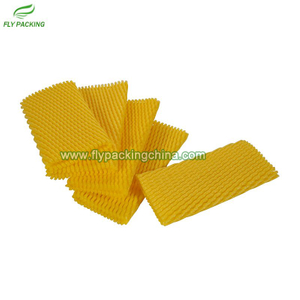
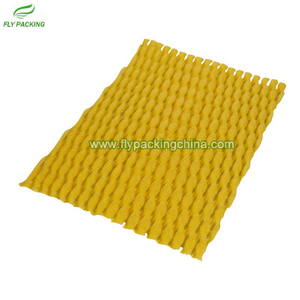
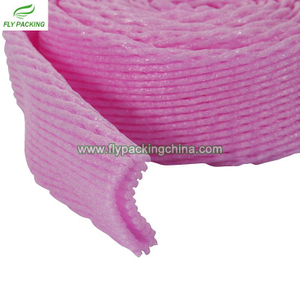
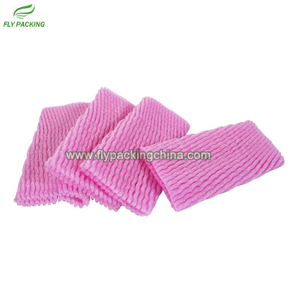
Foam nets protect fresh produce from bruising, scratching, and impact damage during transit. Single-layer options suit lighter fruits, while double-layer designs add extra cushioning for heavier or more delicate produce. Sourcing from a specialized manufacturer ensures consistent quality, reliable s

Long-distance freight puts constant pressure on delicate cargo. Vibration, stacking loads, and shifting weight cause most damage—not dramatic accidents, but slow, grinding contact over hundreds of miles. For growers, packers, and exporters, that damage eats directly into profit margins.Foam mesh sle

Bottles break for one simple reason: they move when they shouldn't. A wine bottle knocking against a crate wall, a glass jar rubbing its neighbor, a perfume flacon vibrating loose during a long haul—these small motions add up to cracks, scratches, and shattered goods by the time a package arrives.Fo
Views: 11 Author: Site Editor Publish Time: 2024-02-26 Origin: Site
In the bustling world of supermarkets and grocery stores, where fresh produce lines the aisles in vibrant displays, ensuring the integrity and quality of fruits is a top priority. Enter the humble yet indispensable fruit foam net and its counterparts in protective packaging. These soft foam nets, fruit sleeves, and other innovative solutions play a crucial role in safeguarding fruits during transportation and storage, preserving their freshness and preventing damage. In this article, we explore the significance of fruit foam nets and protective packaging in the journey from orchard to table.
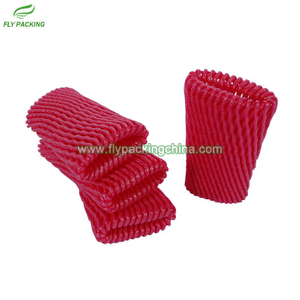
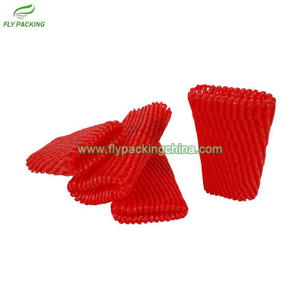
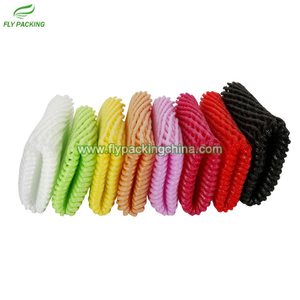
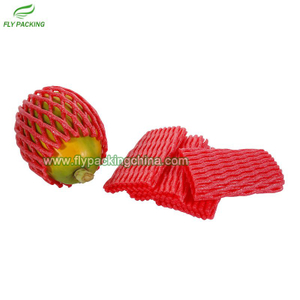
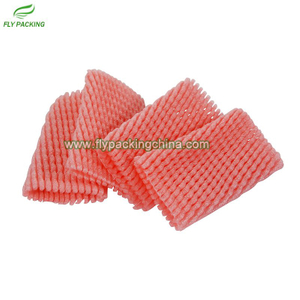
Fruit foam nets, also known as fruit sleeves or soft foam fruit protection net, are precisely what their name suggests: lightweight nets made from soft, expandable foam material designed to cradle individual fruits. These nets come in various shapes and sizes to accommodate different types of fruits, from delicate peaches and plums to robust apples and oranges. The primary purpose of these nets is to provide a cushioning layer that shields fruits from external impacts and abrasions, reducing the risk of bruising and spoilage.
The importance of protective packaging for fruits cannot be overstated, particularly in today's globalized supply chains, where produce often travels long distances from farm to market. During transit, fruits are susceptible to rough handling, temperature fluctuations, and pressure changes, all of which can compromise their quality and shelf life. Fruit foam nets offer a simple yet effective solution to mitigate these risks, acting as a protective barrier that absorbs shocks and vibrations, thereby minimizing damage.
One of the key advantages of fruit foam nets is their versatility. Unlike rigid packaging materials such as plastic trays or clamshells, foam nets conform to the shape of the fruit, providing a snug and secure fit without exerting excessive pressure. This gentle yet firm support ensures that fruits remain intact and undamaged throughout the journey, preserving their appearance, flavor, and nutritional value.
Furthermore, fruit foam nets are lightweight and flexible, making them ideal for use in automated packing and sorting processes. Their soft, pliable nature allows for easy handling and manipulation, reducing the risk of mechanical damage during packing and unpacking operations. Additionally, foam nets can be customized to accommodate fruits of various sizes and shapes, offering a tailored solution that meets the specific requirements of different produce varieties.
In addition to foam nets, other types of protective packaging, such as fruit sleeve and mesh bags, are also widely used in the fresh produce industry. Fruit sleeves are thin, stretchable covers made from perforated plastic or mesh material that encase individual fruits or clusters, providing a protective barrier against dust, moisture, and pests. These sleeves are particularly popular for delicate fruits like berries and grapes, offering a hygienic and convenient solution for packaging and display.
Mesh bags, on the other hand, are breathable fabric or plastic bags with a mesh-like structure that allows for air circulation while providing protection against physical damage. These bags are commonly used for bulk packaging of fruits such as citrus fruits and onions, offering a cost-effective and environmentally friendly alternative to traditional packaging materials.
Despite their effectiveness, fruit foam nets and fruit protective packaging are not without their challenges. Critics argue that the widespread use of disposable packaging materials contributes to environmental pollution and waste generation. In response, manufacturers and retailers are increasingly exploring sustainable alternatives, such as biodegradable foam nets made from renewable materials or reusable mesh bags that can be returned and recycled.
In conclusion, fruit foam net and protective packaging play a vital role in preserving the freshness and quality of fruits from farm to table. These innovative solutions offer a simple yet effective way to protect fruits during transportation and storage, ensuring that they reach consumers in optimal condition. As the demand for fresh, high-quality produce continues to grow, the importance of responsible packaging practices and sustainable solutions cannot be overlooked. By embracing innovation and adopting eco-friendly packaging options, the fresh produce industry can meet the needs of consumers while minimizing its environmental footprint.

| | 1/F, NO.81, CHANGZHEN ROAD, SHUIKOU TOWN, KAIPING CITY, GUANGDONG, CHINA |
| | +86-0-136 3183 6942 / +86-0-134 2677 9895 +86-750-2280358 |
| |