Views: 12 Author: Site Editor Publish Time: 2022-10-27 Origin: Site
When you are preparing to transport and store fruits, it's important to find the right netting. This type of netting has many advantages, including excellent cushioning properties and its ability to protect your fruit from damage. Not only does it protect your fruit, but it also makes transportation and storage easier. Plus, it's biodegradable and environmentally friendly.
When purchasing a fruit foam net, make sure to buy a high-quality product. You'll find that there are many manufacturers with varying prices and different types of nets. The durability of your fruit net depends on the type of plastic that it's made of. A strong plastic won't break easily and it will be less likely to let liquid seep through.
Fruit Protective Packaging is an effective way to extend the postharvest life of a wide range of fruits. The combination of low storage temperatures and humidity along with a proper protective packaging strategy can significantly extend the shelf-life of a variety of fruits. For example, corrugated cardboard boxes packed with pears can help maintain the quality of the fruit and extend its shelf-life.
Other fruit-protecting materials include cellophane paper and polyethylene sheets. These are flexible, transparent, and can be heat-sealed. They are especially effective as primary protection for dehydrated products. Other materials like acetate, corrugated board, or kraft paper can also be used to protect the contents of a fruit-packaging scheme.
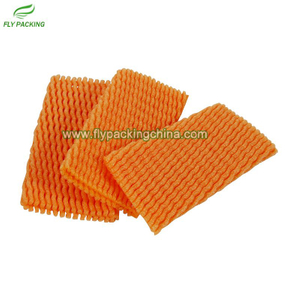
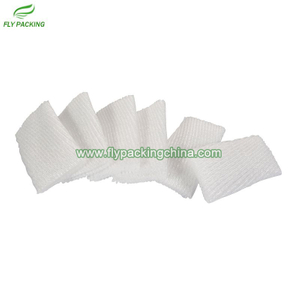
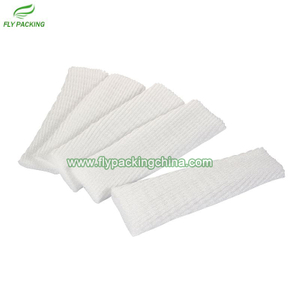
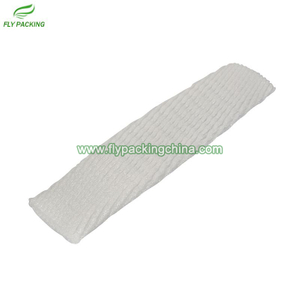
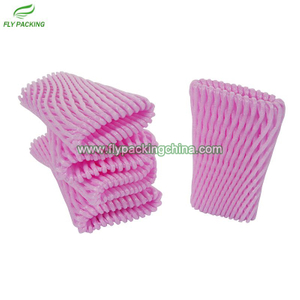
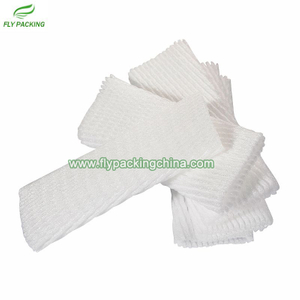
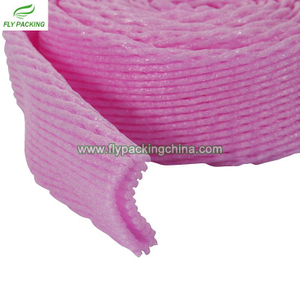
Foam netting is a new generation of flexible packaging material that protects the fruit during transportation. It is an effective method of extending the life of fruit while minimizing the risk of spoilage. In addition, foam netting is completely recyclable. It is a great choice for packaging fruit because it does not alter the quality or taste of the fruit. Most fruit manufacturers supply netting with their boxes.
Modified atmosphere packaging (MAP) has shown a higher level of protection against decay and deterioration compared to perforated polyethylene packaging (PP). The MAP significantly reduced the loss of water from loquats, but the higher gas permeance led to increased incidence of physiological disorders and internal browning.
Soft foam fruit protection net can be an excellent investment for your business. Not only can they protect your products during transport, but they can also increase their appeal as a marketing tool. These nettings can be customized to reflect your brand name, logo, or graphic design. Plus, the process of customizing these nettings is simple and cost-effective.
A foam fruit protection net can be used in a variety of different ways, from protecting your plants and flowers to protecting your outdoor furniture. These nettings are available in different colors and materials to suit your specific needs. Their durability means that your plants and fruit will be protected from pests and strong winds.
A fruit sleeve is a device used to protect fruit from pests and disease. They can be used on individual fruits, clusters of fruit, or whole branches. Generally, a fruit sleeve is open and easy to clean, but they can also be closed to protect the fruit from disease and dust.
An automatic fruit sleeve separation device includes hardware, software, and an industrial control computer. The hardware comprises a mechanical bit and a three-degree-of-freedom manipulator. The mechanical bit is installed on a disinfectant slot and is rotated counterclockwise. The software system also includes a machine vision algorithm, which allows the device to judge the position of the foam sleeve.


| | 1/F, NO.81, CHANGZHEN ROAD, SHUIKOU TOWN, KAIPING CITY, GUANGDONG, CHINA |
| | +86-0-136 3183 6942 / +86-0-134 2677 9895 +86-750-2280358 |
| |