
A single bruised apple can compromise an entire box. During shipping, apples are exposed to vibration, pressure, and friction—forces that cause surface damage long before the fruit reaches a retailer or consumer. The result is a costly chain of spoilage that growers, packers, and exporters deal with

Fresh fruit is vulnerable. A single bump in transit—a shift in the crate, pressure from adjacent boxes, or vibration on a long-haul truck—can bruise produce before it ever reaches the shelf. That bruising costs growers, packers, and exporters real money. Backer rod has emerged as a practical solutio

Foam netting has quietly become one of the most practical packaging materials in global supply chains. Growers, packers, exporters, and logistics companies rely on it daily—yet it rarely gets the attention it deserves. A bruised mango or a cracked bottle of wine might seem like a minor inconvenience

Fresh produce takes a beating on the way to market. A bump in a crate, a long haul over rough roads, or one tight squeeze can leave bruises that turn sellable fruit into waste. For growers, packers, and distributors, that loss eats straight into profits.Foam-based protective packaging gives you a si

Fresh fruit is delicate. A single drop, a tight squeeze in a crate, or a long ride over rough roads can leave bruises that turn good produce into waste. For growers, packers, and distributors, that damage adds up fast. Foam net offers a simple, affordable answer—a lightweight foam sleeve that hugs e

When construction professionals apply sealants to joints or cracks, they rarely fill the entire void with caulking material. Filling deep gaps entirely with sealant wastes expensive materials and causes the joint to fail under pressure. Builders solve this problem by inserting a cylindrical piece of

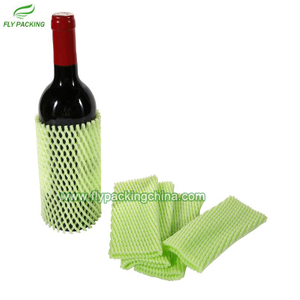
Every year, businesses lose significant revenue due to damaged shipments. Delicate items like glass bottles are particularly prone to shattering during transit. A single broken bottle can ruin an entire case, leading to lost revenue, replacement costs, and disappointed customers.To prevent these los

Every year, businesses lose massive amounts of revenue due to damaged shipments. Fruits easily suffer from bumps and bruises during transit, while delicate items like glass bottles and ceramics are prone to shattering. This transit damage represents a severe drain on profits for growers, distributor
Views: 16 Author: Site Editor Publish Time: 2023-02-08 Origin: Site
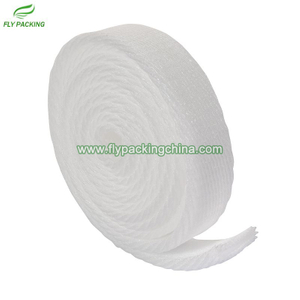
Foam netting is a packaging material that can be used for a variety of different applications. It can help protect products from moisture and other factors that can affect their freshness, as well as adding visual appeal to the package.
There are a few different types of foam that can be used for this purpose, and each one is designed specifically to help protect specific products. Some of the most popular options are packing foam, pick & pluck foam, and closed cell PVN foam.
Packing foam is a medium density foam that is perfect for protecting small items like instruments and cameras. It also helps prevent the contents of the package from moving around in transit.
Closed cell PVN foam (also known as flotation foam) is three times firmer than polyurethane and works great for buoyancy applications like floating cockpit cushions and life vests. It also resists water absorption, so it's a good choice for commercial boat seating or other seating that will be prone to being wet from the outside.
Pick & pluck foam is a less dense, but still very durable foam that can be used for a variety of other purposes. It's a great choice for padding around things that need to be protected, as it can be cut into pieces that fit tightly together and provide maximum protection.
When choosing a foam to use for your fruit nets, you want to make sure that it will last and be able to hold up in the harsh conditions that you'll encounter during transport. It should be a high quality product that will keep your fruit safe from pests and other damage.
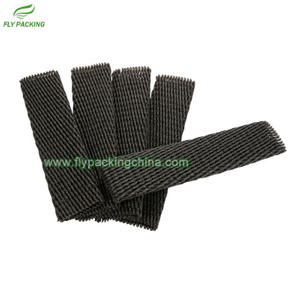
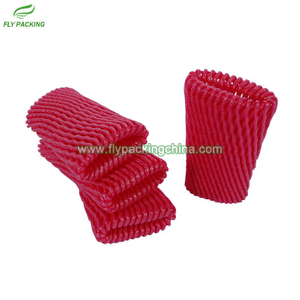
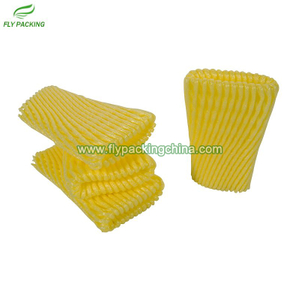
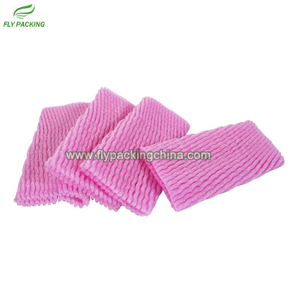
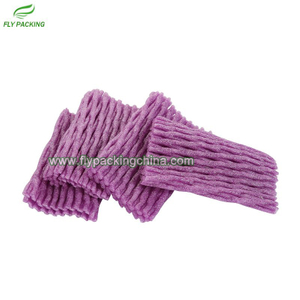
Foam fruit wrapper is a type of spongy Styrofoam netting that you typically see wrapped around apples. Most people throw away these foam nettings when they’re done with them, but they are really versatile and can be used for a number of purposes.
The spongy foam fruit wrapper can be useful for protecting fragile items during transit such as eggs and cheese. It also absorbs the impact when fruits knock against each other during transit so they don’t break apart easily.
It can be used as a coaster for plates of piping hot food on the table, especially wooden ones. It can also help to absorb the friction between your hands and cups of hot drinks so that your hand doesn’t get hurt.
If you’re using a bar of soap that’s prone to sticking to the box and leaving water in the soap, then it’s time to place this foam fruit wrapper underneath the box so that the water can be absorbed without leaking out of the box. This will keep your bar of soap fresher for longer and makes washing dishes much easier!
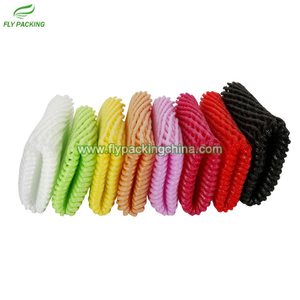
Fruit foam netting is a great way to add a touch of class and elegance to your packaging while simultaneously protecting the goods inside. These nets are made of low density polyethylene and are available in various sizes and colors to suit your needs. They are also highly durable and can stand up to the rigors of shipping. The best part is that they don’t cost much!
One of the best ways to get a leg up on the competition is to make sure that your product is properly protected and shipped. There are a number of ways that you can do this including using protective packaging, making sure that the products are properly packaged and using the right type of container for each item. The most effective packaging methods are a great way to increase your profits and improve customer satisfaction.
The tidbit that the best way to do this is to look for a company that offers a variety of high quality packaging products. This will help ensure that your customers receive the products that they are expecting without having to worry about damaged goods or missing packages.

| | 1/F, NO.81, CHANGZHEN ROAD, SHUIKOU TOWN, KAIPING CITY, GUANGDONG, CHINA |
| | +86-0-136 3183 6942 / +86-0-134 2677 9895 +86-750-2280358 |
| |