Views: 15 Author: Site Editor Publish Time: 2022-11-09 Origin: Site
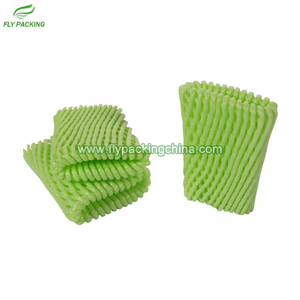
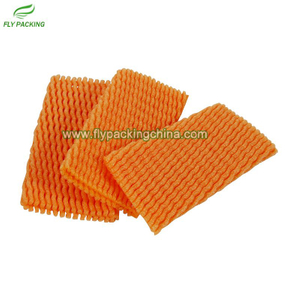
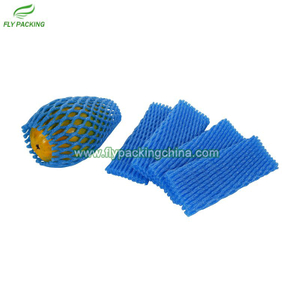
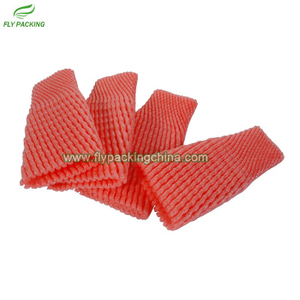
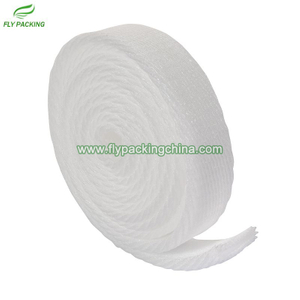
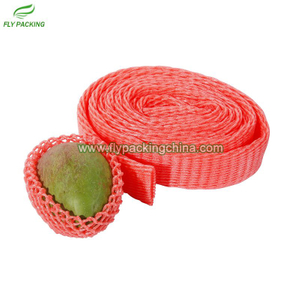
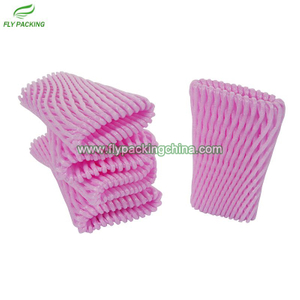
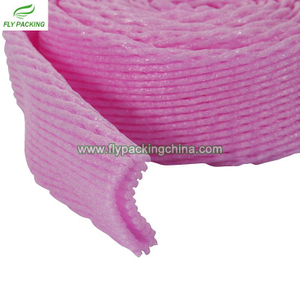
A fruit foam net is a net used to pack and protect fruit, ensuring that they remain fresh and free from damage during transit. This type of packaging can be custom-made to any size and shape, and allows air to circulate while protecting fruits and vegetables. This makes fruit foam nets an ideal choice for packaging fruit and vegetables in supermarkets.
The foam net is durable and can be reused. It can protect fruits during the growing season, during transit, and during supermarket display. It can reduce transport layer pressure, allowing fruits to maintain their freshness longer. It also offers protection from damage and can help to extend the time between harvesting and selling. A fruit foam net is an environmentally-friendly, cost-effective option for packaging fruit and vegetables.
A fruit foam net is made from a high-foam polyethylene (EPE) material that is extruded at high temperatures. It also contains a food grade anti-shrinkage agent and ultra-fine talc powder. It is a sustainable and eco-friendly packaging solution that won't compromise the quality or taste of the fruits. Many fruit manufacturers now provide foam netting with their fruit boxes.
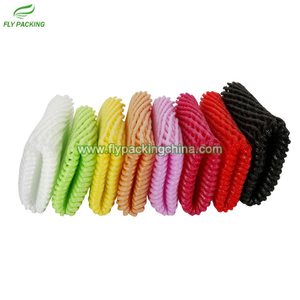
Foam nets are an excellent choice for fruit protective packaging. Made of soft, low-density polyethylene foam, they are durable and flexible enough to cover a wide range of fruits. They are also recyclable. The best part is that they can be made in any color and size, making them the ideal packaging material for fragile items such as bottles or fruit.
In the fruit and vegetable sector, protective packaging is crucial in order to ensure freshness. Fruit and vegetables must be protected from damage during the transportation process. Several packaging options are available, including multi-tray trays and plastic clamshells. There are also products that control ethylene, which is the main cause of food spoilage.
In addition to plastic bags, engineered plastic films are an excellent choice for packaging produce. They prevent mechanical damage and shrinkage and provide a good surface for stick-on labels. This type of packaging can reduce packing costs and ensure that fresh produce retains its quality for as long as possible. Ultimately, it will be up to the manufacturer to decide which packaging methods are right for their product.
A Soft Foam Fruit Protection Net is an important ingredient in packaging fruits and vegetables. It protects them from bruising and spoilage during transit. It is made of biodegradable polyethylene foam that is nontoxic. It is also resistant to high temperatures and does not release toxic gasses during transportation. Whether you're packing fruits for retail sale or to prevent them from spoiling during storage, a Soft Foam Fruit Protection Net is the perfect solution.
These fruit protection nets are available in various sizes, from 7*18cm to 10*20cm, and can be cut to fit your particular size. They are lightweight, flexible, and durable. They are also good for protecting delicate cargoes. The polyethylene foam that makes up these sleeve nets is also used in a variety of marine and sports equipment. These bags can withstand a wide range of humidity and temperature.
Fruit protection sleeves protect the fruit from bird droppings, aphids and other pests while increasing the speed of ripening of individual fruit branches. In addition, they help you save money on the cost of fruit cages and other protection equipment. The sleeves can be used to protect various kinds of fruits including tomatoes, citrus and brassica crops.
A fruit sleeve box is composed of a box body made from two box sleeves. Each inner cavity is tailored to the shape of the packaged fruit. A through cavity (12) and a barrier strip (11) are located in the middle part of each box sleeve. The sleeve box's design and functionality allow fruit sleeve separation in an efficient manner.


| | 1/F, NO.81, CHANGZHEN ROAD, SHUIKOU TOWN, KAIPING CITY, GUANGDONG, CHINA |
| | +86-0-136 3183 6942 / +86-0-134 2677 9895 +86-750-2280358 |
| |