
Every piece of fruit that leaves a farm faces a journey it was never built for. Trucks jolt over uneven roads, pallets shift inside shipping containers, and temperature swings stress delicate skins long before a mango or a bottle of wine reaches a store shelf. A single bruise, crack, or scuff can tu

Fresh produce travels a long road before it reaches a grocery shelf or a dinner table. Along the way, bruising, compression, and surface scratches can turn a perfectly ripe piece of fruit into something no shopper wants to pick up. For growers, packers, and exporters, the margin between a saleable c

Fresh produce travels thousands of miles before it reaches a dinner table, and every mile adds risk. A single bruise on a mango or a hairline crack in a wine bottle can turn a profitable shipment into a loss. Packers, exporters, and growers have spent decades looking for materials that absorb shock

Mangoes are among the most bruise-prone fruits moved through global supply chains. Their thin skin and soft flesh mean even a light knock during loading or transport can leave a mark that shows up days later at the retail shelf. For growers and exporters, that kind of damage translates directly into

Bottles break for one simple reason: they move when they shouldn't. A wine bottle knocking against a crate wall, a glass jar rubbing its neighbor, a shipment jostled by hours of highway vibration—these small motions compound into cracks, scratches, and shattered stock by the time a package reaches i

Foam nets protect fresh produce from bruising, scratching, and impact damage during transit. Single-layer options suit lighter fruits, while double-layer designs add extra cushioning for heavier or more delicate produce. Sourcing from a specialized manufacturer ensures consistent quality, reliable s

Long-distance freight puts constant pressure on delicate cargo. Vibration, stacking loads, and shifting weight cause most damage—not dramatic accidents, but slow, grinding contact over hundreds of miles. For growers, packers, and exporters, that damage eats directly into profit margins.Foam mesh sle

Bottles break for one simple reason: they move when they shouldn't. A wine bottle knocking against a crate wall, a glass jar rubbing its neighbor, a perfume flacon vibrating loose during a long haul—these small motions add up to cracks, scratches, and shattered goods by the time a package arrives.Fo
Views: 7 Author: Site Editor Publish Time: 2024-10-22 Origin: Site
In the world of fruit distribution, preserving the quality and freshness of produce from farm to table is a top priority. For fruit growers and retailers alike, maintaining the integrity of delicate fruits during handling and transportation is crucial. Enter foam fruit protection sleeves—a simple yet effective solution known for its protective prowess in the produce industry. This blog post will explore the innovative use of foam sleeves in fruit packaging, their benefits, and how they can revolutionize the way we handle and store our favorite fruits. Read on to discover the secrets behind these unassuming protectors and why they are becoming indispensable for fruit enthusiasts and businesses alike.
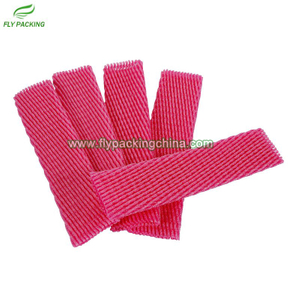
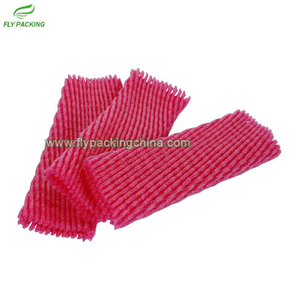
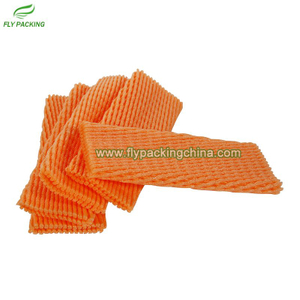
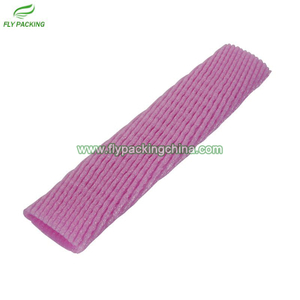
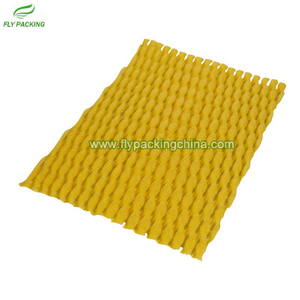
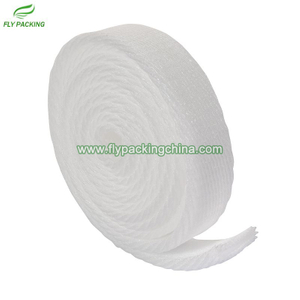
Foam fruit protection sleeves are specially designed to offer a cushioned layer around fruits, guarding them against damage during handling, transportation, and storage. These sleeves are typically made from lightweight, flexible, and durable materials like expanded polyethylene foam. Their unique structure and material composition provide excellent shock absorption, which helps prevent bruising and other physical damage to fruits.
The sleeve is designed to closely conform to the shape of individual fruits, providing a snug fit that minimizes movement within packaging crates or boxes. This snug fit is essential for maintaining the stability of fruits and preventing them from colliding with one another during transit. The foam construction also allows for proper ventilation, ensuring that fruits remain fresh and dry throughout the supply chain process.
Foam sleeves come in an array of sizes and thicknesses to cater to different types of fruits, from robust apples to delicate peaches. These sleeves are not only versatile but also reusable, making them a cost-effective and eco-friendly option for fruit protection.
One of the most significant advantages of using foam sleeves is their ability to protect fruits from physical damage. Fruits are often subjected to various stresses during handling and shipping, causing bruises or blemishes that reduce their market value. Foam sleeves act as a buffer, absorbing impact and ensuring that fruits reach their destination in pristine condition.
Aside from physical protection, foam sleeves also offer enhanced ventilation. Proper airflow is crucial for preventing moisture buildup and reducing the risk of mold or mildew growth on fruits. The breathable nature of foam sleeves allows for adequate air circulation, helping maintain the freshness and quality of fruits over extended periods.
Another notable benefit is the ease of use that foam sleeves provide. They can be quickly applied and removed, making the packaging process more efficient and less labor-intensive. This efficiency helps reduce operation times and costs, which is particularly valuable for large-scale fruit distributors and retailers.
When selecting foam sleeves for fruit protection, it's essential to consider the specific characteristics and needs of each type of fruit. Some fruits, such as apples and pears, are more resilient and may require minimal protection, while others, like peaches and avocados, are more delicate and demand greater cushioning.
The size and shape of the fruit will also influence the choice of sleeve. A snug fit is critical to prevent excess movement that could result in damage. Additionally, the thickness of the sleeve should correspond to the level of protection required; delicate fruits benefit from thicker sleeves, while more robust fruits may only need a thinner layer.
Color-coded foam sleeves can also aid in the easy identification of different fruits or batches within a shipment, streamlining inventory management and minimizing errors during sorting and distribution. By carefully selecting the appropriate sleeve, fruit handlers can effectively safeguard their produce while optimizing their packaging process.
In recent years, there has been a growing emphasis on sustainability across various industries, including agriculture and food distribution. Foam sleeves offer an eco-friendly packaging solution that aligns with these sustainability goals. Their durability and reusability make them ideal for reducing waste and minimizing environmental impact.
Foam sleeves can be used multiple times, making them a cost-effective investment for businesses looking to cut down on packaging expenses. Furthermore, as they are composed of recyclable materials, they can be repurposed or recycled at the end of their lifespan, contributing to a more circular economy.
Incorporating foam sleeves into fruit packaging practices not only ensures product protection but also supports sustainable efforts, promoting a more environmentally responsible approach to food distribution.
For fruit sellers and retailers, customer satisfaction is paramount. Providing customers with high-quality, undamaged fruits is essential for building trust and encouraging repeat business. Foam sleeves play a critical role in delivering fruits that meet or exceed customer expectations.
By using foam sleeves, businesses can significantly reduce the occurrence of bruised or blemished fruits, leading to a more visually appealing product that is attractive to consumers. The added protection ensures that fruits retain their freshness and appearance for longer, enhancing the overall customer experience.
Additionally, fruit foam sleeves can be branded with company logos or messages, offering a unique opportunity for businesses to promote their brand while showcasing their commitment to quality and customer satisfaction.
Food waste is a significant challenge in the global supply chain, with a substantial portion attributed to damaged or spoiled produce. Foam sleeves offer a practical solution for mitigating food waste by preventing physical damage to fruits.
By minimizing bruises and blemishes, foam sleeves help extend the shelf life of fruits, reducing the likelihood of premature disposal. This preservation contributes to a more efficient food distribution system and ensures that more produce reaches consumers in edible condition.
Implementing foam sleeves as part of a comprehensive fruit protection strategy can lead to significant reductions in food waste, benefiting both businesses and the environment.
With the rise of online grocery shopping and direct-to-consumer fruit deliveries, ensuring the safe transit of fruits has become increasingly important. Foam sleeves provide a reliable solution for e-commerce businesses looking to maintain the quality of their products during shipping.
The protective nature of foam sleeves ensures that fruits arrive at customers' doorsteps in perfect condition, regardless of the distance traveled. This reliability can enhance the reputation of e-commerce fruit sellers and foster customer loyalty.
By integrating foam sleeves into their packaging practices, e-commerce businesses can offer an elevated level of service that meets the demands of today's discerning consumers.
While large-scale producers often utilize foam sleeves, small-scale farmers can also benefit from incorporating this protective technology into their operations. Foam sleeves are an affordable and practical option for safeguarding fruits during transport to local markets or direct sales to consumers.
By reducing losses due to damage, small-scale farmers can enhance the quality of their produce and maximize profits. The investment in foam sleeves can yield significant returns by improving the marketability of fruits and increasing customer satisfaction.
For small-scale farmers seeking to grow their businesses, adopting foam sleeves is a smart and effective strategy for enhancing product quality and achieving long-term success.
As the demand for effective fruit protection grows, innovations in foam sleeve design continue to emerge. Manufacturers are exploring new materials and features to enhance the protective capabilities of foam sleeves, offering even more value to users.
Advancements such as biodegradable foam sleeves are gaining attention for their potential to reduce environmental impact while maintaining performance. Additionally, the development of customizable foam sleeves tailored to specific fruit varieties is further optimizing the protection process.
These innovations are driving the evolution of foam sleeves, making them an even more indispensable tool for fruit protection in the global market.
For businesses looking to incorporate foam sleeves into their fruit packaging practices, careful planning and execution are key. Start by conducting a thorough assessment of current packaging methods and identifying areas where foam sleeves can add value.
Engage with suppliers to find foam sleeves that meet your specific needs in terms of size, material, and design. Implement a training program for staff to ensure proper application and removal of sleeves, maximizing their protective benefits.
By integrating foam sleeves into your packaging process, you can enhance the quality and marketability of your fruits, ultimately boosting your bottom line.

| | 1/F, NO.81, CHANGZHEN ROAD, SHUIKOU TOWN, KAIPING CITY, GUANGDONG, CHINA |
| | +86-0-136 3183 6942 / +86-0-134 2677 9895 +86-750-2280358 |
| |