Views: 7 Author: Site Editor Publish Time: 2025-05-13 Origin: Site
When transporting or storing fruit, protecting it from damage is essential. That’s where protection fruit foam nets come in. These lightweight yet durable packaging solutions have become a go-to choice for farmers, exporters, and retailers who want to preserve the freshness and appearance of produce. But what makes them so effective?
This blog will explore why foam sleeves protective netting is a game-changer for the fruit industry, how foam fruit protection sleeves work, and why trusted suppliers like Fly Packing are leading the way in providing top-quality protective solutions.
Whether you’re a farmer, supplier, or simply curious about innovative packaging, read on to learn all about the benefits of protection fruit foam nets.
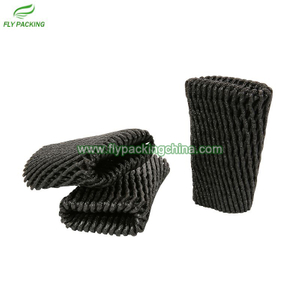
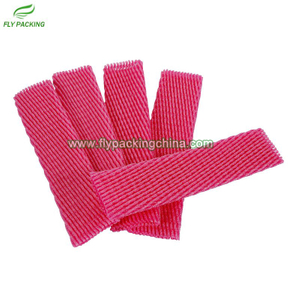
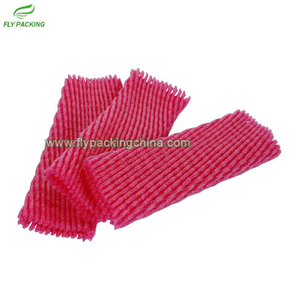
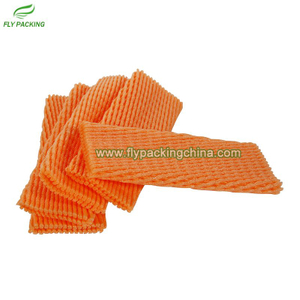
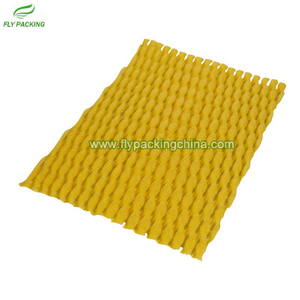
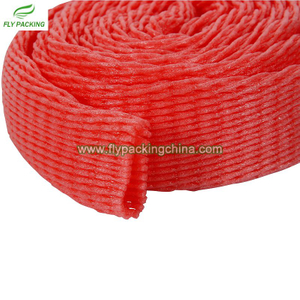
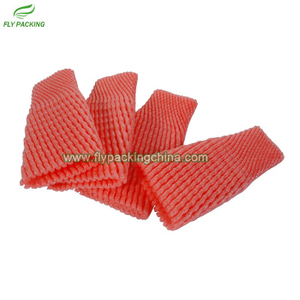
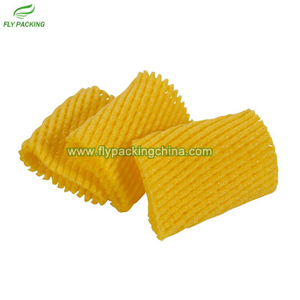
A protection fruit foam net is a soft, mesh-like sleeve designed to cushion fruits from impact, pressure, and abrasion. Made from high-density foam, these nets are lightweight, flexible, and incredibly easy to use. They are particularly popular for protecting delicate fruits such as apples, pears, peaches, and mangoes during transport or on store shelves.
These nets are designed to hug the fruit tightly, offering just enough flexibility to stay secure while preventing any bruising or cracking. Because of their thoughtful design, foam sleeves protective netting has become a staple in the agricultural and retail sectors.
Here are the primary advantages of using protection fruit foam nets:
· Impact Protection: The foam material absorbs shocks during transport, minimizing damage to the fruit.
· Improved Shelf Life: By preventing bruising or damage, these nets help extend the freshness of produce.
· Aesthetic Appeal: Fruits arrive in pristine condition, offering customers a visually appealing product.
· Eco-Friendly Options: Many foam nets are recyclable, helping businesses maintain a sustainable operation.
Whether you’re shipping apples across the country or displaying perfect pears at a local market, foam fruit protection sleeves offer a versatile and cost-effective solution.
When it comes to foam sleeves protective netting, the benefits are endless. These nets are specially designed to help fruits maintain their quality from the moment they leave the orchard to when they land in customers’ hands.
Protection fruit foam nets are typically made from non-toxic, food-grade polyethylene (PE) foam. This material is soft yet resilient, offering the perfect combination of protection and flexibility. Thanks to its elasticity, the net conforms to the shape of the fruit without applying too much pressure.
One of the top benefits of foam sleeves protective netting is how user-friendly it is. These nets are lightweight and easy to handle, meaning farmers and packers can apply them to fruits quickly, saving valuable time during the packing process. Once in use, they stay securely in place throughout the shipping or storage process, ensuring the fruit remains protected from start to finish.
Another major advantage is affordability. Bulk orders of foam fruit protection sleeves from suppliers like Fly Packing make it possible to protect large quantities of fruit without breaking the bank.

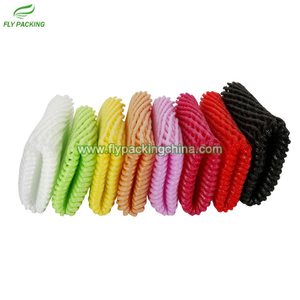
Foam fruit protection sleeves come in a variety of sizes and colors to accommodate different types of produce. Whether you’re protecting delicate peaches or hardy oranges, there’s a foam net to suit every need.
These sleeves aren’t just for fruits. While their primary market is the agricultural industry, foam protective netting is also used to package glass products, ceramics, and other fragile items. This versatility adds a layer of functionality that many businesses find valuable.
Keeping fruits clean and free of contaminants is vital. Foam fruit protection sleeves help keep the outer layer of the fruit clean, ensuring it stays fresh and appealing to the end consumer. The material is also food-safe, providing peace of mind to both retailers and customers.
Fly Packing, a leading supplier, offers customizable protection fruit foam nets to meet a variety of demands. Customers can choose from different sizes, colors, and net thicknesses to ensure a tailored fit for their produce.
When investing in foam sleeves protective netting, reliability is key. Fly Packing has built a reputation for offering high-quality protective solutions that meet the needs of farmers, suppliers, and retailers alike. Here’s what sets them apart:
· High-Quality Materials: Fly Packing uses durable, food-grade PE foam to ensure every net offers superior protection.
· Customizable Options: With a variety of sizes and designs, Fly Packing’s foam nets can cater to all types of produce.
· Affordable Pricing: Their competitive pricing makes it easy for businesses to balance quality and affordability.
· Proven Success: Fly Packing products are trusted by industries worldwide.
Whether you’re looking to protect apples or ensure your mangoes arrive at their destination in perfect condition, Fly Packing has you covered. Their top-notch protection fruit foam nets guarantee your fruits are safe while maximizing their visual appeal.
From orchard to store shelf, protection fruit foam nets are an indispensable tool for keeping fruits safe, fresh, and visually appealing. Their lightweight design, durability, and affordability make them a favorite for farmers, suppliers, and retailers alike. With suppliers like Fly Packing, you can trust that your fruits are in good hands, whether they’re being transported locally or internationally.
If you’re in search of high-quality foam sleeves protective netting, Fly Packing has the perfect solution for you. Protect your produce and boost customer satisfaction by making the switch today.

| | 1/F, NO.81, CHANGZHEN ROAD, SHUIKOU TOWN, KAIPING CITY, GUANGDONG, CHINA |
| | +86-0-136 3183 6942 / +86-0-134 2677 9895 +86-750-2280358 |
| |