Views: 16 Author: Site Editor Publish Time: 2023-04-12 Origin: Site
When it comes to packaging fragile items like fruits, foam nets are a popular choice. These nets are made from polyethylene foam, a lightweight and flexible material that provides cushioning and protection during transport. In this article, we'll explore the benefits and uses of foam nets for fruit packaging.
What are Foam Nets?
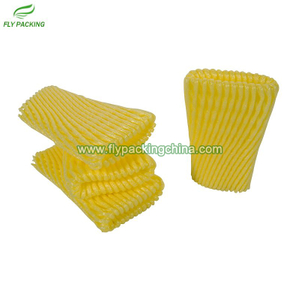
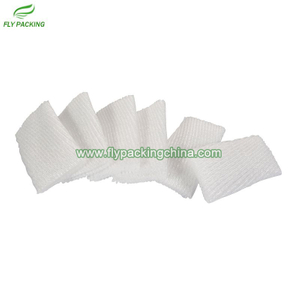
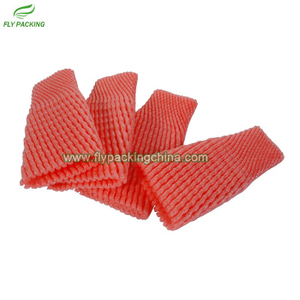
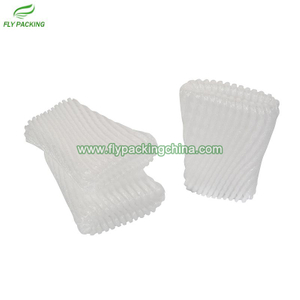
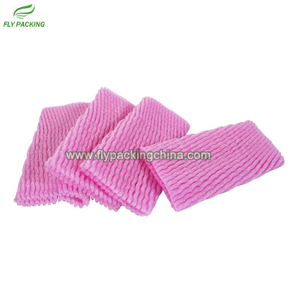
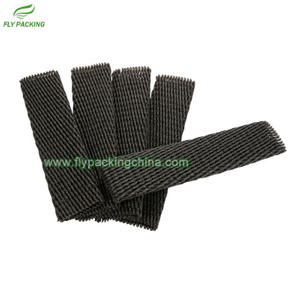
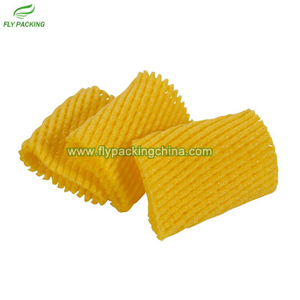
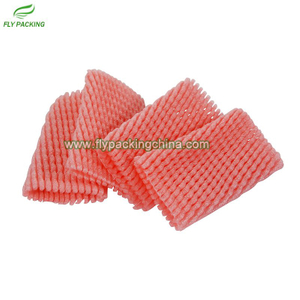
Foam net made from polyethylene foam, which is a type of plastic that's lightweight, flexible, and durable. The foam is cut and shaped into a net-like structure, with individual cells that hold the fruit in place. The netting provides cushioning and protection during transport, helping to prevent bruising or damage to the fruit.
Foam nets can be used for a variety of fruits, including apples, pears, peaches, and more. They can also be used for other delicate items, such as glassware or ceramics.
Benefits of Foam Nets for Fruit Packaging
There are several benefits of using polyethylene foam nets for fruit packaging:
Protection: Foam nets provide cushioning and protection for delicate fruits, helping to prevent bruising or damage during transport.
Lightweight: Polyethylene foam is lightweight, which can help reduce shipping costs.
Environmentally Friendly: Foam nets can be recycled, making them an environmentally friendly option for fruit packaging.
Versatile: Foam nets can be used for a variety of fruits and other delicate items, making them a versatile packaging option.
Cost-Effective: Foam nets are an affordable option for fruit packaging, making them a popular choice for growers and shippers.

Uses of Foam Nets for Fruit Packaging
Foam nets can be used for a variety of fruits and other delicate items. Here are some common uses of foam nets for fruit packaging:
Apples: Foam nets are commonly used for packaging apples, which are a delicate fruit that can bruise easily. The foam fruit net provides cushioning and protection during transport, helping to prevent damage to the fruit.
Pears: Pears are another fruit that can benefit from foam nets. The foam net helps to prevent bruising and keeps the pears in place during transport.
Peaches: Peaches are a delicate fruit that can easily bruise or become damaged during transport. Foam nets provide cushioning and protection, helping to keep the fruit in good condition.
Glassware: Foam nets can also be used for packaging delicate items like glassware. The netting provides cushioning and protection during transport, helping to prevent damage to the glassware.
Ceramics: Ceramic items like pottery or dishes can also benefit from foam nets. The netting provides cushioning and protection during transport, helping to prevent damage to the ceramics.
How to Choose Foam Nets for Fruit Packaging
When choosing foam nets for fruit packaging, there are several factors to consider:
Size: Foam nets come in a variety of sizes, so choose a net that's appropriate for the size of your fruit.
Strength: Consider the strength of the foam net, depending on the weight and fragility of your fruit.
Shape: Foam nets can be shaped to fit different types of fruits, so choose a net that's appropriate for the shape of your fruit.
Quantity: Consider how many foam nets you'll need for your packaging needs.
Recycling: Look for foam nets that are made from recyclable materials, to reduce your environmental impact.
In conclusion, foam nets are a popular and effective packaging option for delicate fruits and other items. They provide cushioning and protection during transport, helping to prevent damage and ensure that your products arrive in good condition.

| | 1/F, NO.81, CHANGZHEN ROAD, SHUIKOU TOWN, KAIPING CITY, GUANGDONG, CHINA |
| | +86-0-136 3183 6942 / +86-0-134 2677 9895 +86-750-2280358 |
| |