Views: 16 Author: Site Editor Publish Time: 2022-08-15 Origin: Site
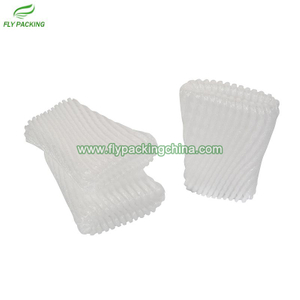
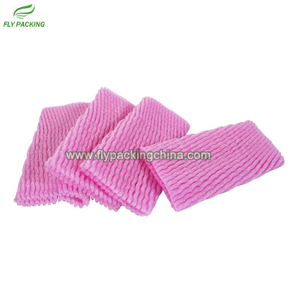
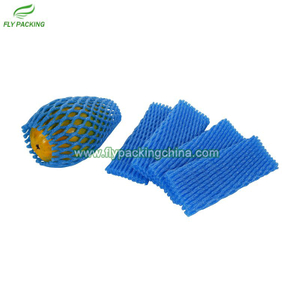
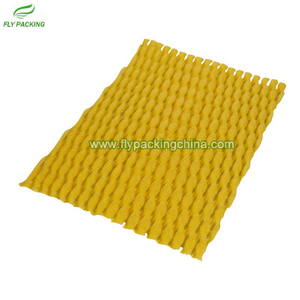
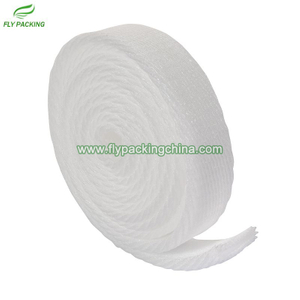
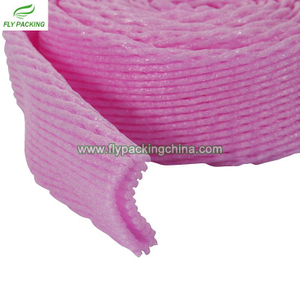
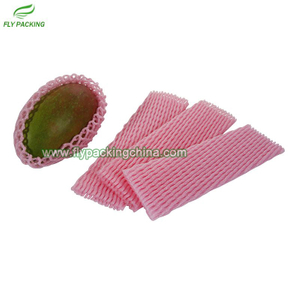
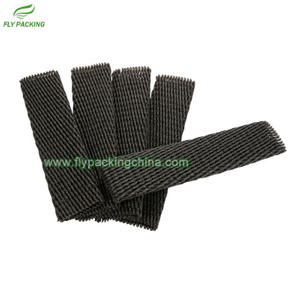
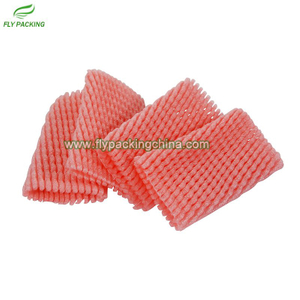
Fruit foam net is an ideal packaging material that is light in weight and possesses a resilient structure. The netting provides additional protection against pests and other types of damage. It is also an environmentally friendly material that is flexible and cost effective. Fruit foam nets are used for packaging of fruits during the growing season, while en route to the supermarket, and in transit. The netting minimizes the pressure of transport layers and extends the preservation time.
Foam fruit nets are manufactured from low-density polyethylene, and are composed of independent bubbles. Compared to styrofoam, they are easy to change sex, are waterproof and maintain heat, and are environmentally friendly. They can also be used for draining soap, thanks to the holes in the material.
Fruit foam netting is made from biodegradable and eco-friendly materials. Corn and bamboo fibers are used to produce foam. They are biodegradable, and do not release toxic gases when transported. The material also has a high level of thermal resistance, and is a good barrier to damage to fruit and vegetables. It is the perfect packaging material for a variety of different products and uses.
What are the benefits of Fruit Protective Packaging? There are several. This packaging protects your fruit from damage while it's being transported, displayed, and even sold. These benefits include improved quality, reduced risk of mold and dehydration, and improved shelf-life. This article will discuss the benefits of Fruit Protective Packaging and what to look for.
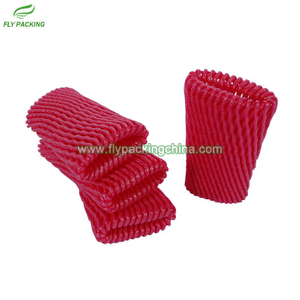
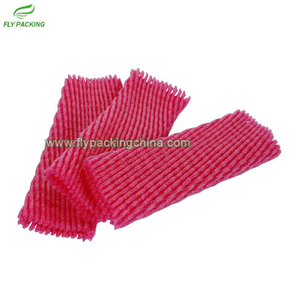
Foam sleeves protect your fruit without adding excess bulk. These sleeve-like packaging materials are often 1/8" thick and are perfect for odd-shaped items. Foam sleeves protect your fruit and vegetables from bruising while also allowing air circulation. While these are just a few of the many benefits of Fruit Protective Packaging, they have many more benefits to offer.
Foam Net Cover - Foam net is a versatile material with a smooth structure and an excellent surface texture. This material is environmentally friendly, flexible, and has an excellent shock resistance. Choosing the right packaging is vital in ensuring a safe and successful sale. For optimal shelf-life, use a produce-friendly container. Depending on the type of produce you are shipping, you may need to consider adding special materials to slow the loss of moisture or heat, or opt for insulated bags.
A soft foam fruit protection net can prevent fruit from breaking and is useful for a variety of purposes. In retail stores, it is used to display and protect fruits during transit. Soft foam covers a wider variety of items, from delicate electronics to fresh produce.
Fruit foam sleeves are excellent protective packaging materials made from low density polyethylene (LDPE) foam. They are soft and durable, making them an excellent choice for a variety of fruits and other fragile items. The foam packs can be easily stored and transported in your refrigerator, freezer, or on a plane.
One of the most interesting designs for a fruit sleeve is the star fruit sleeve, which can be worn on a blouse or dress of any style. Star fruit sleeves are also known as onion bulb sleeves and are easily made without the help of illustrations. The main materials used to make the sleeve are small circles and some fabric. The finished product can be used on almost any type of fabric.


| | 1/F, NO.81, CHANGZHEN ROAD, SHUIKOU TOWN, KAIPING CITY, GUANGDONG, CHINA |
| | +86-0-136 3183 6942 / +86-0-134 2677 9895 +86-750-2280358 |
| |