Views: 21 Author: Site Editor Publish Time: 2025-03-13 Origin: Site
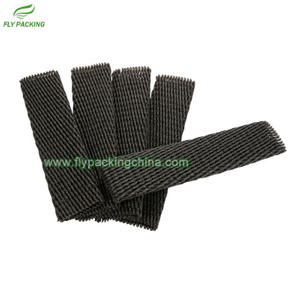
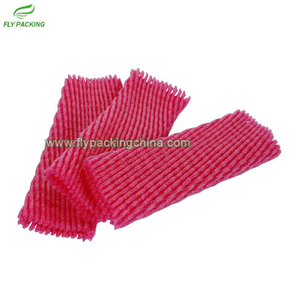
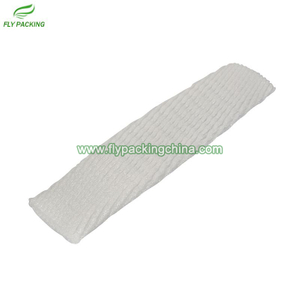
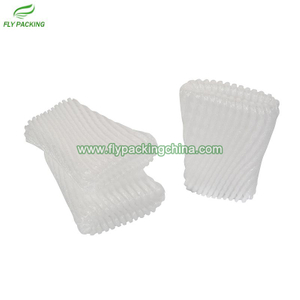
EPE foam nets are an applause-worthy innovation with widespread applications, primarily recognized for their durability, versatility, and ability to protect delicate items. Whether it’s fragile fruits, glass bottles, or electronic items, these foam nets are a dependable solution for businesses and consumers alike. This post will explore the multiple uses of EPE foam nets with a focus on EPE foam fruit nets and foam net sleeves while highlighting why they’re an ideal packaging solution.
If you’ve been curious about EPE foam nets or are looking for sustainable, protective packaging solutions, you’re in the right place.
Before we dig into the specifics, it's important to define what an EPE foam net is. EPE stands for expanded polyethylene. Lightweight yet strong, this material is celebrated for its shock-absorbing properties, resilience, and flexibility. EPE foam nets are crafted by molding polyethylene foam into a net form, making it elastic yet tensile enough to protect items of various shapes and sizes.
This packaging material is widely used to minimize damages, cushion fragile products, and even preserve the quality of perishable items during storage or transit.
· Durable and lightweight
· Shock absorption for fragility prevention
· Recyclable & reusable
· Flexible sizing options
· Affordable and cost-effective
Their application transcends industries—from agricultural packaging to glassware and beyond. Now, let's take a closer look at their more specific uses.
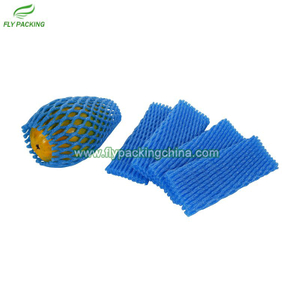
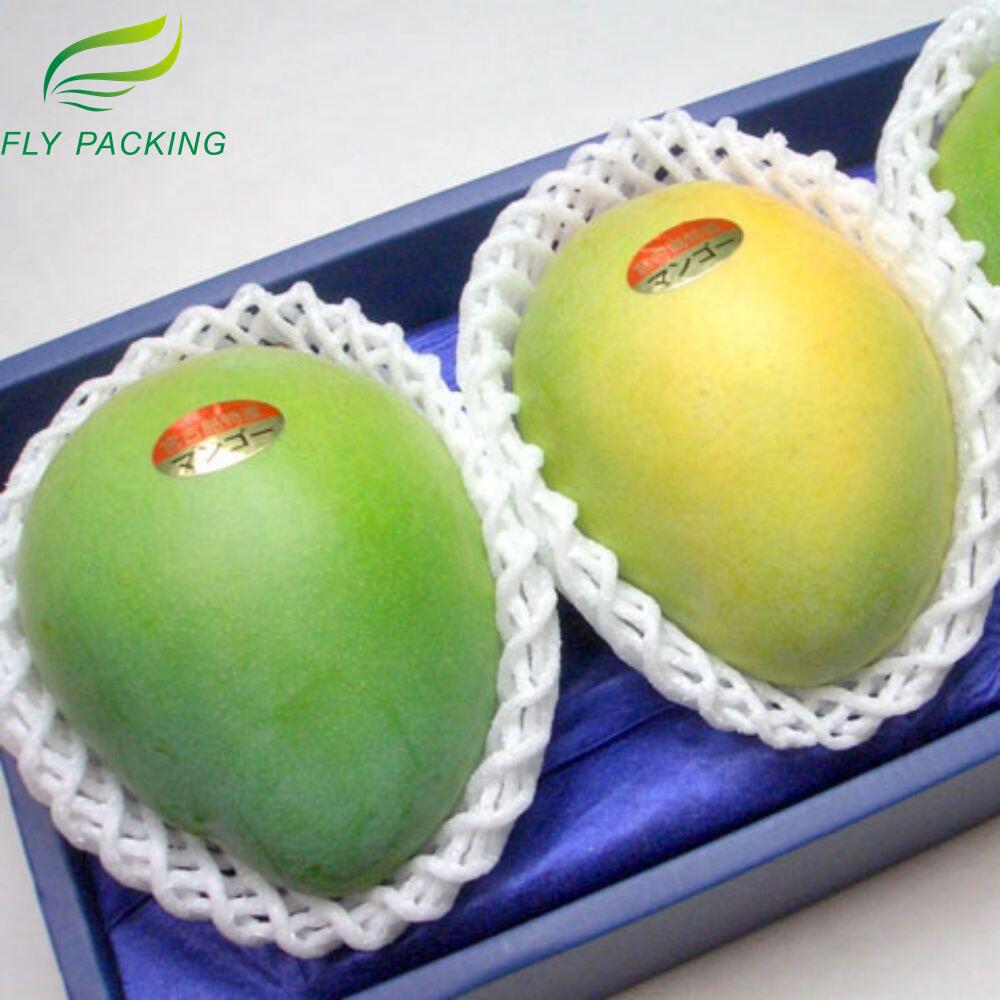
EPE foam fruit nets are a popular choice for protecting delicate fruits during shipping and handling. Imagine buying fresh mangos, apples, or pears wrapped snugly in thin yet sturdy foam nets—they're not just aesthetic. These nets serve a very crucial purpose.
1. Protection for Delicate Produce
Fruits are prone to bruising or crushing, especially during transport. EPE foam fruit net provide the cushioning needed to prevent damage. Their elasticity hugs fruits gently but securely.
1. Ventilation and Freshness
The net-like structure ensures proper airflow around the fruit, maintaining its freshness for longer durations. Unlike plastic wrap, these nets don’t cause condensation that may spoil the product.
1. Eco-Friendly Packaging
Many EPE foam nets can be reused and recycled, making them a more sustainable solution than non-recyclable alternatives like some plastics.
1. Aesthetics
Foam fruit nets also enhance the presentation of produce in retail settings. Whether displayed in grocery stores or farmers' markets, fruits wrapped in EPE foam nets look cleaner and more appealing to customers.
· Apples
· Pears
· Guavas
· Peaches
· Pomegranates
For farmers, fruit exporters, and retailers, investing in EPE foam fruit nets is a small cost compared to the benefits of delivering a damage-free product.
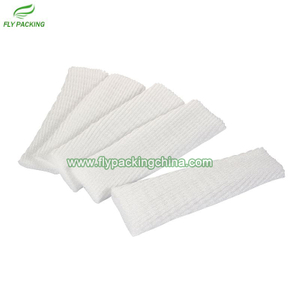
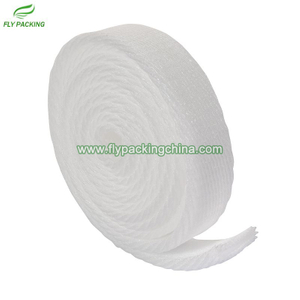
The demand for foam net sleeves has grown significantly in recent years due to their ability to protect fragile and oddly shaped items. From glassware to ceramics and even certain industrial parts, foam net sleeve provide unparalleled protection.
1. Impact Resistance
The cushioning nature of EPE foam sleeves is ideal for absorbing shocks and reducing the risk of cracks or chipping for fragile products.
1. Versatility
The elastic structure of foam net sleeves allows them to adjust easily to the size and shape of the protected item. This flexibility makes them perfect for packaging items of irregular dimensions.
1. Cost-Effective
Compared to traditional protective materials such as bubble wrap or molded plastic cases, foam net sleeves are considerably more economical, without compromising on protection.
1. Water Resistance
Foam net sleeves do not absorb moisture, making them ideal for items exposed to humid conditions.
· Glass bottles
· Ceramic or porcelain items
· Industrial machine parts
· Cans or jars in transit
Additionally, they are highly customizable in terms of size and thickness, ensuring that users can tailor their packaging needs.
If you’re still debating whether or not EPE foam nets are worth investing in for your packaging needs, here are some additional advantages that back their position as a must-have:
· Shock Protection – The foam absorbs impact energy, minimizing damage to your products.
· Cost Savings – Reusable foam nets will lower your packaging costs in the long term.
· Eco-Conscious Choice – Recyclable materials appeal to environmentally conscious consumers.
· Broad Application Versatility – From retail to manufacturing, these nets adapt to varying industries and needs.
They’re not only designed to protect—they also symbolize modern, responsible packaging.
Whether you’re shipping fresh fruits, delicate glass products, or industrial components, EPE foam nets are a flexible yet sturdy solution. From improving product safety to enhancing presentation, these nets prove their worth every single time.
By using EPE foam fruit nets or foam net sleeves, you're not only ensuring that your products arrive safely but also contributing to sustainable packaging choices. Choose durability. Choose value. Choose sustainability.
Are you ready to incorporate EPE foam nets into your packaging strategy? Share your thoughts below or connect with one of our specialists to determine the perfect fit for your needs.

| | 1/F, NO.81, CHANGZHEN ROAD, SHUIKOU TOWN, KAIPING CITY, GUANGDONG, CHINA |
| | +86-0-136 3183 6942 / +86-0-134 2677 9895 +86-750-2280358 |
| |