
Every piece of fruit that leaves a farm faces a journey it was never built for. Trucks jolt over uneven roads, pallets shift inside shipping containers, and temperature swings stress delicate skins long before a mango or a bottle of wine reaches a store shelf. A single bruise, crack, or scuff can tu

Fresh produce travels a long road before it reaches a grocery shelf or a dinner table. Along the way, bruising, compression, and surface scratches can turn a perfectly ripe piece of fruit into something no shopper wants to pick up. For growers, packers, and exporters, the margin between a saleable c

Fresh produce travels thousands of miles before it reaches a dinner table, and every mile adds risk. A single bruise on a mango or a hairline crack in a wine bottle can turn a profitable shipment into a loss. Packers, exporters, and growers have spent decades looking for materials that absorb shock

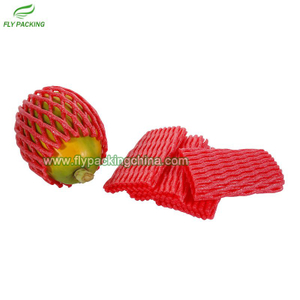
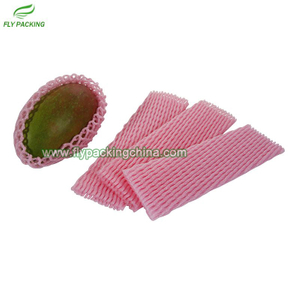
Mangoes are among the most bruise-prone fruits moved through global supply chains. Their thin skin and soft flesh mean even a light knock during loading or transport can leave a mark that shows up days later at the retail shelf. For growers and exporters, that kind of damage translates directly into

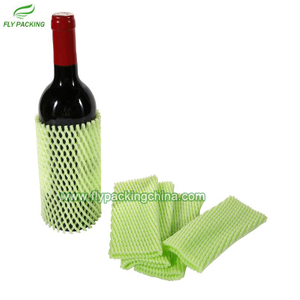
Bottles break for one simple reason: they move when they shouldn't. A wine bottle knocking against a crate wall, a glass jar rubbing its neighbor, a shipment jostled by hours of highway vibration—these small motions compound into cracks, scratches, and shattered stock by the time a package reaches i

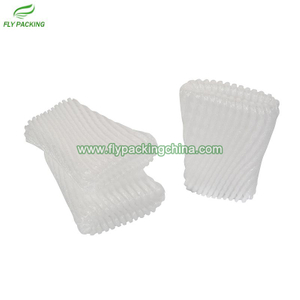
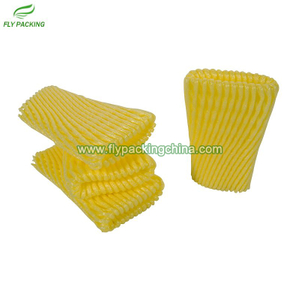
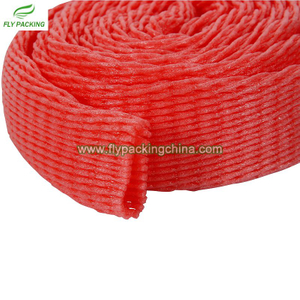
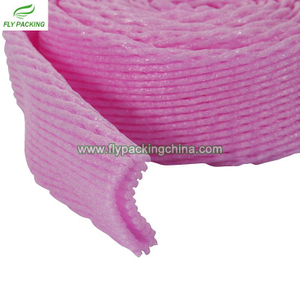
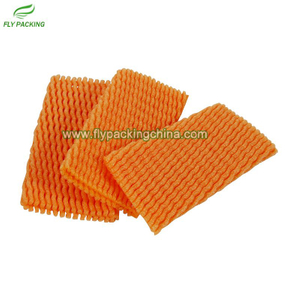
Foam nets protect fresh produce from bruising, scratching, and impact damage during transit. Single-layer options suit lighter fruits, while double-layer designs add extra cushioning for heavier or more delicate produce. Sourcing from a specialized manufacturer ensures consistent quality, reliable s

Long-distance freight puts constant pressure on delicate cargo. Vibration, stacking loads, and shifting weight cause most damage—not dramatic accidents, but slow, grinding contact over hundreds of miles. For growers, packers, and exporters, that damage eats directly into profit margins.Foam mesh sle

Bottles break for one simple reason: they move when they shouldn't. A wine bottle knocking against a crate wall, a glass jar rubbing its neighbor, a perfume flacon vibrating loose during a long haul—these small motions add up to cracks, scratches, and shattered goods by the time a package arrives.Fo
Views: 26 Author: Site Editor Publish Time: 2022-12-01 Origin: Site
Whether you are shipping your products or storing them, foam fruit net is a great way to protect them. Besides, it is cost-effective. In addition, this material allows you to customize your packaging and marketing strategy. This is because it is made from a material that is non-toxic.
This material also has exceptional heat-preservation properties. It prevents your fruits from getting damaged during transit. It also has excellent cushioning and anti-collision properties. In addition, it can also be used as an insulation pad. With proper care, it can be reused. This is why foam netting for fruit is a growing trend in commercial packaging.
As a result, it makes it easier to ship fruits. This is especially true if you are shipping your fruits from one location to another. It can also be used for fruits in the growing season. It is also helpful in preserving your fruits for a long period of time. It can also be used to protect fruits in supermarket display. This will make them look beautiful and will also help to minimize the pressure of the transport layer.
The foam material used for fruit netting also has high thermal resistance and low toxicity level. This is due to its use of non-toxic, renewable resources.
Using the right protective packaging is key to ensuring that your fruits and vegetables remain fresh. The latest technology in fruit protective packaging provides an environmentally-friendly, cost-effective solution to the problem. Using foam fruit netting is a great way to protect your produce from damage and extend the shelf life of your fruit and vegetables.
There are many types of protective packaging available today, including foam fruit netting, cellophane, wax cascade packaging, and plastic liners. There are even several custom-printed solutions available.
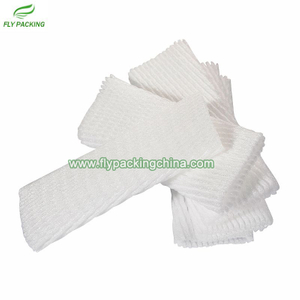
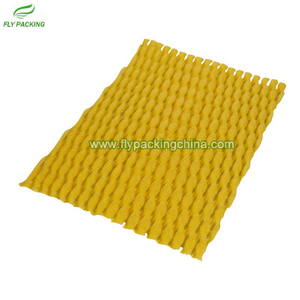
Foam netting is a relatively new type of protective packaging. It is a highly versatile material that provides cushioning properties without bulk. It also allows for a cost-effective distribution network. It is made of industrial grade ultra-fine talc powder and is extruded at high temperature.
The best part is, foam netting is recyclable. It's an environmentally friendly alternative to plastic containers, wax cascade packaging, and other environmentally-unfriendly methods of storing fresh produce. Foam fruit netting is a great way for your business to promote your brand, while at the same time protecting your fruits and vegetables from damage and spoilage.
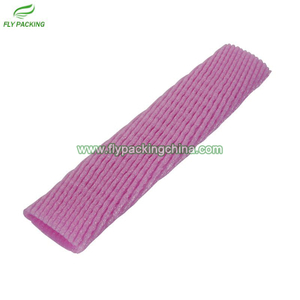
Foam netting is an essential ingredient in packing fruit. The netting octave - a polyethylene foam net is an effective way to protect fresh produce from bruising and spotting. Its unique expandable mesh structure provides a cushioning effect without a bulky shape.
In addition to foam netting, the best protective packaging material for fresh fruit and vegetables is a combination of cellophane and plastic liners. These materials have many applications and are also highly flexible during processing. These materials are also highly resistant to low temperatures, which makes them a perfect choice for primary packaging of dehydrated fruits and vegetables.
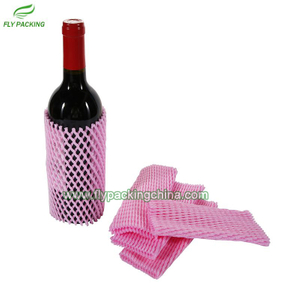
Keeping a bottle of wine in a soft foam fruit protection net is a good idea, especially if you're on the road. This is especially true if you're a wine connoisseur and want to protect your bottle of red from bumps and bruises. The best part is you can do this with a little creativity.
For this particular task, you'll need the proper tool. Fortunately, we have the perfect solution in the form of a fancy plastic protective sleeve net. Not only are they a breeze to assemble, they're a breeze to clean up once you're done. We also offer a plethora of colors to boot. The most common are red, but you can get them in black, navy, or even a smattering of yellow, green, and purple if that's more your thing.
Generally speaking, the fruit sleeve automatic separation device is a high-efficient equipment which can separate the foam sleeve from apples. The device uses a combination of hardware and software to realize the separation. The main features of the device are: i. The separation speed of one fruit sleeve is less than 7 seconds. ii. The separation success rate is up to 88%. iii. The time statistic of the device is as follows:
The fruit sleeve automatic separation device uses a software system to realize the localization of the foam sleeve. During the separation, the device uses sensors to detect changes in the external environment. It then feeds environmental information to the main controller. In addition, the fruit sleeve is identified using machine vision algorithm.

| | 1/F, NO.81, CHANGZHEN ROAD, SHUIKOU TOWN, KAIPING CITY, GUANGDONG, CHINA |
| | +86-0-136 3183 6942 / +86-0-134 2677 9895 +86-750-2280358 |
| |