Views: 15 Author: Site Editor Publish Time: 2023-08-16 Origin: Site
In the vast landscape of modern packaging solutions, one innovative contender has gained significant attention for its versatility, sustainability, and ingenuity - the foam net. Specifically, the polyethylene foam fruit net has emerged as a breakthrough packaging material that not only safeguards delicate produce but also makes a positive contribution to reducing environmental impact. In this article, we will delve into the fascinating world of foam nets, with a focus on foam fruit nets made from polyethylene. We will explore their origin, attributes, benefits, and the role they play in revolutionizing the way we package and transport fresh produce.
A Pioneering Solution: The Birth of Foam Nets
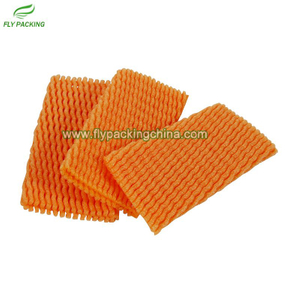
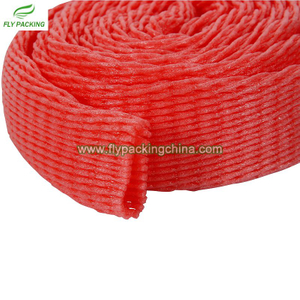
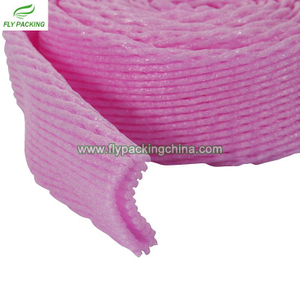
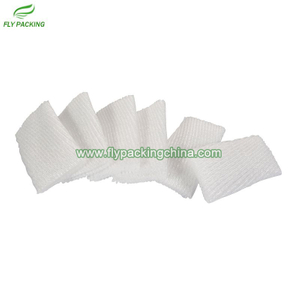
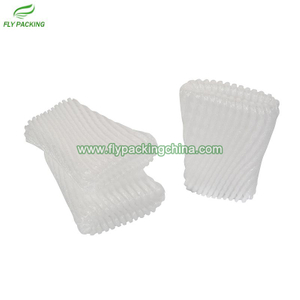
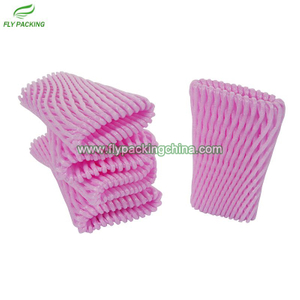
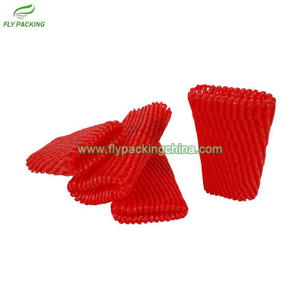
Foam net, also known as foam fruit nets or polyethylene foam nets, have their roots in the evolving landscape of packaging materials. Born out of a need to protect fragile fruits during transportation, foam nets have evolved from basic protective wraps to sophisticated, environmentally-conscious packaging solutions. The shift towards foam nets was driven by the desire to address both functional and ecological challenges, and it has ushered in a new era of sustainable packaging.
Attributes that Define Excellence: The Anatomy of Foam Fruit Nets
Foam fruit nets are meticulously designed to serve multiple purposes, with each aspect contributing to their efficiency and effectiveness. Here are some key attributes that define the excellence of foam fruit nets:
Cushioning Protection: The primary function of foam fruit net is to cushion delicate fruits, safeguarding them against impact and preventing bruising or damage during transportation.
Air Circulation: The net-like structure of foam fruit nets allows for adequate air circulation, reducing the risk of moisture accumulation and mold growth, which is particularly important for perishable goods.
Customizable Sizes and Shapes: Foam nets are available in various sizes and shapes, enabling them to accommodate a wide range of fruits, from apples and peaches to avocados and kiwis.
Eco-Friendly Materials: Many foam fruit nets, especially those made from polyethylene, are crafted from environmentally-friendly materials that are recyclable and pose minimal harm to the ecosystem.
Easy Handling: The user-friendly design of foam fruit nets simplifies the packing and unpacking process, facilitating efficient handling for both producers and consumers.
Sustainability in Action: The Green Credentials of Polyethylene Foam Nets
In an era marked by heightened environmental awareness, the choice of packaging materials holds significant weight. Foam fruit nets made from polyethylene have earned acclaim for their sustainable features and contributions to reducing plastic waste. Unlike traditional single-use plastics, polyethylene foam nets can often be recycled, repurposed, or upcycled, helping to divert plastic waste from landfills and oceans.

Furthermore, the production of polyethylene foam nets involves fewer resources compared to other plastic manufacturing processes, making it a more energy-efficient option. This commitment to sustainability aligns with global efforts to combat plastic pollution and create a more eco-friendly packaging landscape.
Preserving Freshness: The Culinary and Nutritional Benefits of Foam Nets
The culinary world places a premium on freshness, and foam fruit nets play an important role in maintaining the quality of produce from farm to table. The air circulation facilitated by foam nets helps prevent condensation, which can lead to the growth of bacteria and compromise the flavor and texture of fruits. By maintaining an optimal environment for fruits, foam nets contribute to preserving their nutritional value, taste, and visual appeal.
Aiding Food Distribution: Foam Nets as Tools for Agricultural Sustainability
In the realm of agriculture, foam nets play a pivotal role in supporting sustainable practices. These nets enable farmers to transport their harvest with reduced risks of spoilage, minimizing financial losses and ensuring that more produce reaches consumers in optimal condition. This not only enhances economic viability for farmers but also helps in reducing food waste and contributing to a more sustainable food distribution system.
Innovative Solutions for a Changing World
The evolving landscape of foam nets underscores the importance of innovation in addressing contemporary challenges. As consumer preferences shift towards environmentally-friendly options, the adoption of polyethylene foam nets is a testament to the ability of industries to adapt and develop solutions that align with societal and ecological values.
Embracing a Brighter Future: The Promise of Foam Nets
Foam nets, particularly those crafted from polyethylene, offer a glimpse into a future where functionality, sustainability, and innovation coexist harmoniously. Their role in preserving delicate produce, reducing plastic waste, and contributing to sustainable agricultural practices positions them as a symbol of progress in packaging technology.
As the demand for environmentally-conscious choices continues to grow, foam fruit nets are poised to be a leading contender in the realm of sustainable packaging. Their ability to protect, preserve, and promote sustainable agricultural practices reflects a commitment to creating a more resilient and responsible global supply chain. In embracing foam nets as an integral part of our packaging infrastructure, we not only safeguard our produce but also contribute to a greener and more sustainable world.

| | 1/F, NO.81, CHANGZHEN ROAD, SHUIKOU TOWN, KAIPING CITY, GUANGDONG, CHINA |
| | +86-0-136 3183 6942 / +86-0-134 2677 9895 +86-750-2280358 |
| |