
A single bruised apple can compromise an entire box. During shipping, apples are exposed to vibration, pressure, and friction—forces that cause surface damage long before the fruit reaches a retailer or consumer. The result is a costly chain of spoilage that growers, packers, and exporters deal with

Fresh fruit is vulnerable. A single bump in transit—a shift in the crate, pressure from adjacent boxes, or vibration on a long-haul truck—can bruise produce before it ever reaches the shelf. That bruising costs growers, packers, and exporters real money. Backer rod has emerged as a practical solutio

Foam netting has quietly become one of the most practical packaging materials in global supply chains. Growers, packers, exporters, and logistics companies rely on it daily—yet it rarely gets the attention it deserves. A bruised mango or a cracked bottle of wine might seem like a minor inconvenience

Fresh produce takes a beating on the way to market. A bump in a crate, a long haul over rough roads, or one tight squeeze can leave bruises that turn sellable fruit into waste. For growers, packers, and distributors, that loss eats straight into profits.Foam-based protective packaging gives you a si

Fresh fruit is delicate. A single drop, a tight squeeze in a crate, or a long ride over rough roads can leave bruises that turn good produce into waste. For growers, packers, and distributors, that damage adds up fast. Foam net offers a simple, affordable answer—a lightweight foam sleeve that hugs e

When construction professionals apply sealants to joints or cracks, they rarely fill the entire void with caulking material. Filling deep gaps entirely with sealant wastes expensive materials and causes the joint to fail under pressure. Builders solve this problem by inserting a cylindrical piece of

Every year, businesses lose significant revenue due to damaged shipments. Delicate items like glass bottles are particularly prone to shattering during transit. A single broken bottle can ruin an entire case, leading to lost revenue, replacement costs, and disappointed customers.To prevent these los

Every year, businesses lose massive amounts of revenue due to damaged shipments. Fruits easily suffer from bumps and bruises during transit, while delicate items like glass bottles and ceramics are prone to shattering. This transit damage represents a severe drain on profits for growers, distributor
Views: 16 Author: Site Editor Publish Time: 2023-08-01 Origin: Site
In the world of agriculture and fresh produce, ensuring the safety and quality of fruits is paramount. Soft foam fruit protection nets, also known as fruit sleeves or foam fruit nets, have emerged as a reliable solution to safeguard nature's bounty. These innovative nets provide a protective layer around individual fruits, shielding them from damage, pests, and external influences. In this article, we delve into the benefits and uses of soft foam fruit protection nets, exploring their role in preserving the freshness and integrity of our beloved fruits.
1. What is a Soft Foam Fruit Protection Net?
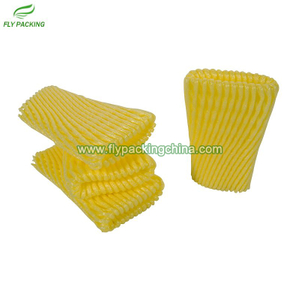
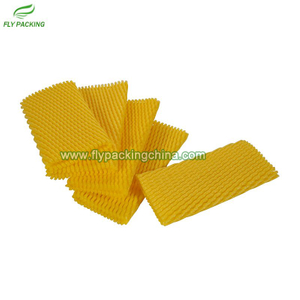
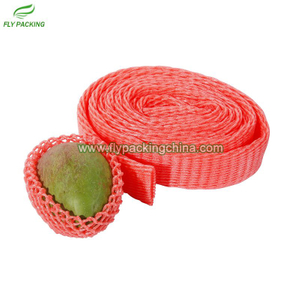
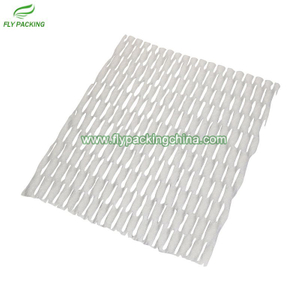
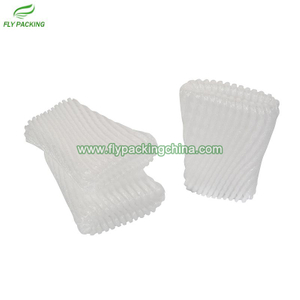
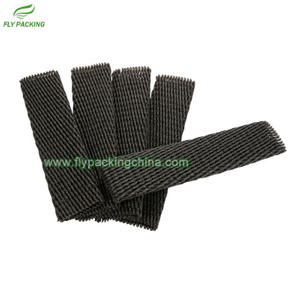
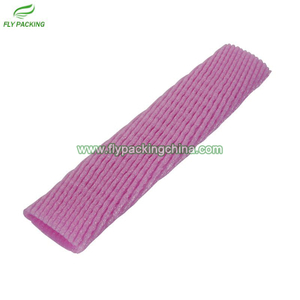
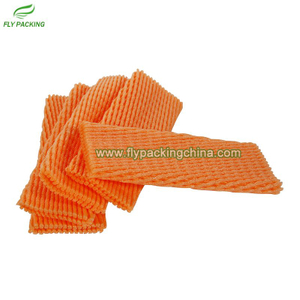
A soft foam fruit protection net is a lightweight, flexible, and porous netting made from soft foam materials. These nets are designed to envelop individual fruits, creating a protective layer that shields them from potential harm.
2. The Advantages of Soft Foam Fruit Protection Nets
2.1. Physical Protection
One of the primary benefits of using fruit foam net is their ability to provide physical protection to fruits during their growth and transportation. The foam acts as a cushion, safeguarding the fruits from impacts, abrasions, and bruising.
2.2. Pest and Insect Resistance
Fruit sleeves act as a barrier against pests and insects, preventing them from coming into direct contact with the fruits. This helps reduce the risk of infestations and disease transmission, ensuring healthier and safer fruits.
2.3. Temperature Regulation
Soft foam fruit protection nets can also contribute to maintaining stable temperature levels around the fruits. By acting as an insulating layer, they help protect fruits from extreme heat or cold, preserving their quality during transportation and storage.
2.4. Moisture Retention
The porous nature of foam fruit nets allows for adequate ventilation while retaining essential moisture around the fruits. This helps prevent dehydration and maintains optimal fruit freshness.
2.5. Eco-Friendly and Recyclable
Most soft foam fruit protection nets are made from eco-friendly materials that are biodegradable and recyclable. This makes them a sustainable choice, aligning with environmental conservation efforts.
3. Versatile Uses of Soft Foam Fruit Protection Nets
3.1. Orchard Farming
In orchards and fruit farms, fruit foam nets are widely used to protect fruits from damage caused by hailstorms, wind, and pests. They are often slipped over individual fruits during their development stages, allowing the fruits to grow and ripen safely.
3.2. Post-Harvest Packaging
After harvesting, soft foam fruit protection nets play a crucial role in packaging and transportation. They help prevent bruising and spoilage during transit, ensuring that the fruits reach consumers in pristine condition.
3.3. Retail Display and Consumer Protection
At grocery stores and fruit markets, foam fruit sleeve is used to enhance the visual appeal of fruits on display. Additionally, they provide a hygienic barrier between customers and the fruits, promoting a sense of trust and assurance in the quality of the produce.
4. Choosing the Right Fruit Foam Net
4.1. Size and Shape
Select fruit foam nets that are suitable for the specific fruits you wish to protect. Ensure they have the appropriate dimensions and shape to fully cover the fruits without constricting their growth.
4.2. Quality of Materials
Choose soft foam fruit protection nets made from high-quality materials that are free from harmful chemicals and additives. Look for eco-friendly and biodegradable options to align with sustainable practices.
4.3. Easy Application and Removal
Opt for fruit sleeves that are easy to apply and remove. A well-designed net should be user-friendly and not cause any damage to the fruits during installation or removal.
5. Proper Disposal and Recycling
To maintain environmental responsibility, it is essential to dispose of used fruit foam nets properly. If the nets are made from biodegradable materials, they can be composted or discarded in biodegradable waste bins. For recyclable options, ensure they are properly separated and recycled in accordance with local recycling guidelines.
6. Conclusion
Soft foam fruit protection nets play a vital role in preserving the quality, safety, and freshness of fruits. Their physical protection, pest resistance, and temperature regulation properties contribute to healthier and more appealing fruits for consumers. As an eco-friendly and recyclable solution, these foam fruit sleeves align with sustainable practices in the agricultural and food industries. By embracing soft foam fruit protection nets, we not only safeguard nature's bounty but also promote a greener and more sustainable future for our planet.

| | 1/F, NO.81, CHANGZHEN ROAD, SHUIKOU TOWN, KAIPING CITY, GUANGDONG, CHINA |
| | +86-0-136 3183 6942 / +86-0-134 2677 9895 +86-750-2280358 |
| |